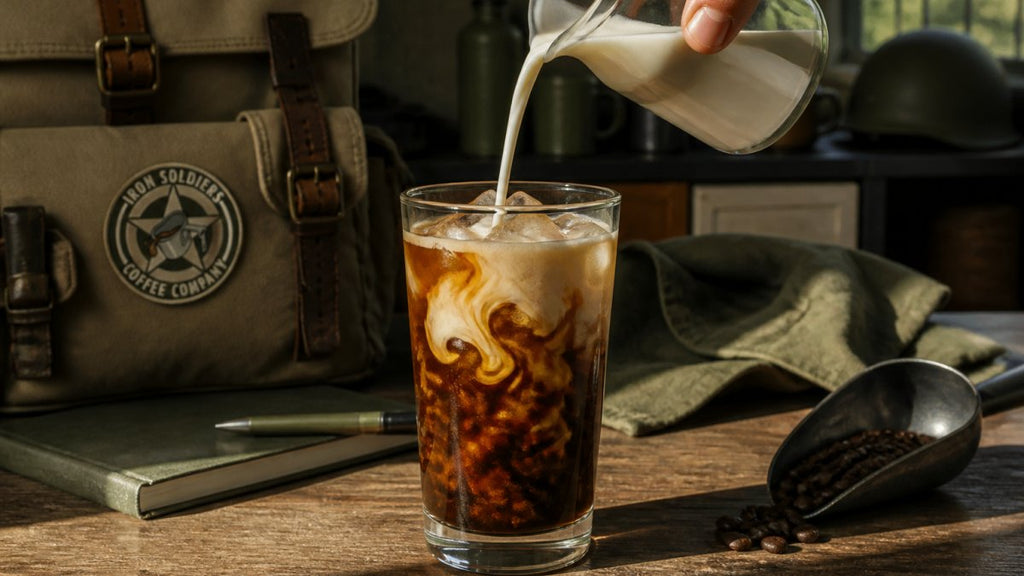
How to Make Iced Coffee at Home Without Special Equipment
Table of Contents
- What You'll Need for Iced Coffee at Home
- How to Make Iced Coffee at Home: Step-by-Step
- How to Brew Strong Coffee for Iced Drinks
- How to Make Cold Brew Concentrate at Home
- The Best Coffee Bean Roast for Iced Coffee
- Common Mistakes to Avoid with Iced Coffee at Home
- Conclusion
- Frequently Asked Questions
Last Updated: September 29, 2026
What You'll Need for Iced Coffee at Home
You don't need a fancy drip tower or a pricey grinder to make a great glass of iced coffee. Two things matter most: strong coffee and cold ice.
- Coffee grounds or instant coffee (medium-coarse grind works best)
- Cold, filtered water
- A mason jar with a lid or any sealable container
- A mesh strainer or paper filter
- Ice cubes (make them from coffee for a stronger result)
- A spoon for stirring
- Sweetener and milk, if you take it that way
How to Make Iced Coffee at Home: Step-by-Step
Making iced coffee at home takes about 10 minutes of active work, plus steeping time. Here are two field-tested methods, neither needing equipment beyond what's already in your kitchen.
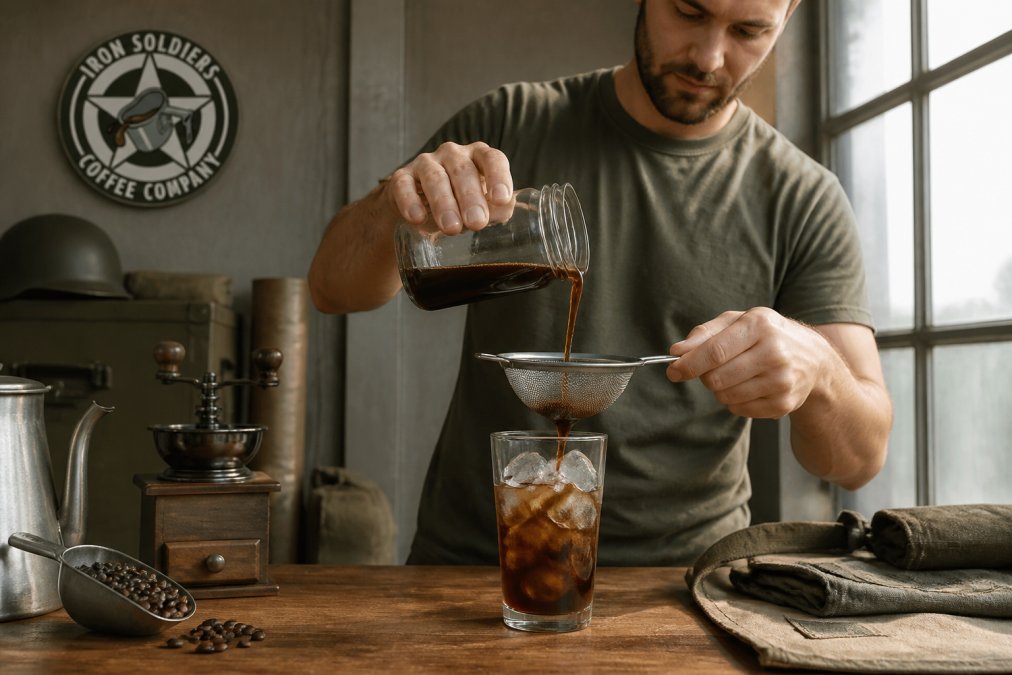
Method 1: The Mason Jar Shake
This is the fastest route to a decent glass of iced coffee. It works best with medium-coarse grounds.
- Add 1/2 cup of coarse coffee grounds to a quart mason jar.
- Pour in 2 cups of cold water.
- Screw the lid on tight and shake for 30 seconds.
- Let it sit at room temperature for 8 to 12 hours, or overnight in the fridge.
- Shake again, then strain through a mesh strainer lined with a paper filter.
- Pour the concentrate over ice and dilute to taste.
Method 2: The Pour-Over Filter
A pour-over filter method uses hot water and gives you coffee you can chill fast. It's closer to traditional brewing.
- Line a mesh strainer or funnel with a paper filter.
- Add 2 tablespoons of medium-ground coffee.
- Heat water to just below boiling, around 200°F.
- Pour water over the grounds in slow circles. Use about 1 cup total.
- Let it drip through completely.
- Pour the hot coffee directly over a tall glass packed with ice.
How to Brew Strong Coffee for Iced Drinks
Iced coffee needs a stronger brew than hot coffee. Ice dilutes the drink as it melts, so start with more punch: more grounds, less water. Brew at normal strength and pour over a full glass of ice, and ten minutes later you're drinking brown water.
To brew strong coffee for iced drinks:
- Increase your coffee-to-water ratio. Use 1 part coffee to 4 parts water for a concentrate.
- Grind coarser for cold methods. Fine grounds clog filters and turn bitter.
- Extend steeping time. Cold water extracts slowly. Give it 12 hours, not 4.
- Freeze coffee into ice cubes. This is the single best trick for avoiding dilution.
- Chill your brewed coffee before pouring. Room-temperature coffee melts ice faster than cold coffee.
Pro Tip
Freeze leftover coffee in ice cube trays every time you brew. You'll never water down a glass of iced coffee again, and you're using coffee that would otherwise go down the drain.
How to Make Cold Brew Concentrate at Home
Cold brew concentrate is the strongest, smoothest base for iced coffee, made by steeping coarse grounds in cold water for 12 to 24 hours. The long, cold steep pulls out flavor without the acidity and bitterness hot water brings.
To make cold brew concentrate:
- Combine 1 cup of coarse coffee grounds with 4 cups of cold water in a large jar.
- Stir gently to make sure all grounds are wet.
- Cover and let sit at room temperature for 12 to 18 hours.
- Strain through a mesh strainer, then again through a paper filter.
- Store the concentrate in a sealed jar in the fridge.
Watch Out
Don't skip the second strain through a paper filter. Mesh alone leaves fine silt that settles at the bottom of your glass and turns gritty. The extra two minutes are worth it.
The Best Coffee Bean Roast for Iced Coffee
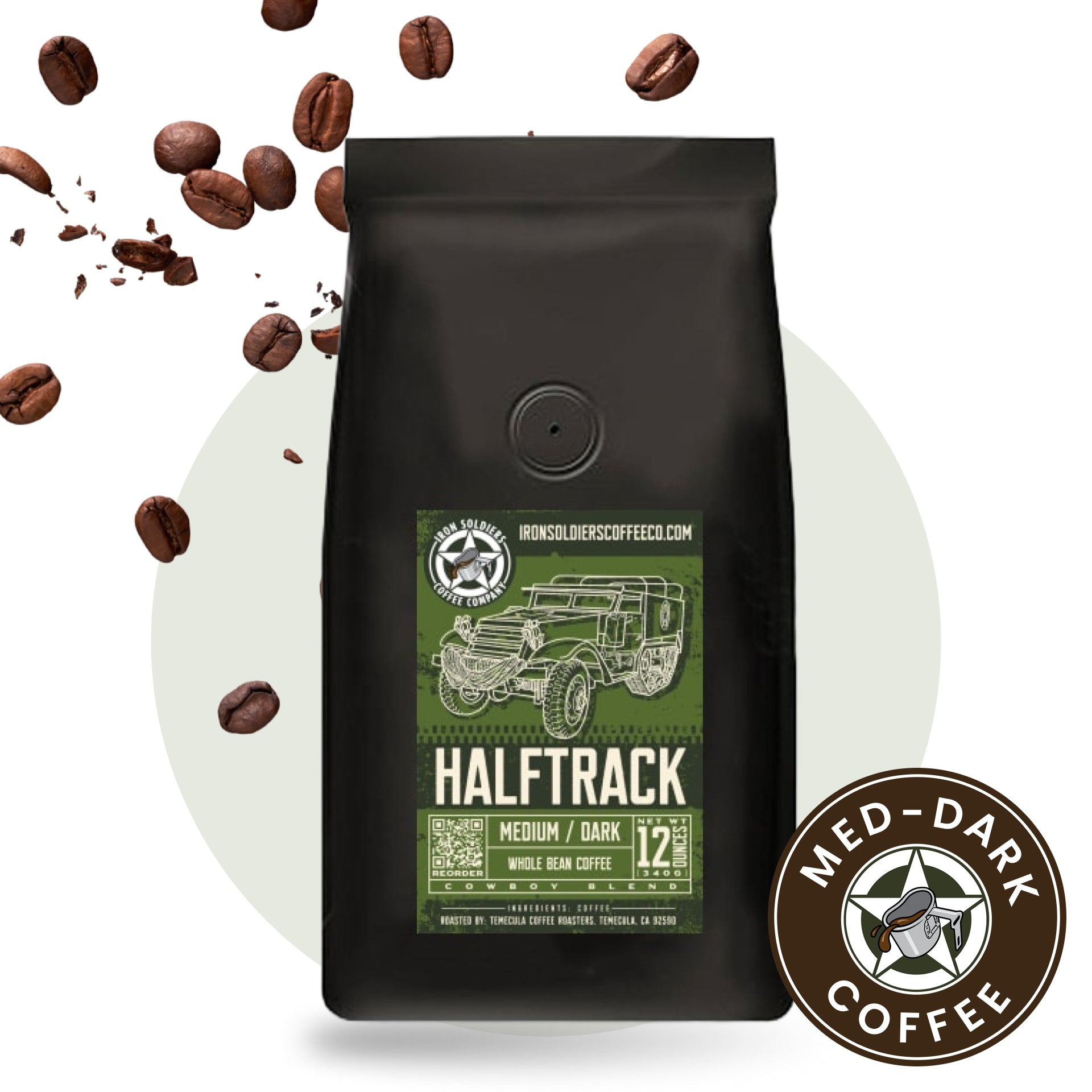
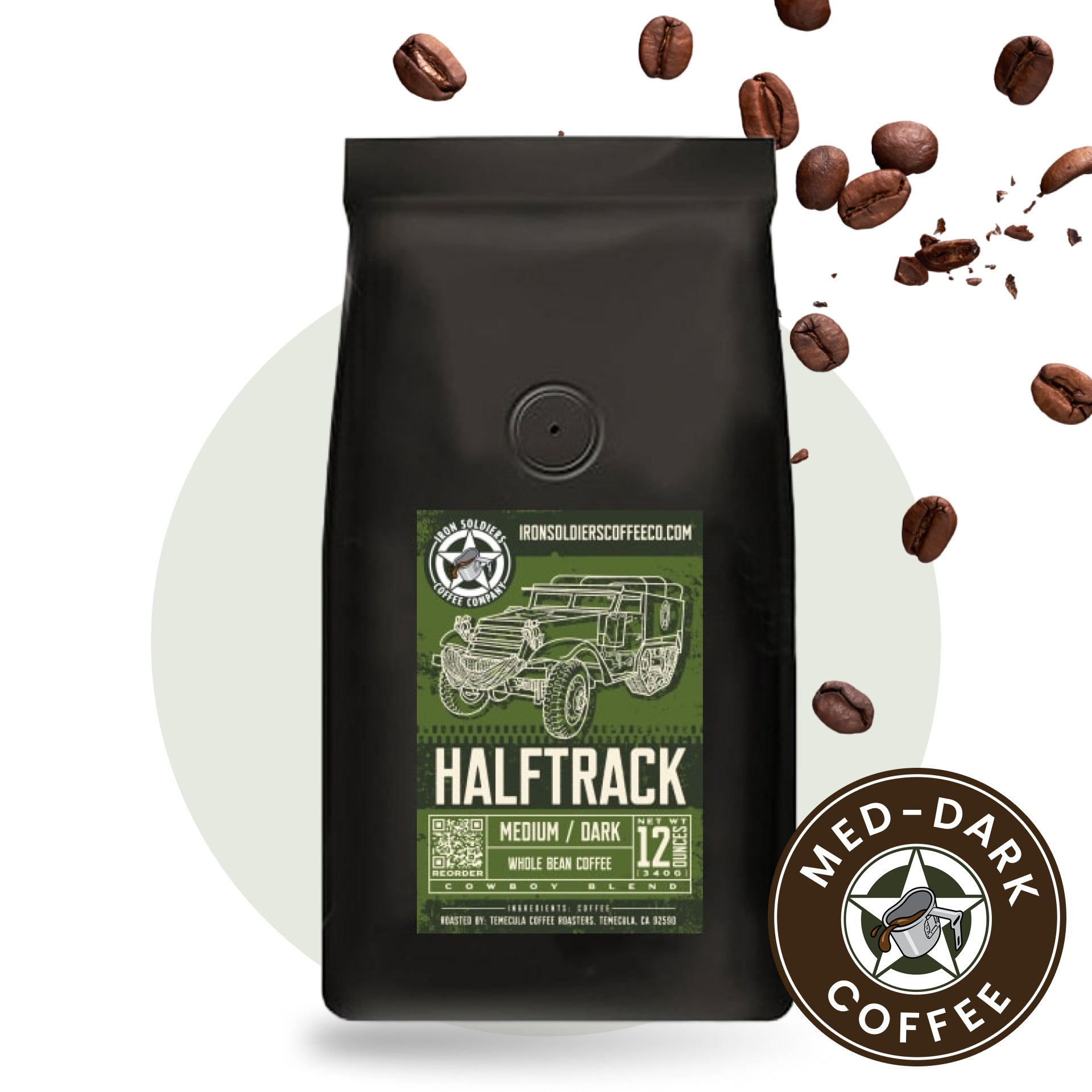
Medium and medium-dark roasts work best for iced coffee, they hold up to ice and milk without losing character. Dark roasts bring bold, smoky notes that cut through dilution; light roasts can taste thin once chilled. Here's how they stack up:
| Roast Level | Flavor Profile | Best For | Watch Out For |
|---|---|---|---|
| Light | Bright, fruity, acidic | Pour-over iced coffee | Tastes weak over ice |
| Medium | Balanced, sweet, nutty | Mason jar shake, cold brew | Nothing major |
| Medium-Dark | Bold, chocolatey, rich | Cold brew concentrate | Can turn bitter if over-steeped |
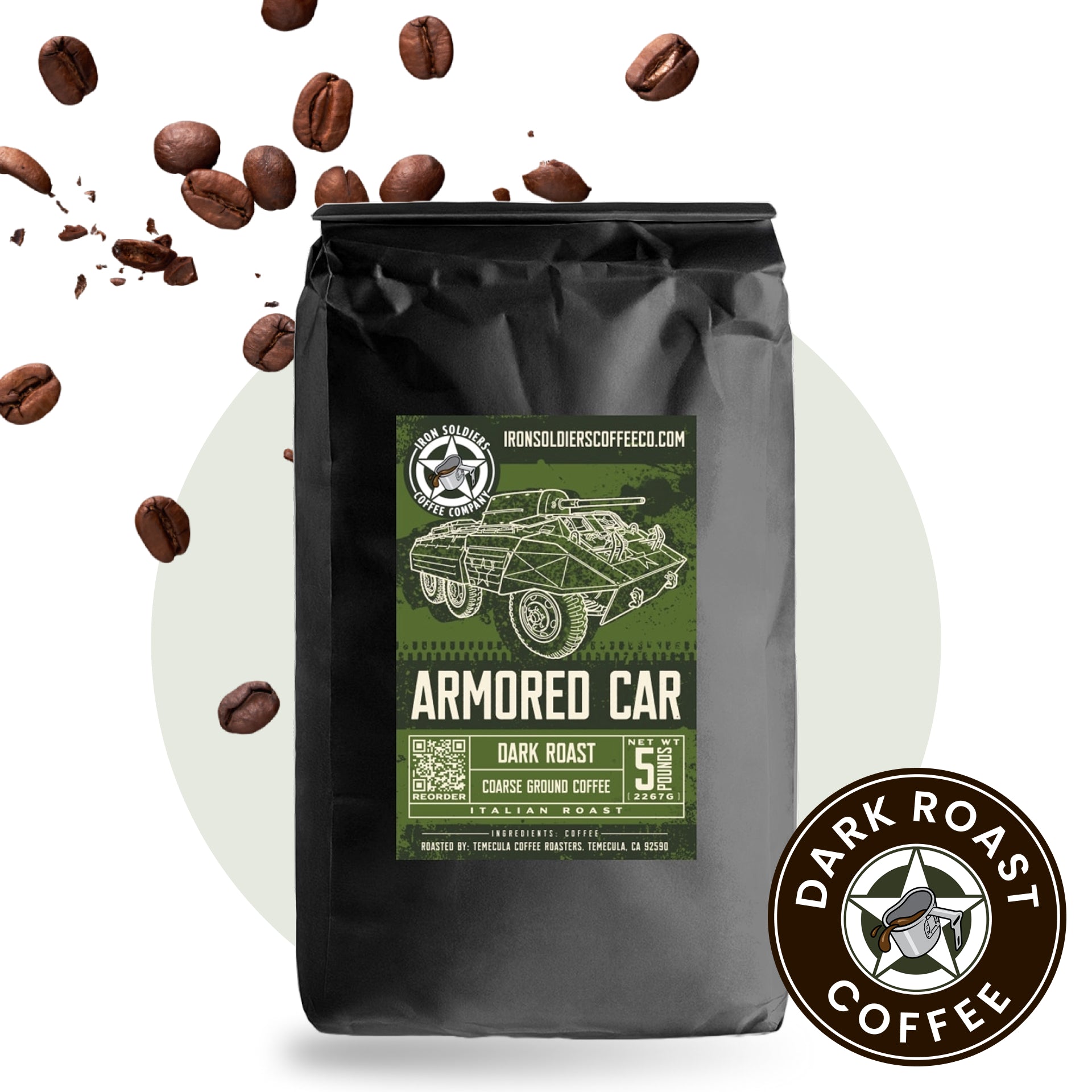
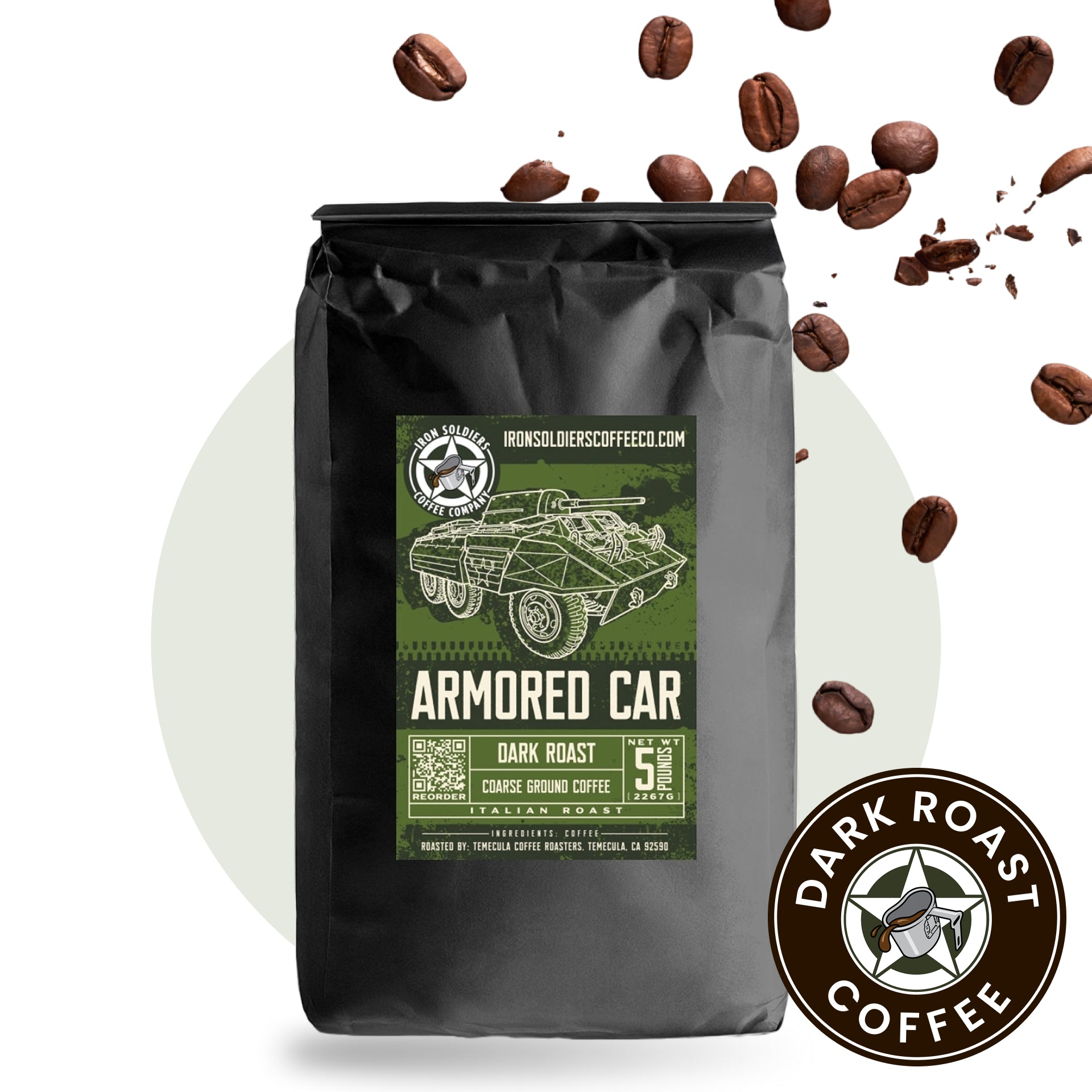
| Dark | Smoky, intense, low acid | Strong iced coffee with milk | Overpowers light sweeteners |
Why Roast Level Changes the Cold Brew Equation
Roast level changes how coffee extracts in cold water. Light roasts are denser and less porous, so cold water pulls less out in the same steep, a light roast that tastes bright hot can taste hollow over ice. Medium and medium-dark beans are more porous, pulling more sweetness and body in 12 to 18 hours. Dark roasts are the most porous and extract fastest, turning bitter or ashy past 12 hours. Cut your steep time and taste as you go.
Adjusting Your Ratio by Roast
Nudge your ratio by roast level:
- Light roast: Closer to 1 part coffee to 3 parts water for concentrate, cold water extracts less from dense beans.
- Medium roast: The standard 1:4 ratio works well.
- Medium-dark roast: Same 1:4 ratio, but start tasting at 12 hours.
- Dark roast: Drop to 1:5 to avoid over-extraction, and cap your steep at 12 hours.
A Note on Grind and Roast Together
Roast and grind interact. A coarse grind on a light roast leaves a weak, tea-like concentrate, dense beans need more surface area. Grind slightly finer than for a medium roast, still coarse enough to avoid clogging your strainer. For dark roasts, keep the grind coarse and don't over-steep; a fine grind plus a long steep is the fastest route to a bitter, muddy glass.
Instant Coffee - Field Ration Edition →
Matching Roast to Method
- Mason jar shake: Medium or medium-dark, forgiving, and they hold character through the strain and ice.
- Pour-over filter: Medium, the hot-water method extracts efficiently, giving balance without light-roast thinness.
- Cold brew concentrate: Medium-dark is the sweet spot, enough body for dilution, enough sweetness to drink black.
Coming from a light roast you drink hot? Expect iced versions to taste flatter. Bump to a medium roast for cold drinks and you'll notice immediately.
Common Mistakes to Avoid with Iced Coffee at Home
Most bad iced coffee comes down to three mistakes: weak brew, wrong grind, and too much ice. Fix those and your home brew beats most shop cups.
- Brewing at normal strength. Iced coffee needs a concentrate. Use more grounds per cup of water.
- Using fine grounds for cold brew. Fine grounds slip through filters and leave grit. Go coarse.
- Filling the glass with ice before the coffee. Add coffee first, then ice. You'll use less ice and get a stronger drink.
- Skipping the chill step. Hot coffee over ice melts fast. Chill your brew first when you can.
- Sweetening with granulated sugar. It won't dissolve in cold liquid. Use simple syrup instead.
Troubleshooting the Flavor: Bitter vs. Sour
When your iced coffee tastes off, the flavor tells you which variable to adjust. No refractometer needed, your tongue is the instrument.
- Grind too fine. Fine particles expose more surface area to water, and cold water pulls out bitter compounds over a long steep. Go coarser.
- Steep ran too long. Past 18 hours, cold brew starts pulling harsh, woody notes. Cap your steep and taste at the 12-hour mark.
- Water too hot for the pour-over method. If you poured boiling water instead of letting it cool to around 200°F, you scorched the grounds. Let the kettle rest a minute or two after it boils.
- Dark roast over-steeped. Dark beans extract fast. If you're using a dark roast, shorten the steep.
Sour, thin, or tea-like? You under-extracted. The usual suspects:
- Not enough coffee. Bump your ratio. If you used 1 part coffee to 5 parts water, move to 1:4.
- Grind too coarse. The water can't reach the center of the particles. Grind a notch finer, still coarse, but not boulder-sized.
- Steep too short. Cold water is slow. Four hours isn't enough for most methods. Give it at least 12.
- Light roast with a short steep. Dense beans need more time. Extend the steep or switch to a medium roast.
Waste Reduction: Getting More from Every Batch
Brewing without a machine doesn't mean brewing without waste. A few habits cut the throwaway:
- Repurpose spent grounds. Dry them in a thin layer, then use as a mild abrasive for pots, a fridge deodorizer, or compost. Don't dump them down the sink, they clog drains.
- Skip paper filters when you can. A fine mesh strainer alone works for coarse grinds if you're patient. One paper filter can often handle a second small batch before it tears.
- Freeze the leftovers. Pour unfinished concentrate into an ice tray. Coffee ice cubes are the best defense against a watered-down glass.
- Brew only what you'll drink. Concentrate keeps about a week in the fridge, make a batch sized to your consumption, not your biggest jar.
- Reuse your steeping jar. Rinse with hot water and air-dry. No soap needed if you rinse promptly, residue leaves a film that affects flavor.
The Three Mistakes That Matter Most
Fix three things: brew a concentrate instead of normal-strength coffee, grind coarse for cold methods, and chill your brew before it hits the ice. Those changes eliminate the most common complaints, weak flavor, gritty texture, and a watery glass. Bitter means your grind is too fine or your steep ran long; sour or thin means not enough coffee. Adjust one variable at a time.
Strong coffee, coarse grind, coffee ice cubes. Nail those three and you'll never need special equipment to make a great glass of iced coffee.
Conclusion
Making iced coffee at home comes down to a few fundamentals: strong coffee, the right grind, and ice that doesn't water down your drink. You don't need a machine, a press, or a barista certification. A mason jar, a strainer, and a little patience will do the job.
Fueled by grit. Ground in honor.
Frequently Asked Questions
How do I make iced coffee without a machine?
You can make iced coffee at home with nothing more than a jar, a filter or mesh strainer, and ground coffee. Combine 1 cup of coarse coffee grounds with 2 cups of chilled water, stir, and let it steep at room temperature for 12 to 16 hours. Strain through a mesh strainer or coffee filter into a clean jar. Pour over ice cubes and add milk or sweetener to taste. This immersion method gives you a smooth, low-acidity cup without any electric brewer.
What is the easiest way to make iced coffee at home?
The fastest route is the mason jar shake. Add 2 tablespoons of ground coffee to 1 cup of room temperature water, seal the lid, and shake for 30 seconds. Let it sit for 5 minutes, shake again, then strain through a fine mesh strainer into a glass of ice. It takes under 10 minutes start to finish. For an even quicker option, Iron Soldiers Instant Coffee - Field Ration Edition mixes instantly in cold water and delivers bold flavor without any steeping.
How do you keep iced coffee from tasting watered down?
Ice is the main culprit. Freeze leftover coffee in an ice cube tray and use those cubes instead of plain water ice. You can also brew a stronger concentrate, using a 1:2 coffee-to-water ratio, and pour it over ice so the melt only dilutes it to normal strength. Chilling your brewed coffee in the refrigerator before pouring it over ice slows the melting further. A mason jar or insulated mug also helps hold the cold without adding extra melt.
Can I just use cold coffee to make iced coffee?
Yes, but the result depends on how you chill it. Leftover hot-brewed coffee that has been refrigerated overnight works fine, though it may taste more acidic than a cold brew concentrate. For a smoother flavor profile, steep coarse grounds in chilled water for 12 to 16 hours. That cold extraction pulls less bitterness and acidity from the beans. If you are short on time, instant coffee dissolved in cold water is the quickest path to a solid glass.
Related post
21
Oct
20
Oct