Light Roast vs Dark Roast: Coffee Flavor Profiles
Table of Contents
- Light Roast vs Dark Roast Coffee Flavor Profiles at a Glance
- What the Roasting Process Does to Flavor
- Acidity, Body, and Mouthfeel: The Texture of Each Roast
- Caffeine Content in Light vs Dark Roast
- Best Brewing Methods for Light Roast
- How to Brew Strong Coffee With Either Roast
- Choosing Your Roast: A Field Guide
- Frequently Asked Questions
Last Updated: September 23, 2026
Light Roast vs Dark Roast Coffee Flavor Profiles at a Glance
Light roast versus dark roast coffee flavor profiles come down to one variable: how far the roaster takes the bean. Light roasts keep the bean's origin character intact, with brighter acidity and fruity or floral notes. Dark roasts push past that origin flavor into caramelization and smokiness, trading brightness for body and bittersweet depth. At Iron Soldiers Coffee Company, we roast both ends of that spectrum, so this briefing covers what actually changes in the drum, how it hits your palate, and which method gets the best out of each.
| Factor | Light Roast | Dark Roast |
|---|---|---|
| Roast degree | Stopped near first crack | Taken into or past second crack |
| Acidity | High, bright | Low, mellow |
| Body and mouthfeel | Lighter, tea-like | Heavy, syrupy |
| Flavor profile | Fruity, floral, origin-forward | Chocolaty, smoky, caramelized |
| Surface sheen | Dry, matte | Oily, dark |
| Best brewing method | Pour-over, drip | Espresso, French press |
The 5 differences above decide everything else . Below, we'll show you exactly how each one plays out in the cup, and where most guides get the roast conversation wrong.
What the Roasting Process Does to Flavor
Roasting is a controlled application of heat that drives moisture out of green coffee and triggers the chemical reactions responsible for aroma, acidity, and sweetness. Think of it as a mission timeline: every minute in the drum advances a different reaction, and the point where you call the halt order decides what lands in the cup.
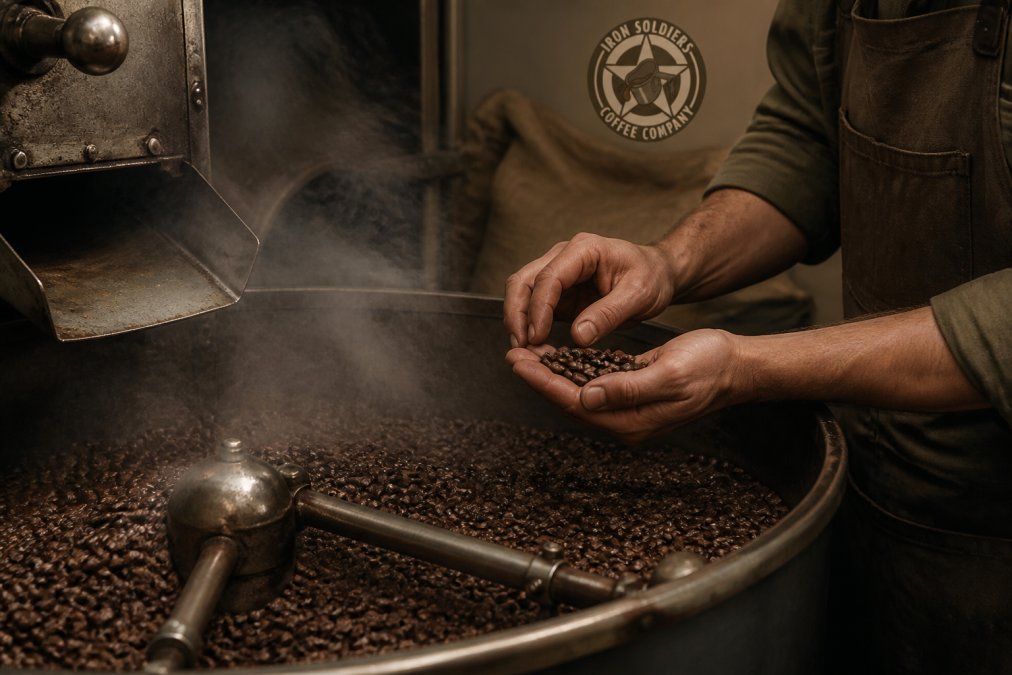
Green coffee enters the roaster at roughly 10 to 12 percent moisture.
First Crack, Second Crack, and Roast Degree
First crack is the audible pop of moisture escaping the bean, typically landing between 385°F and 400°F bean temperature. It marks the start of light roast territory. Beans pulled just after first crack keep bean density, high solubility, and the bright, nuanced acidity that specialty coffee buyers chase.
Why This Matters for Your Brew
The chemistry explains the brewing advice later in this briefing. Light roasts stay dense because their cell walls are intact, so water struggles to penetrate them. Dark roasts are porous because second crack has already fractured the structure, so water moves through fast and pulls out bitter compounds if you are not careful. That single structural difference drives every grind and temperature recommendation that follows.
Acidity, Body, and Mouthfeel: The Texture of Each Roast
Acidity in coffee is not a flaw; it is the bright, tongue-tingling quality that reads as fruity or citrusy. Body is the weight of the liquid on your palate, and mouthfeel is how that weight feels, whether silky, syrupy, or thin. Light roasts run high on acidity and light on body. Dark roasts flip that: low acidity, heavy body, and a mouthfeel that coats the tongue.
Pro Tip
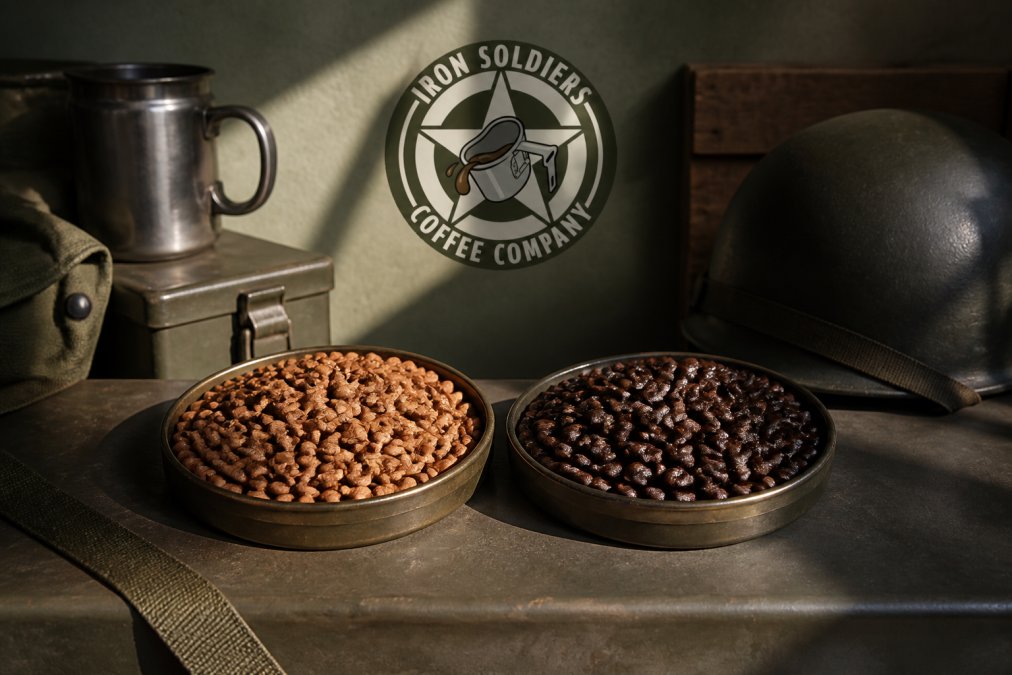
Brew a light roast and a dark roast side by side at the same dose and water temperature. The difference in body will be obvious within one sip, and that single test teaches you more than any flavor wheel.
Caffeine Content in Light vs Dark Roast
Caffeine content in light vs dark roast is nearly identical by weight of bean. Caffeine is a remarkably heat-stable molecule. It survives the roasting process largely intact, so the popular belief that dark roast hits harder is a myth that has been repeated so often it has become field doctrine. The bean you started with determines the caffeine, not the roast level.
The Density Variable
Dark roast beans lose more moisture and expand during roasting. A light roast bean might retain 11 percent moisture after the drop; a dark roast might finish closer to 2 percent. That moisture loss, combined with cell wall breakdown during second crack, makes dark beans less dense. They weigh less per bean and take up more volume.
Extraction Yield Changes the Picture
Even at identical dose by weight, extraction yield shifts the final caffeine in your cup. Light roasts are denser and less soluble, so they resist extraction. If you under-extract a light roast, you leave caffeine behind in the grounds. Dark roasts are porous and extract faster, so they release their caffeine more completely in a shorter contact time.
Practical Measurement Guidance
- Weigh your dose. A digital scale accurate to 0.1 grams is the single most useful tool. Volume scoops are inconsistent across roast levels.
- Lock your ratio. Start at 1:15 coffee-to-water by weight and adjust for taste, not for caffeine.
- Dial in extraction. For light roasts, grind finer and use hotter water to pull full caffeine yield. For dark roasts, watch for over-extraction and back off grind or temperature.
- Check your bean. Robusta beans carry roughly double the caffeine of Arabica. If you want maximum caffeine, the species matters more than the roast.
Pro Tip
Brew a light roast and a dark roast side by side at the same dose by weight and the same water temperature. Weigh both doses on a scale. The caffeine difference will be negligible, and the flavor difference will be obvious. That single test settles the myth for good.
Bean density matters too. Light roasts stay denser, so a level scoop holds more mass. If caffeine is your priority, weigh your dose and adjust grind for extraction yield rather than chasing roast level. The roast decides flavor. Your scale decides caffeine.
Best Brewing Methods for Light Roast
The best brewing methods for light roast are pour-over, drip, and any method that gives you control over water temperature. Light roasts are dense and less soluble, so they need hotter water and a finer grind to pull out sweetness and origin flavor without sourness.
- Pour-over: Best control, cleanest cup, highlights fruity and floral notes
- Drip machine: Consistent and hands-off, works well with a medium-fine grind
- AeroPress: Fast, forgiving, good for a single strong cup
- Cold brew: Long steep time compensates for low solubility, produces a bright, low-bitterness concentrate
How to Brew Strong Coffee With Either Roast
Learning how to brew strong coffee starts with ratio, not roast. A strong cup comes from more coffee per unit of water, not from a darker bean. Start at a 1:15 coffee-to-water ratio by weight and tighten toward 1:12 if you want more punch. Then adjust for roast.
Watch Out
Doubling your scoop to "make it stronger" is the fastest way to a bitter, muddy cup. Increase dose gradually and taste at each step. Over-extracted dark roast tastes burnt, and no amount of cream fixes it.
Dialing In Dark Roast for Espresso
Espresso extraction rewards dark roast, and this is where the roast really shows its hand. Dark beans are more soluble, so they pull faster and produce the heavy body and crema that espresso drinkers expect. Aim for a finer grind and a shorter shot time, then taste.
Choosing Your Roast: A Field Guide
- You want bright, fruity, floral cups: light roast, pour-over, hot water
- You want chocolaty, smoky, heavy cups: dark roast, espresso or French press
- You drink it with cream and sugar: dark roast holds its ground
- You drink it black and want nuance: light roast
- You need max caffeine per cup: either roast, measured by weight
- You want a strong daily driver: a dark roast blend built for volume
Key Takeaway
Roast level is a flavor decision, not a caffeine decision. Pick the profile you actually enjoy, then dial in grind, ratio, and temperature to get the most from it.
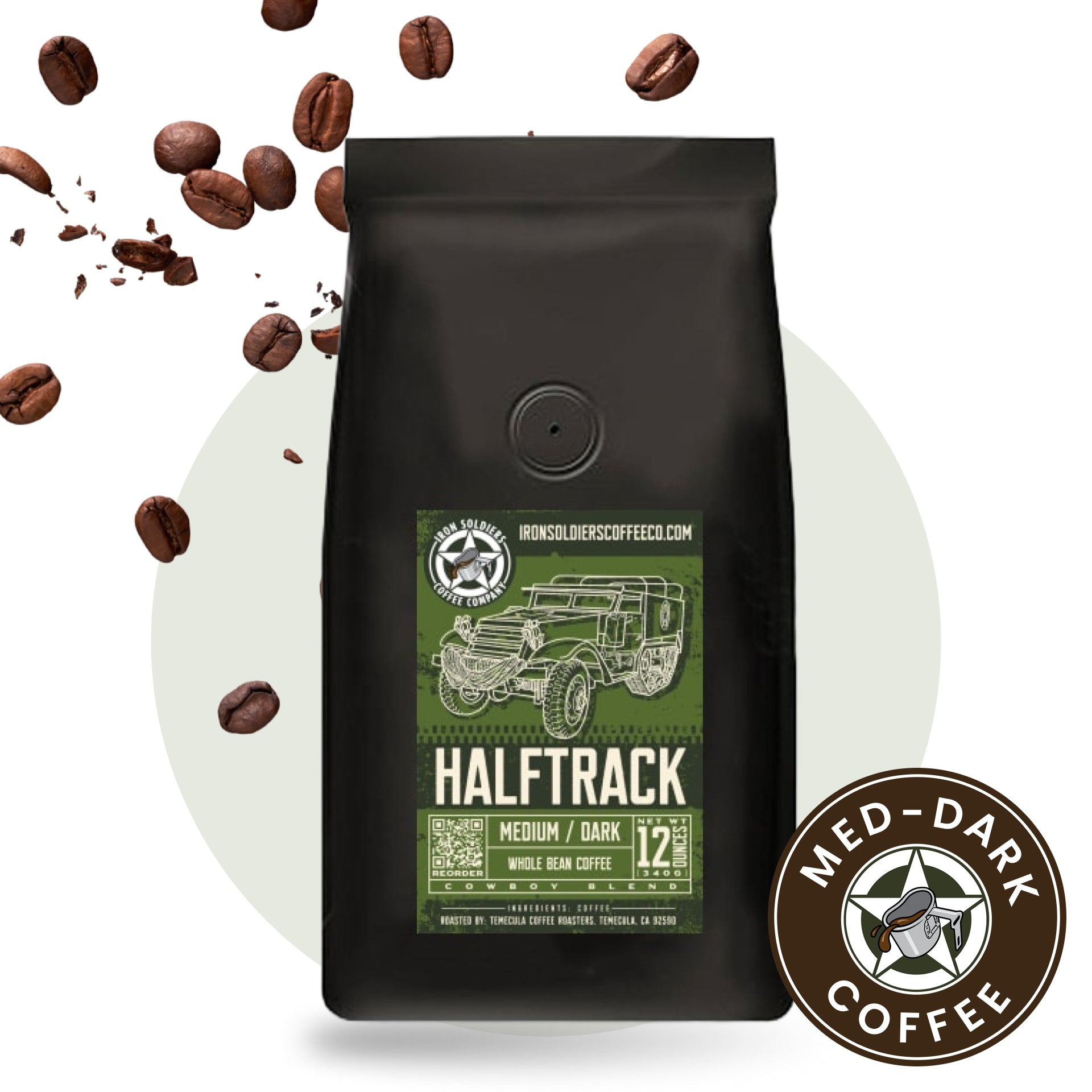
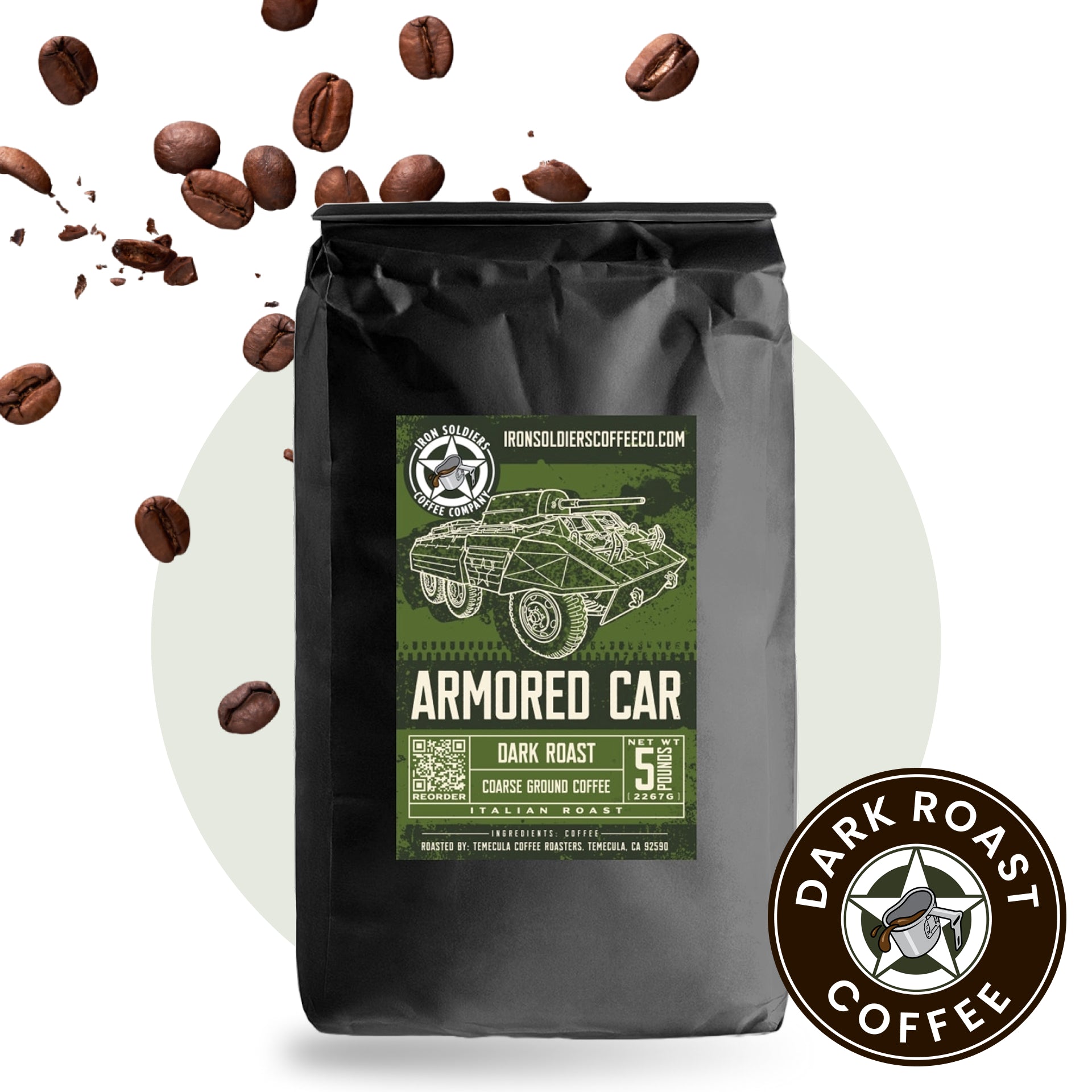
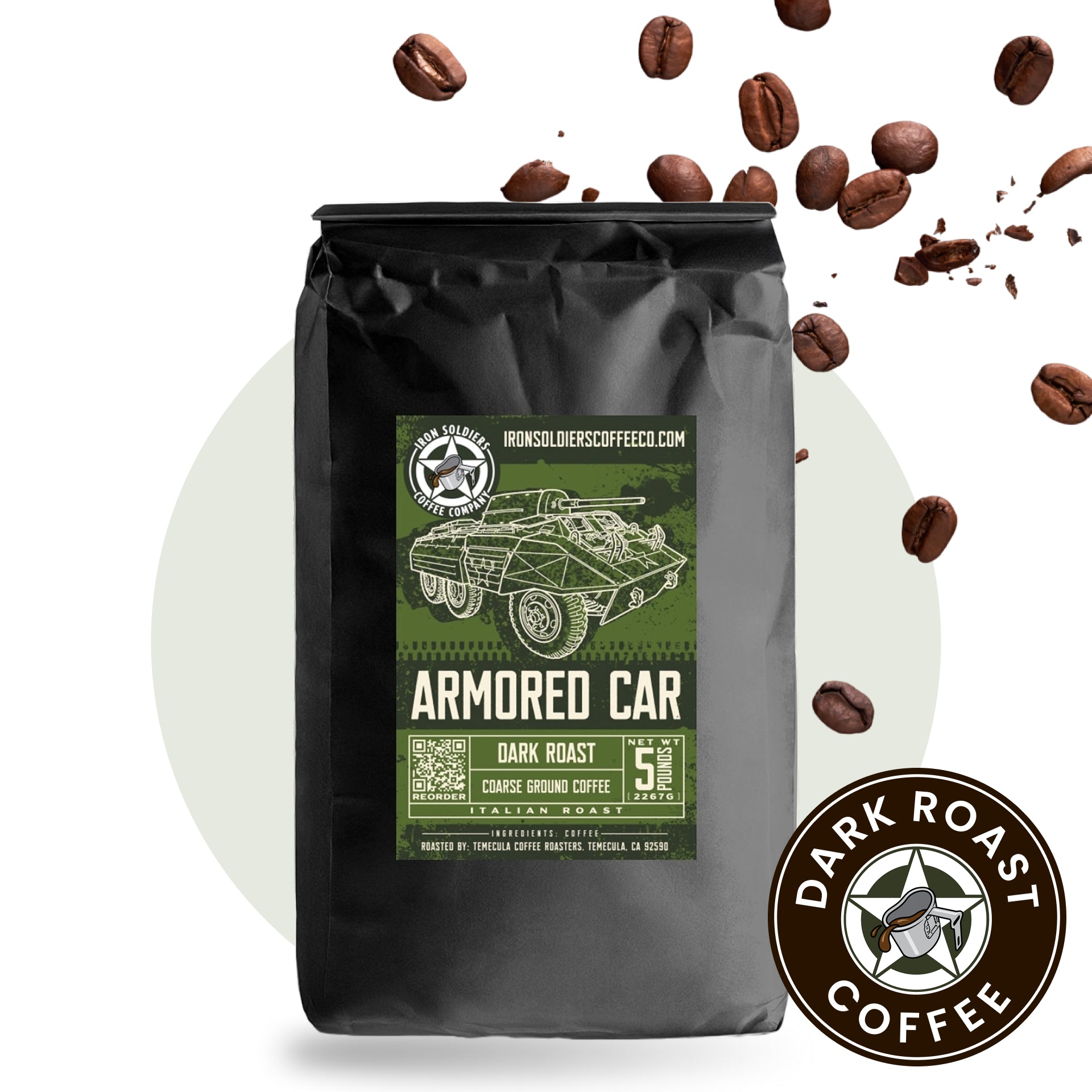
If you want to skip the trial and error, our Armored Car Edition is the darkest roast in the lineup, an Italian roast with smoky intensity, dark chocolate, and toasted caramel. The Dany's D-Day Blend French Roast delivers a bold, smoky cup in tribute to history, heroism, and hope.

Specialty Coffee Association brewing standards and research
Frequently Asked Questions
What tastes better, light roast or dark roast?
Neither wins outright; the roast coffee you pick should match how you brew and what you enjoy. Light roasts keep more origin flavor, so you get bright, fruity, or floral notes with higher acidity. Dark roasts push caramelization and Maillard reaction flavors forward, giving you bold, smoky, chocolaty cups with low acidity and heavier body. If you drink espresso or want a dessert-like aftertaste, dark roast usually satisfies more. If you brew pour-over and like nuance, light roast delivers more.
Does light roast coffee contain more caffeine than dark roast?
By weight, light roast beans hold slightly more caffeine because roasting burns off a small amount of mass, so a scoop of dark roast contains fewer beans. By volume, the gap shrinks or reverses since dark beans are less dense and pack looser. In practice, caffeine content in light vs dark roast depends far more on your dose, grind, and extraction yield than on roast degree. Weigh your coffee in grams if you want consistent caffeine from cup to cup.
What are the drawbacks of light roast coffee?
Light roast demands more care. Its higher acidity and bean density resist even extraction, so under-extracted cups taste sour, grassy, or thin. It also needs hotter water and a finer grind, which makes it less forgiving in a standard drip machine. Some drinkers find the bright, tea-like body too light for a morning mug. If you want a bold, low-effort cup, a dark roast or a medium-dark blend is easier to brew consistently.
Which roast profile works best for different brewing methods?
Match roast degree to your equipment. Best brewing methods for light roast include pour-over, Chemex, Aeropress, and single-origin drip, where hotter water and longer contact pull out sweetness. Dark roasts shine in espresso, moka pot, French press, and cold brew because their solubility and oil content extract fast and resist bitterness. Medium roasts split the difference and work in nearly any brewer, which makes them a solid default if you own one machine.
How does the roasting process affect the acidity of the coffee bean?
Green coffee holds chlorogenic acids that break down as roasting temperature climbs. A light roast stops early, so more of those acids survive, producing bright, citrusy acidity. Extending the roast through first crack and into second crack destroys most of them, which is why dark roast tastes smoother and less tart. Bean density drops as the roast progresses, and oil content rises to the surface, changing both mouthfeel and how the coffee extracts in your brewer.