Benefits of Fresh Roasted Coffee: A 2026 Guide
Table of Contents
- The Fresh Roasted Coffee Advantage: Why Roast Date Matters
- Health Benefits of Fresh Roasted Coffee: Antioxidants and More
- Fresh Roasted Coffee vs Grocery Store: The Quality Divide
- The Coffee Bean Degassing Process and Nutrient Stability
- How to Store Coffee Beans to Preserve Freshness
- Choose Your Roast: Light, Medium, or Dark
- Your Mission Briefing: Brew Fresh and Support a Cause
- Frequently Asked Questions
Last Updated: September 4, 2026
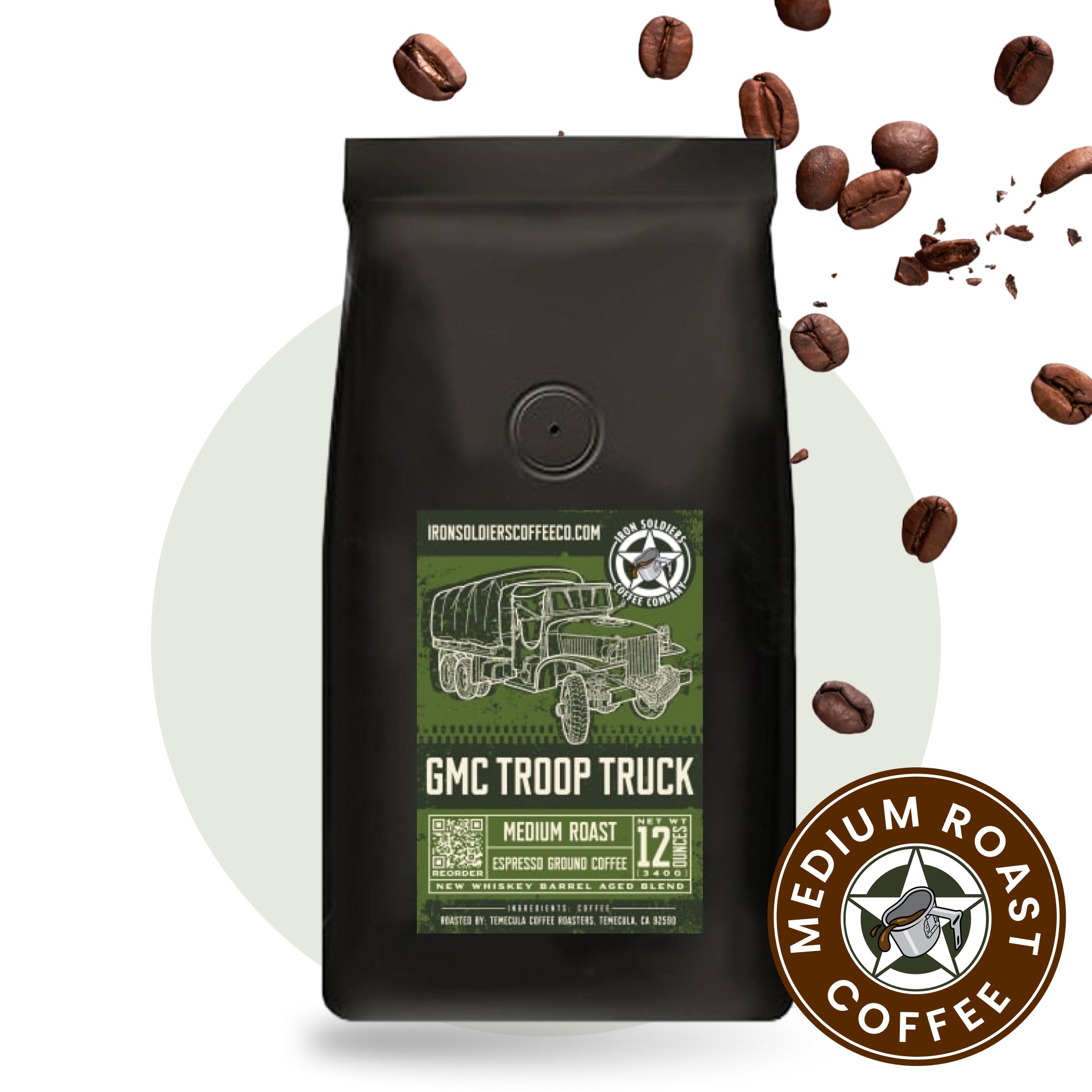
The difference between a cup of coffee that fuels your morning and one that simply tastes like hot brown water often comes down to a single factor: freshness. While many coffee drinkers focus on origin or roast profile, the true battlefield for flavor and health benefits is won or lost in the days between roasting and brewing. Fresh roasted coffee is coffee that has been recently roasted and allowed to rest for a short period, preserving the volatile compounds and antioxidants that degrade over time. At Iron Soldiers Coffee Company, we believe every service member and civilian deserves a brew that honors both their palate and their principles, which is why we roast in small batches and ship quickly. Below, we’ll break down the measurable benefits of drinking fresh roasted coffee and provide a field manual for getting the most out of every bag.
The Fresh Roasted Coffee Advantage: Why Roast Date Matters
Coffee beans are agricultural products, and like any fresh produce, they begin to lose their peak condition the moment they leave the roaster. The oils on the surface of the bean, which carry the majority of the flavor and aromatic compounds, start to oxidize when exposed to oxygen. This process is slow at first, but it accelerates significantly after the first week.
Most grocery store coffee sits in a warehouse or on a shelf for months before it reaches your cup. By that point, the delicate volatile compounds responsible for floral, fruity, and chocolatey notes have largely evaporated. What remains is a flat, bitter shadow of what the roaster intended. A roast date on the bag is your intelligence report; it tells you exactly how much time has passed since the beans reached their peak. When you buy coffee with a recent roast date, you are getting the full chemical profile the roaster worked to develop.
Health Benefits of Fresh Roasted Coffee: Antioxidants and More
Coffee stands as a primary source of antioxidants in the American diet, a distinction that carries real weight when the beans are fresh. The primary compounds of interest are chlorogenic acid and its derivatives, along with a class of polyphenols that act as scavengers in the body's ongoing battle against oxidative stress. This stress, caused by an excess of free radicals, is a known factor in the development of cardiovascular disease, certain cancers, and the general wear-and-tear of aging.
The mission-critical detail is that these compounds are volatile. They are not stable, permanent residents of the bean; they are active participants in a chemical environment that changes by the day. When coffee is roasted, the heat transforms chlorogenic acid into a family of related compounds, including caffeic and quinic acid. This transformation is beneficial, as these breakdown products are more readily absorbed in the digestive tract. However, the process does not stop at the roaster. Once the bean is exposed to oxygen, a slow-burning oxidation begins. This process degrades the very antioxidants you are seeking.
A common pattern in food science literature is the measurement of antioxidant capacity using assays like ORAC (Oxygen Radical Absorbance Capacity) or DPPH. While specific numbers vary by origin and roast profile, the trend is consistent: a measurable decline in antioxidant activity begins within the first week post-roast and accelerates significantly after the second. The delicate volatile oils that carry aromatic compounds, the same ones that give a fresh bean its floral or fruity character, are also the first to evaporate or oxidize. By the time a grocery store bag has sat on a shelf for a month or more, the concentration of these protective polyphenols has dropped considerably.
This is not just about a theoretical loss; it has practical implications. The chlorogenic acid in fresh coffee is linked to the modulation of blood sugar absorption. A fresher bean delivers a more potent dose of these compounds, supporting the body's ability to manage glucose spikes after a meal. Furthermore, the natural oils in coffee, which are rich in diterpenes like cafestol and kahweol, are better preserved in a fresh bean. These compounds have a complex relationship with health, showing both anti-inflammatory properties and an ability to raise serum cholesterol levels when consumed in large amounts from unfiltered brews. The key is that freshness dictates the quality and quantity of what you are actually extracting. Choosing a bag with a roast date within the last two weeks is not a luxury; it is a tactical decision to ensure your daily ration delivers its full payload of protective compounds.
Key Takeaway
Fresh coffee is not just a better-tasting product; it is a chemically superior source of antioxidants. The degradation of chlorogenic acid and volatile oils begins immediately after roasting, making the roast date your primary indicator of nutritional potency.
Fresh Roasted Coffee vs Grocery Store: The Quality Divide
The gap between fresh roasted coffee and grocery store offerings is not a minor detail; it is a chasm in both flavor and effect. Grocery store coffee is often roasted weeks or months before it hits the shelf, and it is frequently packed in bags with one-way valves that let carbon dioxide escape but still allow oxygen to seep in over time. This prolonged exposure degrades the bean.
The difference becomes obvious in the cup. Fresh coffee produces a thick, golden crema when brewed as espresso and a complex aroma that fills the room. Stale coffee brews flat, with a hollow bitterness and none of the bright acidity or sweetness that defines a quality bean. For those who rely on coffee for a caffeine kick during long shifts, freshness also matters: the caffeine content remains stable, but the overall experience of drinking it is far more satisfying when the bean is at its peak. When you compare fresh roasted coffee vs grocery store beans side by side, the fresh batch will almost always win in a blind taste test. The extra cost per pound translates directly into a superior product that requires less sugar and cream to taste good.
The Coffee Bean Degassing Process and Nutrient Stability
Freshly roasted coffee releases a significant volume of carbon dioxide for days after roasting. This is known as the coffee bean degassing process, and it is a critical phase that many consumers misunderstand. If you brew beans immediately after roasting, the escaping gas disrupts the extraction process, leading to a sour, underdeveloped cup.
The degassing timeline follows a predictable arc. In the first 24 hours, the beans release gas aggressively. Between days two and seven, the rate slows, and the flavor profile begins to stabilize and open up. Most roasters recommend resting beans for three to seven days before brewing to allow the coffee bean degassing process to complete. This rest period also contributes to nutrient stability. As the beans shed gas, the internal structure settles, and the antioxidants and oils become more accessible for extraction. Brewing at the right moment in this window, rather than immediately or after months of storage, captures the bean at its most flavorful and nutrient-dense state.
How to Store Coffee Beans to Preserve Freshness
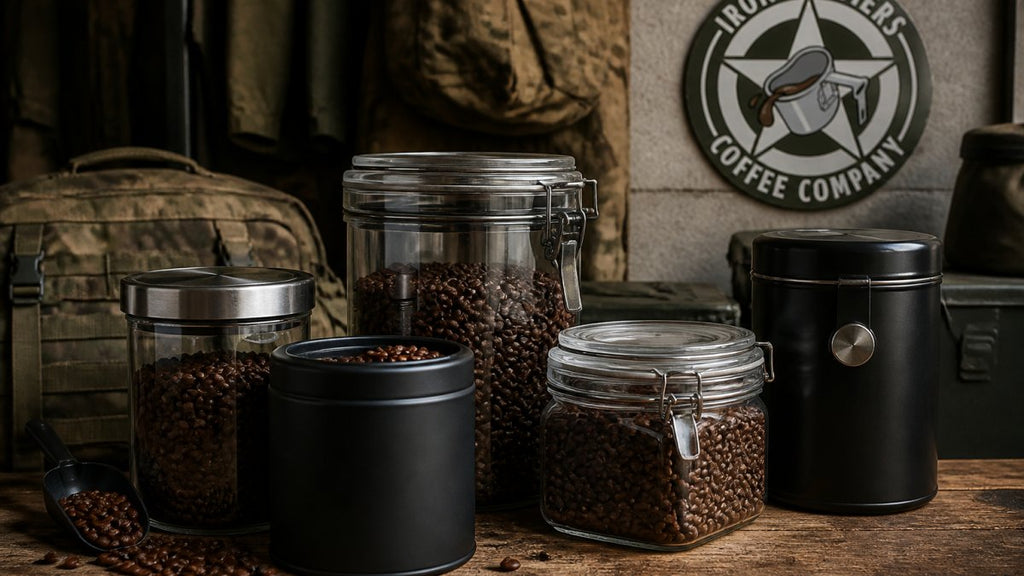
Once you have a fresh bag, the mission shifts to defense: protecting the beans from the enemies of oxygen, light, heat, and moisture. Proper storage is the single most effective way to extend the life of your coffee and preserve its health benefits.
Follow this storage protocol to keep your beans battle-ready:
- Keep beans in an airtight, opaque container. Exposure to light accelerates the breakdown of volatile compounds.
- Store at room temperature. The refrigerator introduces moisture and absorbs odors; the freezer is only viable for long-term storage of unopened bags.
- Grind only what you need. Whole beans retain their flavors and oils far longer than ground coffee, which has a vastly increased surface area for oxidation.
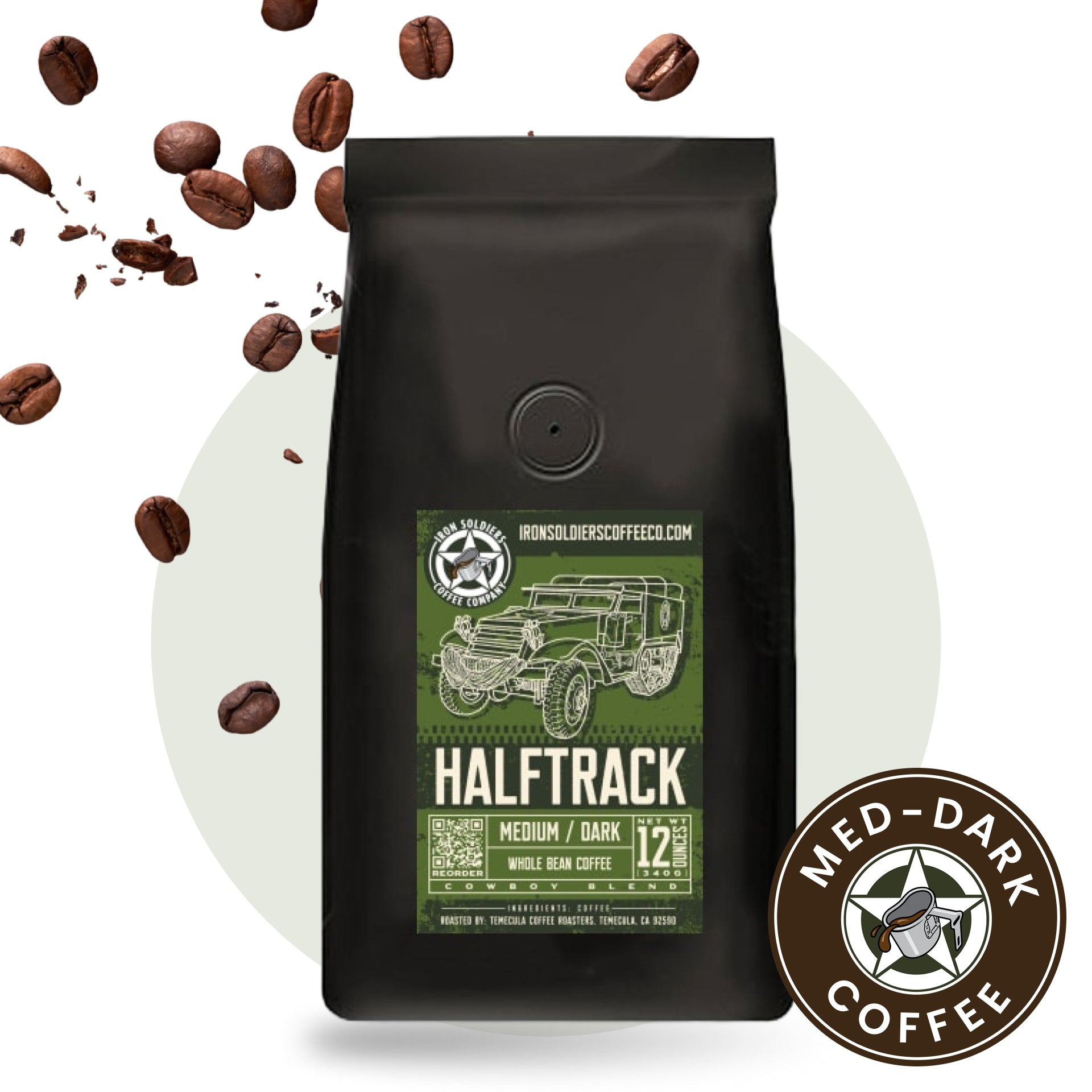
- Buy in quantities you will use within two to four weeks. A 12-ounce bag is the ideal unit for a single drinker.
- Look for a roast date on the bag, not just a "best by" date. This tells you the true age of the product.
| Storage Factor | Best Practice | Impact on Freshness |
|---|---|---|
| Container | Airtight and opaque | Blocks oxygen and light |
| Temperature | Cool room temperature | Slows oil oxidation |
| Grind Size | Whole bean until brew time | Reduces surface area exposure |
| Purchase Volume | 12 oz to 2 lb max | Ensures use within peak window |
| Roast Date | Within 2-4 weeks of brewing | Captures peak antioxidant levels |
Choose Your Roast: Light, Medium, or Dark
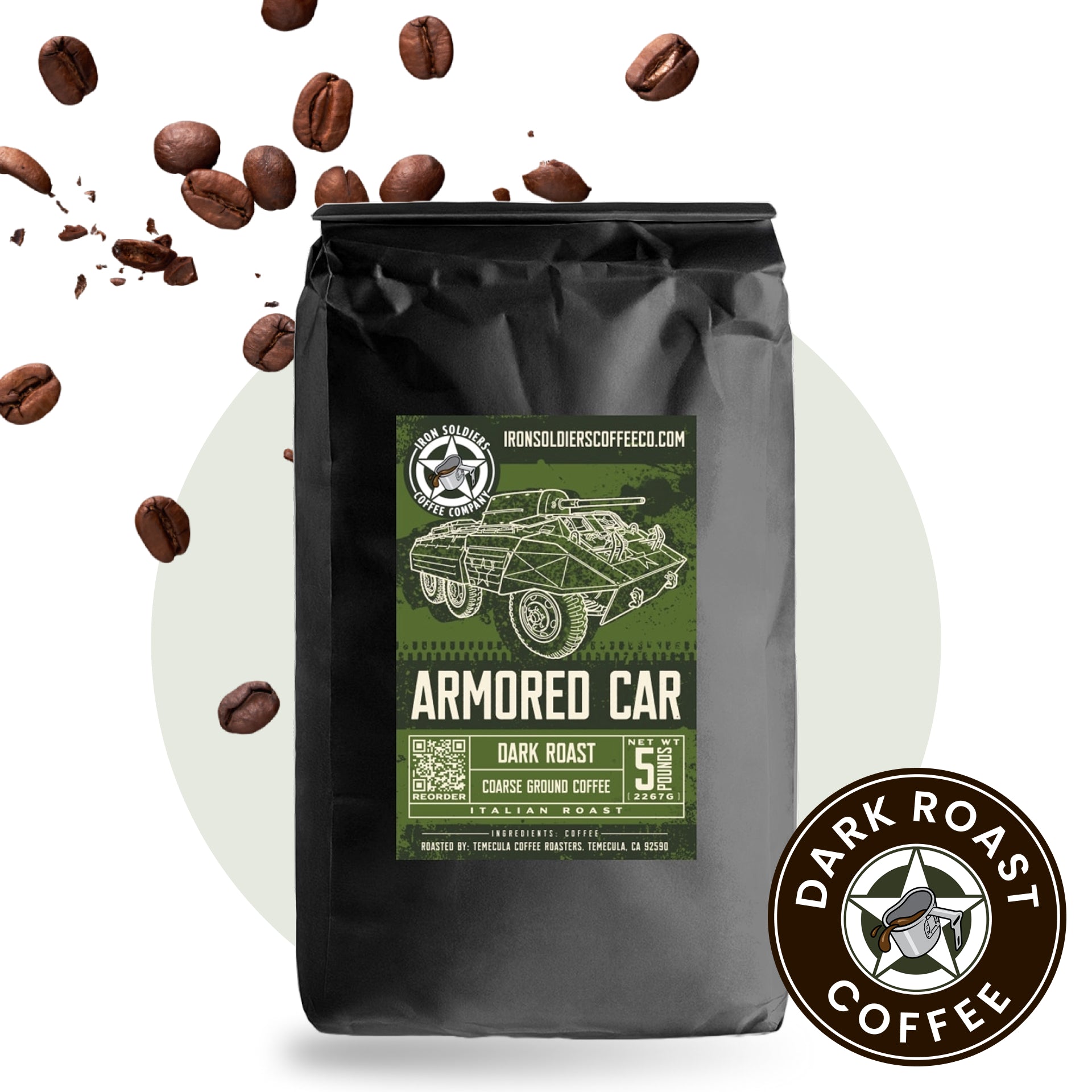
The roast level is your first strategic decision, setting the stage for both flavor and the chemical composition of your brew. While the differences in caffeine are negligible, the impact on other compounds is significant. Light roasts, roasted to an internal temperature just past the first crack, preserve the highest concentration of chlorogenic acid. They are also denser, which affects how they extract. Dark roasts, pushed further into the second crack, break down more of that chlorogenic acid but also develop a different set of compounds. The roasting process creates melanoidins, which are responsible for the darker color and a portion of the bitter taste. These compounds have their own antioxidant properties, though they are less studied than their lighter counterparts.
Where the tactical nuance comes in is the interaction between your roast choice and your brewing method. This is a detail most guides overlook, yet it is central to maximizing the health benefits of your coffee. The compounds cafestol and kahweol, diterpenes found in the oil of the coffee bean, are a prime example. These oils are more prevalent in lighter roasts because the longer, darker roast drives them off or degrades them. Cafestol and kahweol have demonstrated anti-inflammatory effects in some studies, but they are also known to raise LDL (bad) cholesterol levels. The brewing method is the deciding factor in how much of these oils end up in your cup. A paper filter traps the vast majority of these oily compounds, while a French press or a metal mesh filter allows them to pass through. Therefore, a light roast brewed in a French press will deliver a higher dose of these diterpenes than a dark roast brewed through a paper filter.
This gives you a clear field manual for tailoring your coffee to your health profile. If you are managing cholesterol, a medium or dark roast brewed with a paper filter is the prudent choice, as it minimizes the extraction of cafestol and kahweol. If you are seeking the maximum anti-inflammatory and antioxidant punch from your beans, a light roast brewed in a French press will deliver a richer profile of chlorogenic acid and natural oils. The roast level is not just about taste; it is a dial you can adjust to control the chemical payload of your daily brew.
Watch Out
For those with elevated cholesterol, be mindful of unfiltered brewing methods [like the](/products/peru) French press. The oils that pass through the metal mesh are rich in cafestol and kahweol, which can raise LDL cholesterol levels. A paper filter is your best defense.
Your Mission Briefing: Brew Fresh and Support a Cause
The evidence is clear: fresh roasted coffee is superior in flavor and delivers a higher concentration of the antioxidants that support cardiovascular health and reduce inflammation. The path to a better cup starts with checking the roast date, storing your beans correctly, and brewing them within a few weeks of purchase. This small habit transforms a daily ritual into a genuine health practice.
Choosing coffee that aligns with your values makes the ritual even more meaningful. Iron Soldiers Coffee Company roasts to order and ships within days, ensuring your beans arrive at peak freshness. Every bag purchased supports a volunteer-only nonprofit dedicated to helping veterans and their families, with $1 from each order going directly to the cause. Explore single-origin options like the Peru or African Espresso blends, and experience a cup that serves those who served us. Get started with Iron Soldiers Coffee Company and make every morning a mission accomplished.

Frequently Asked Questions
How long should you wait to drink freshly roasted coffee?
Wait at least 3 to 7 days after the roast date before brewing. This rest period, known as the degassing process, allows carbon dioxide to escape. Brewing too early can result in a flat or overly acidic cup. The ideal window for peak flavor and health benefits of fresh roasted coffee starts around day 4 and extends through week 3 or 4. Check the roast date on your bag and plan your opening accordingly.
Does fresh roasted coffee contain more antioxidants than store-bought coffee?
Yes. Antioxidants like polyphenols and chlorogenic acid begin to degrade after roasting. Oxygen, light, and heat accelerate this breakdown. Coffee sitting on a grocery store shelf for months loses a significant portion of its beneficial compounds. Fresh roasted coffee, consumed within weeks of roasting, delivers a higher concentration of these antioxidants, which help fight oxidative stress and support cardiovascular health.
What type of coffee is the healthiest?
The healthiest coffee is fresh, high-quality, and brewed without excessive additives. Both light and dark roasts offer health benefits. Light roasts retain more chlorogenic acid, while dark roasts contain different antioxidants formed during the roasting process. Choose a roast profile that suits your taste, but prioritize freshness above all. The health benefits of drinking fresh roasted coffee outweigh the differences between roast levels.
Is there a significant health difference between fresh roasted and stale coffee?
Yes, the difference is significant. Stale coffee has lower levels of antioxidants and can develop off-flavors from oxidized oils. The coffee bean degassing process and storage conditions directly impact nutrient retention. Fresh roasted coffee provides more polyphenols and a cleaner, more complex flavor. Switching to fresh coffee means you get a better-tasting cup with more of the compounds linked to reduced inflammation and improved metabolic rate.
This article was written using GrandRanker