7 Signs You Need More Coffee Beans Before Your Next Brew
Last Updated: November 14, 2026
Quick Summary
You need more coffee beans when the canister rattles hollow, the bag is down to dust and fines, or the roast date is older than your last leave. Other signs include a quiet aroma, a flat cup, rationing scoops, and daily use outrunning your restock cycle. Set a reorder point at one week of normal brewing.
- Count remaining brews, not beans, and restock when the count drops below a week's worth.
- A standard scoop is about two level tablespoons, roughly 10 to 12 grams.
- A one-pound bag of whole beans yields roughly 35 to 45 cups, lasting two to three weeks.
- Whole beans stay at their best for roughly two to four weeks after opening when stored properly.
- Store beans airtight, in a cool dark place, in whole-bean form, in quantities you will finish.
When did you last check your bean supply?Iron Soldiers Coffee Company roasts fresh coffee and sends $1 per bag to veteran support.
Shop Fresh Coffee Beans
Table of Contents
- Reading the Warning Signs: Why Your Coffee Supply Matters
-
7 Signs You Need More Coffee Beans
- Sign 1: The Canister Rattle Sounds Hollow
- Sign 2: Your Last Bag Is Down to Dust and Fines
- Sign 3: The Roast Date Is Older Than Your Last Leave
- Sign 4: The Aroma Has Gone Quiet
- Sign 5: Your Brew Tastes Flat, Dull or Bitter
- Sign 6: You Are Rationing the Last Scoop
- Sign 7: Your Daily Consumption Has Outrun Your Restock
- A Practical Replenishment Checklist
- Do Coffee Beans Go Bad Once Opened?
- How Long Do Whole Coffee Beans Last Once Opened?
- How to Tell Stale Beans From a Brewing Problem
- Storage Protocols to Keep Your Beans Field-Ready
- What to Do With Stale Coffee Beans
- How Many Coffee Beans Do I Need for One Cup of Coffee?
- Frequently Asked Questions
Reading the Warning Signs: Why Your Coffee Supply Matters
Running out of coffee beans mid-brew is a small crisis with a simple fix: know the signs you need more coffee beans before the tin goes empty. At Iron Soldiers Coffee Company, we treat the coffee canister like an ammo crate. You count it, you inspect it, and you resupply before you need it, not after.
7 Signs You Need More Coffee Beans
Most guides answer a different question: how to tell if beans are stale. The literal question is when to restock. These seven signs focus on inventory, consumption rate, and supply discipline, with a short freshness check where it matters. Run through the list once a week and you will rarely get caught short.
| Sign | What You Notice | Recommended Action |
|---|---|---|
| 1. Hollow rattle | Canister sounds empty when shaken | Count remaining brews, restock now |
| 2. Dust and fines | Only crumbs left in the bag | Order whole beans, not pre-ground |
| 3. Roast date older than your last leave | Beans past their flavor peak | Check the roast date, replace if flat |
| 4. Quiet aroma | Little smell when you open the lid | Grind a test batch, taste before buying |
| 5. Flat cup | Dull, bitter, or lifeless brew | Separate staleness from brewing faults |
| 6. Rationing | Scooping smaller doses to stretch supply | Set a minimum stock level |
| 7. Outrun restock | Daily use exceeds your order cycle | Calculate consumption, adjust order size |
Sign 1: The Canister Rattle Sounds Hollow
Shake the canister. A full tin gives a dull, muffled thud. A nearly empty one rattles with a thin, hollow sound because the beans have room to tumble. That rattle is your first warning order. Count how many brews remain, not how many beans, and restock when the count drops below a week's worth.
Sign 2: Your Last Bag Is Down to Dust and Fines
Every bag ends with crumbs, broken pieces, and fine powder at the bottom. Those fines brew bitter and clog filters. When you are tipping the bag to scrape out the last of it, you are already out of coffee beans worth drinking. Note the date you opened the bag and how long it lasted. That number is your true consumption rate.
Sign 3: The Roast Date Is Older Than Your Last Leave
A roast date tells you more than any "best by" stamp. Beans hit their flavor peak in the weeks after roasting, then fade. If the date on your bag is older than your last stretch away from the kitchen, the beans are past their best. For a deeper look at judging roast dates, read how to tell if coffee is fresh roasted.
Sign 4: The Aroma Has Gone Quiet
Open the lid and breathe in. Fresh whole beans release a strong, sweet, roasted smell. Stale beans go quiet, and you have to lean in to catch anything at all. Grind a small test batch: if the ground coffee smells flat or papery, the beans are spent. A quiet canister is a canister due for replacement.
Sign 5: Your Brew Tastes Flat, Dull or Bitter
A cup that tastes dull, lifeless, or harshly bitter is a report from the front line. Before you blame the beans, check the grind, the water, and the brew time. If those are in order and the cup still disappoints, freshness is the likely culprit. Our guide to why your coffee tastes bitter after brewing walks through the diagnosis step by step.
Sign 6: You Are Rationing the Last Scoop
When you start scooping smaller doses to stretch the bag, you have already decided the supply is short. Rationing changes your brew ratio, and the cup suffers for it. Set a hard minimum: when stock drops to one week of normal brewing, place the order. No negotiation with the tin.
Sign 7: Your Daily Consumption Has Outrun Your Restock
If you brew the same amount every day and still run out before the next delivery, your order size is wrong. Track it for one week: scoops per day, days per bag. Use our guide to determine your ideal coffee consumption rate to size your orders to your actual routine.
A Practical Replenishment Checklist
Estimate remaining servings by counting level scoops left in the bag, not by eyeballing the volume. A standard scoop is about two level tablespoons, or roughly 10 to 12 grams. If you brew two cups a day, a one-pound bag of whole beans yields roughly 35 to 45 cups depending on dose, so a bag lasts about two to three weeks.
Do Coffee Beans Go Bad Once Opened?
Yes. Once a bag is opened, beans begin losing aroma and flavor within days as oxygen and moisture do their work. They are not unsafe to brew for a long stretch, but they stop tasting like themselves. The fix is simple: buy in quantities you will finish, and store beans in an airtight container away from light and heat.
How Long Do Whole Coffee Beans Last Once Opened?
Whole beans stay at their best for roughly two to four weeks after opening when stored properly, and they remain drinkable for longer, though the flavor fades. Pre-ground coffee declines faster because more surface is exposed to air. Whole beans, an airtight container, and a cool dark shelf are the three things that stretch that window furthest.
How to Tell Stale Beans From a Brewing Problem
Stale beans and a brewing fault can taste alike, so test one variable at a time. The goal is to avoid replacing good beans over a dirty brewer or a bad grind. Work through this sequence in order, changing one thing per test and noting the result.
Step 1: Brew a Control Cup With Known-Fresh Beans
Brew a cup with your usual method using a small batch of known-fresh beans. If the cup improves, the old beans were the problem. If it still tastes flat or bitter, the fault sits in the grind, the water temperature, or the brew time. This control cup is your baseline report.
Step 2: Check the Grind
Grind size is the most common brewing fault. Too fine a grind over-extracts and turns bitter; too coarse under-extracts and tastes weak or sour. If you use pre-ground coffee, the grind is fixed and you cannot adjust it, which is one reason whole beans give you more control. A common pattern is to blame beans when the grind has drifted.
Step 3: Check the Dose
A standard cup brewed by the scoop method takes about two level tablespoons of whole beans, roughly 10 to 12 grams. If you are scooping smaller doses to stretch supply, the brew ratio changes and the cup suffers. Weigh your dose with a small kitchen scale to remove the guesswork.
Step 4: Check the Water
Water temperature and quality matter. Most practitioners find that water just off the boil, around 195 to 205 degrees Fahrenheit, extracts evenly. If your water tastes off or is very hard, the cup will taste off regardless of bean freshness. Try brewing with filtered water as a test.
Step 5: Check the Brew Time
Brew time interacts with grind size. If the brew runs too long or too short, adjust one variable and taste again. Change one thing per test and note the result. This method saves you from replacing good beans over a dirty brewer.
When to Replace the Beans
If the control cup with fresh beans tastes good and your usual beans still taste flat after you have checked grind, dose, water, and brew time, the beans are the likely culprit. Replace them and note the roast date on the new bag so you can track freshness.
Storage Protocols to Keep Your Beans Field-Ready
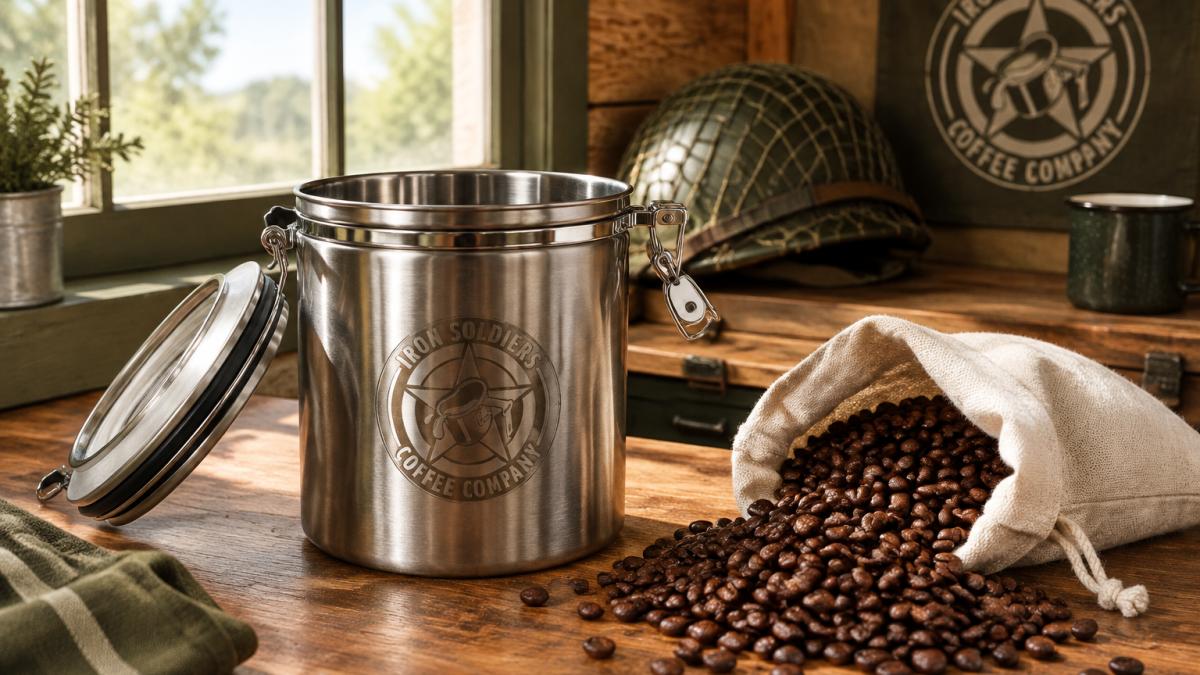
Store beans in an airtight container, in a cool dark place, in whole-bean form, and in a quantity you will finish within a few weeks. For a side-by-side look at container options, see our review of the best coffee bean storage containers.
Matching Storage to Your Bean Quantity
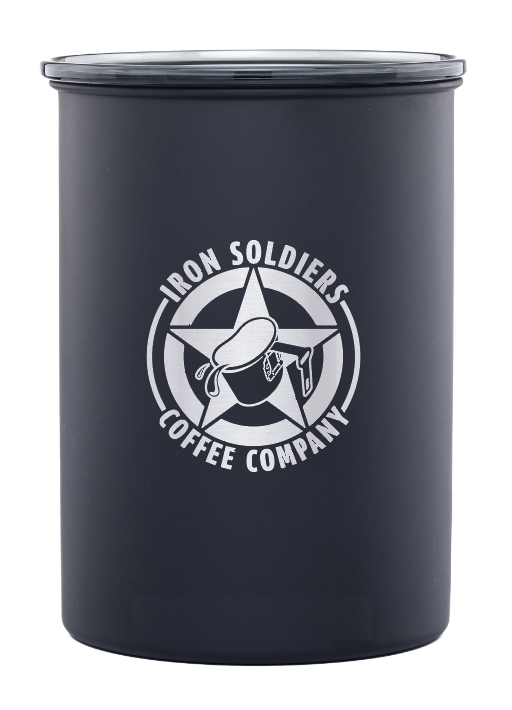
Buy the container to fit your buying habit. A medium canister suits a household that finishes a pound of whole beans within a few weeks. The A210 Airscape Stainless Steel Medium Coffee Container holds one pound of whole bean coffee and uses airtight technology to push oxygen out.
What to Do With Stale Coffee Beans
Do not throw them out. Stale beans still work as a fridge deodorizer, a compost addition, or a garden soil amendment. You can also brew them for baking recipes where coffee is a background note, or grind them coarsely for a body scrub. Keep a small jar of spent beans by the sink for scrubbing pots. Waste not.
How Many Coffee Beans Do I Need for One Cup of Coffee?
A standard cup brewed by the scoop method takes about two level tablespoons of whole beans, which is roughly 10 to 12 grams. That works out to somewhere near 90 to 120 individual beans, depending on size and roast. Measure by weight if you want consistency: a small kitchen scale removes the guesswork and makes your consumption math honest.
Running out of beans is a discipline problem, not a supply problem. Count your stock weekly, respect the roast date, and restock before the rattle turns hollow. Iron Soldiers Coffee Company roasts fresh coffee for people who take their daily cup seriously, and $1 from every bag sold goes to a volunteer-only nonprofit supporting veterans and their families.
Frequently Asked Questions
How can you tell when coffee beans have gone stale?
Stale beans lose their aroma first. Open the bag and if you get little to no smell, the beans are past their prime. In the cup, you will notice flat, dull or papery flavors, and a bitter or burnt taste that lingers. Whole beans also stop releasing gas, so a fresh bag puffs slightly when opened while a stale one sits quiet. Check the roast date too.
How many coffee beans do I need for one cup of coffee?
For a standard 8-ounce cup, plan on roughly 10 grams of whole beans, which works out to about 90 to 120 beans depending on the size of the bean and the roast level. A kitchen scale is more reliable than counting, since dark roast beans weigh less than light roast beans of the same volume. If you brew a stronger 12-ounce mug, bump that up to about 15 grams. Weigh once, and you will know exactly how far your bag will carry you.
Do coffee beans go bad once opened?
They do not spoil in the way food does, but they decline. Once you open the bag, oxygen, moisture, heat and light start working on the oils that carry flavor. Whole beans hold up better than pre-ground coffee because there is less surface exposed. Keep them in an airtight container away from the stove and out of sunlight, and you will protect the freshness for weeks rather than days. Grinding right before brewing is the single biggest gain you can make.
What should you do with stale coffee beans?
Do not throw them out. Then restock with a fresh bag so your daily cup gets back on track.