Is Fresh Roasted Coffee Worth the Extra Cost?
Table of Contents
- The Fresh Roasted Coffee vs Grocery Store Verdict
- Coffee Roast Date Importance: The Science of Freshness
- The Price Per Cup Calculation
- How to Store Coffee Beans to Keep Them Mission-Ready
- Where the Extra Cost Goes: Quality and a Greater Cause
- The Final Assessment: Is the Investment Justified?
- Frequently Asked Questions
Last Updated: September 5, 2026
The Fresh Roasted Coffee vs Grocery Store Verdict
The question of whether fresh roasted coffee is worth the extra cost comes down to a simple tactical assessment: what are you actually getting for your ration points? A bag of mass-market beans sitting on a warehouse shelf for months has already lost the battle before you ever tear it open. Fresh roasted coffee, by contrast, arrives at your position with its full arsenal of flavor intact. At Iron Soldiers Coffee Company, we built our entire operation around this principle, and we are prepared to make the case with evidence rather than hype.
Fresh roasted coffee is coffee that has been roasted recently and allowed only a brief rest before brewing, typically consumed within a few weeks of its roast date. The difference between this and commercial-grade grocery store coffee is not subtle marketing; it is a measurable gap in quality that any drinker can detect.
The verdict is clear: fresh roasted coffee justifies its higher price for anyone who drinks coffee daily, because the cost per serving remains modest while the sensory experience improves dramatically. If you drink one 12-ounce bag per week, you are talking about a difference of only a few dollars per week against a flavor profile that simply cannot be matched by shelf-stable alternatives.
Coffee Roast Date Importance: The Science of Freshness
Coffee roast date importance cannot be overstated, because the clock starts ticking the moment those beans leave the roaster. Roasted coffee releases carbon dioxide for days after roasting, a process called degassing. This matters because CO2 protects the beans from oxygen, and oxygen is the enemy that degrades flavor.
Degassing Timelines by Roast Level: A Technical Briefing
The common advice to "drink it within two weeks" is a useful rule of thumb, but the reality is more nuanced. Different roast levels have different degassing curves, and understanding these timelines is the difference between a good cup and a great one.
Light roasts are the slowest to degas. Their dense cellular structure retains CO2 longer, which means they need a longer rest period before reaching peak flavor. Most specialty roasters recommend resting light roasts 5 to 14 days after the roast date. During this window, the beans are still releasing CO2, and brewing too early results in a flat, under-extracted cup because the escaping gas interferes with proper water contact. The bright, floral, and citrusy notes characteristic of light roasts only fully develop after this resting period.
Medium roasts hit a middle ground. They degas at a moderate rate and typically peak between day 4 and day 10. This is why many roasters suggest that a medium roast is the most forgiving for those new to fresh coffee, it offers a wider window of optimal flavor.
Dark roasts are the most porous. The longer roasting process breaks down the bean's cellular structure, allowing CO2 to escape rapidly. A dark roast may peak as early as day 2 or 3 and will begin to lose its bold, smoky character by the end of the first week. The oils that migrate to the surface of dark roast beans also oxidize faster, accelerating staleness.
The Oxidation Enemy
After the degassing window closes, oxidation takes command. Oxygen attacks the volatile aromatic compounds, the chemicals responsible for coffee's complex flavors, breaking them down into stale, flat-tasting molecules. According to guidance from the Specialty Coffee Association on coffee freshness, coffee is a perishable agricultural product, and its quality degrades steadily after roasting.
A common mistake is assuming that "best by" dates on grocery store bags mean anything. Those dates often reflect shelf stability, not peak flavor. Specialty coffee roasters print actual roast dates because they know their product is perishable. The difference between a roast date and a "best by" date can be months of silent quality loss.
Watch Out
Do not judge freshness by aroma alone. A stale bag of coffee can still smell strong because the remaining compounds are the less volatile, less pleasant ones. The [true test is the bloom](/blogs/news/how-to-tell-if-coffee-is-fresh-roasted): fresh coffee bubbles and expands when hot water first hits it, while stale coffee barely reacts.
Understanding these timelines allows you to plan your coffee supply like a precise operation. Buy beans with a visible roast date, rest them according to their roast level, and consume them within the optimal window. This is not fussy connoisseurship; it is the practical application of coffee chemistry.
The Price Per Cup Calculation
Let us run the numbers like a quartermaster planning rations. A 12-ounce bag of fresh roasted coffee from Iron Soldiers Coffee Company, such as the Sherman Tank Edition at $19.99, yields roughly 20 to 24 cups depending on your brewing method and strength preference.

That works out to approximately $0.83 to $1.00 per cup. A standard 12-ounce bag of grocery store coffee might cost $8 to $12, which translates to roughly $0.35 to $0.60 per cup. The difference is about $0.30 to $0.50 per cup.
Here is what that premium actually buys you:
- Beans roasted days ago, not months ago, with the aromatic compounds intact
- Specialty-grade beans rather than commodity coffee graded for consistency over quality
- A bloom when you pour hot water over fresh grounds, indicating active degassing and proper extraction potential
- The ability to taste distinct origin characteristics rather than a one-note "coffee flavor"
The Full Tactical Ledger: Equipment and Long-Term Costs
Most cost analyses stop at the bag of beans, but a true quartermaster accounts for the entire supply line. The daily cafe habit is the hidden variable that changes the entire equation. A typical cafe latte runs $4.50 to $6.00 per serving. If you buy one cafe coffee each workday, that is $22.50 to $30.00 per week, or roughly $90 to $120 per month. Over a year, that is $1,080 to $1,440.
Now consider the home-brewing arsenal. A quality burr grinder, the single most important piece of equipment for fresh coffee, costs between $50 and $150. A simple pour-over dripper or French press runs $15 to $30. An airtight canister for bean storage is under $20. Total upfront investment: roughly $85 to $200.
Assume you drink two cups per day at home using fresh roasted beans. Your monthly bean cost at $0.83 to $1.00 per cup is approximately $50 to $60. Add the amortized equipment cost spread over a year, and your monthly total is roughly $57 to $77. Compare that to a single daily cafe visit at $90 to $120 per month, and the home operation saves you $13 to $63 every single month.
Even against the cheaper grocery store beans at $0.35 to $0.60 per cup, the monthly difference is only about $15 to $24. That is the price of a single cafe visit. The equipment pays for itself within the first two to three months of daily brewing.
Key Takeaway
The real cost comparison is not fresh versus stale beans. It is the daily cafe run versus a well-equipped home operation. Fresh roasted coffee at home wins on both quality and total cost.
For a daily drinker consuming two cups per morning, the added cost of fresh roasted beans over grocery store coffee is roughly the price of a candy bar per day. The question becomes whether that small daily investment is worth a dramatically better cup. For most people who actually taste the difference side by side, the answer is a decisive yes.
How to Store Coffee Beans to Keep Them Mission-Ready
Once you have made the decision to buy fresh roasted coffee, storage becomes your next tactical priority. Improper storage can destroy a premium bag faster than a direct hit.
The rules are straightforward:
- Keep whole beans, not pre-ground, until the moment of brewing
- Store in an airtight, opaque container away from light
- Keep at room temperature; refrigeration introduces moisture and absorbs odors
- Grind only what you need for each brew
Grind consistency matters because it controls extraction. A blade grinder produces uneven particles, meaning some coffee over-extracts and turns bitter while other portions remain weak. A burr grinder produces uniform particles for balanced extraction. This single equipment upgrade does more for cup quality than almost any other change.
Watch Out
Do not [store coffee](/blogs/news/fresh-vs-grocery-store-coffee) in the freezer for daily use. Each time you remove it, condensation forms on the beans, introducing moisture that accelerates staling. Freezing is acceptable only for long-term storage of beans you will not touch for months, and even then, they must be in an absolutely airtight container.
The equipment investment is modest. A quality burr grinder can be found for $50 to $150, and a simple airtight canister costs under $20. Spread across months of daily brewing, this equipment pays for itself quickly in the form of consistently better cups.
Where the Extra Cost Goes: Quality and a Greater Cause
The premium you pay for fresh roasted coffee does not vanish into thin air. It funds a supply chain that prioritizes quality and ethics over volume. Specialty-grade beans are hand-selected, often purchased through direct trade relationships that pay farmers above commodity rates. This is the difference between knowing exactly where your coffee came from versus buying an anonymous blend of the cheapest available beans.
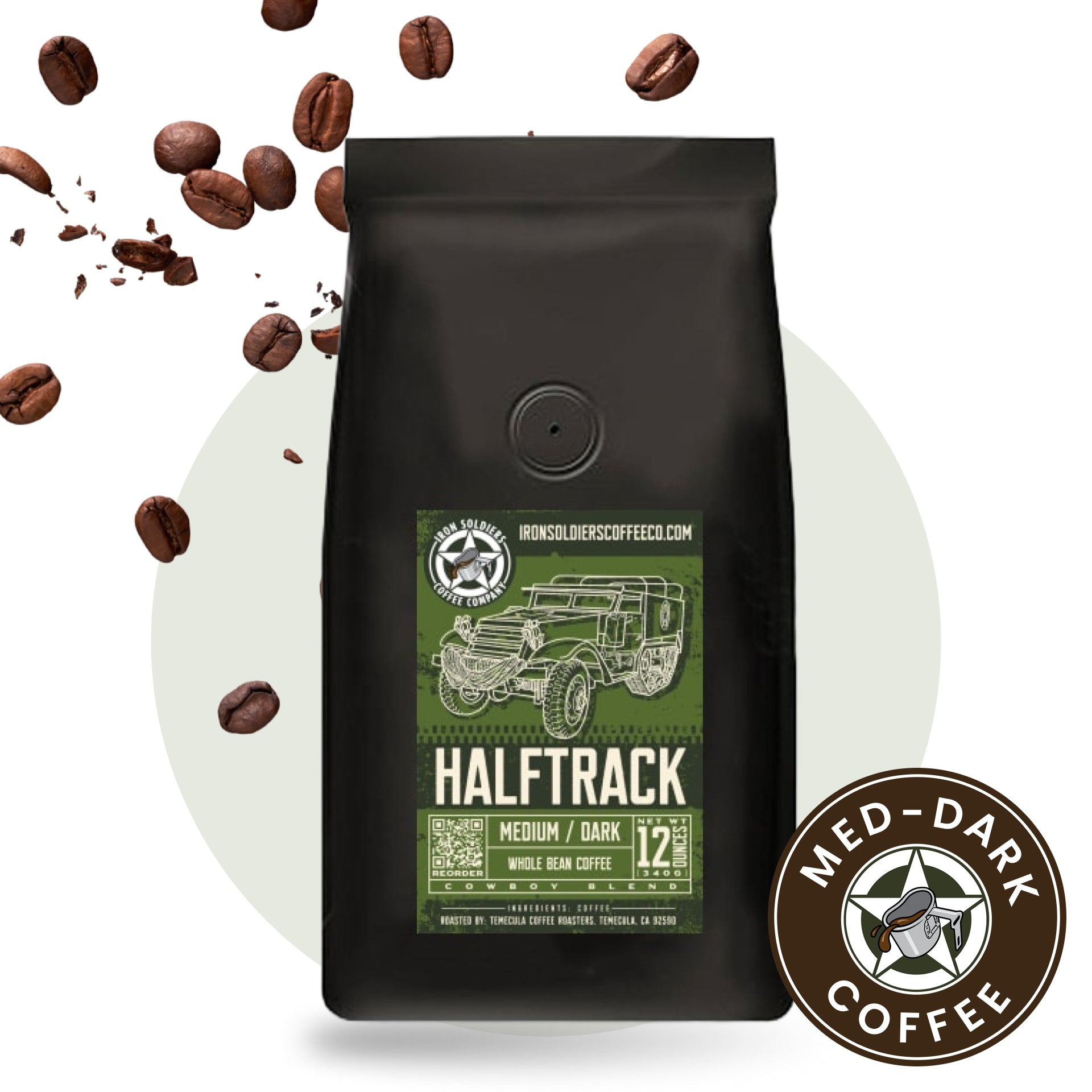
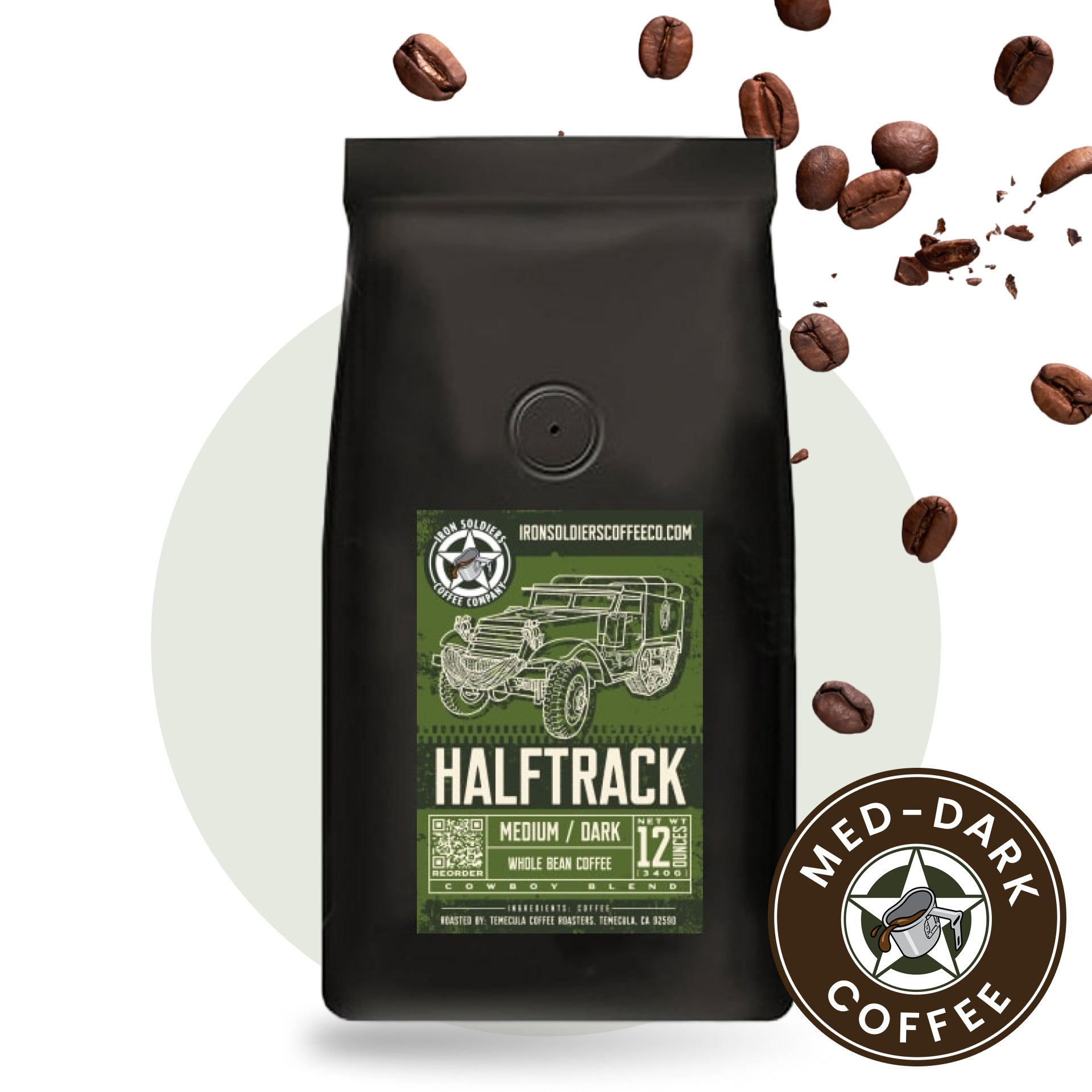
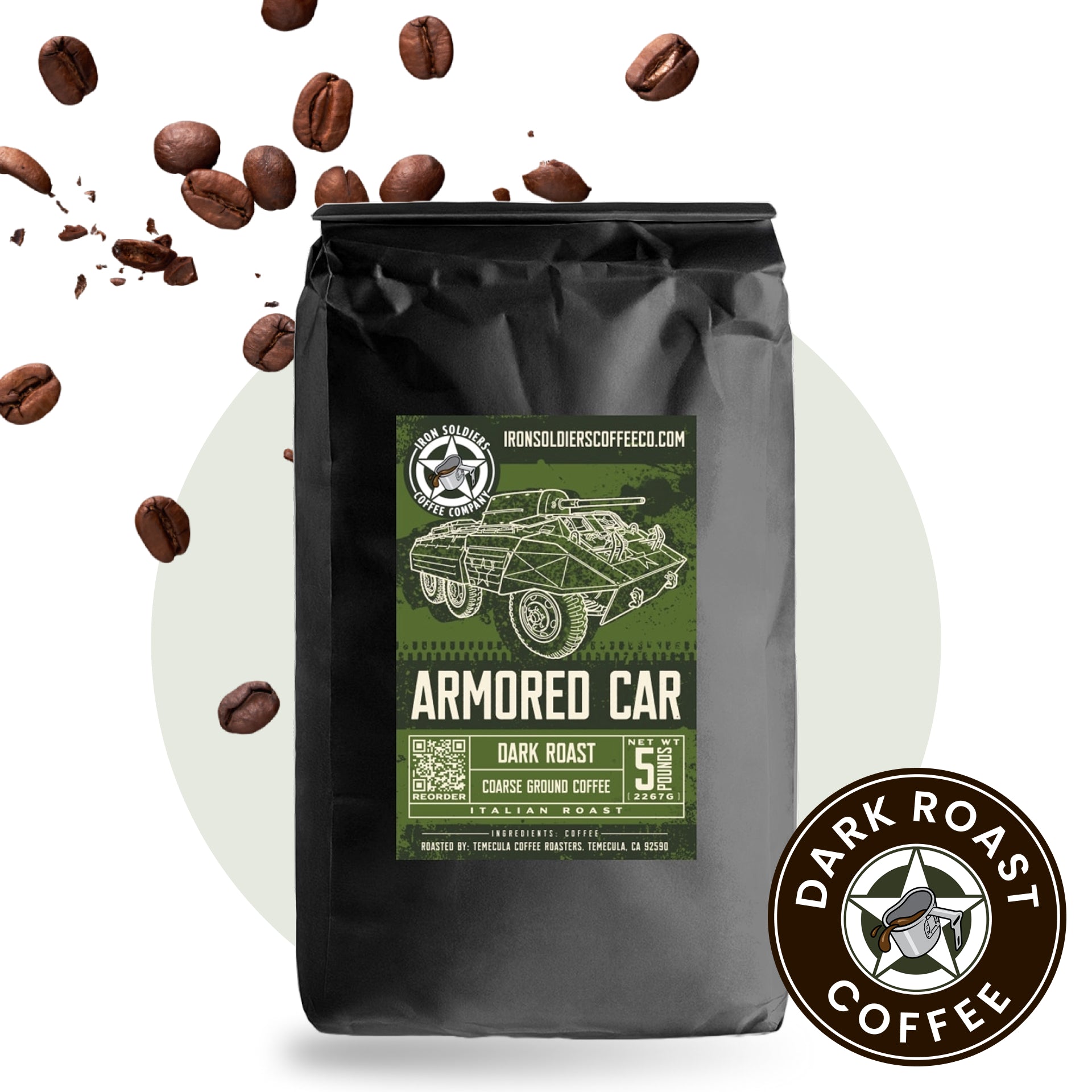
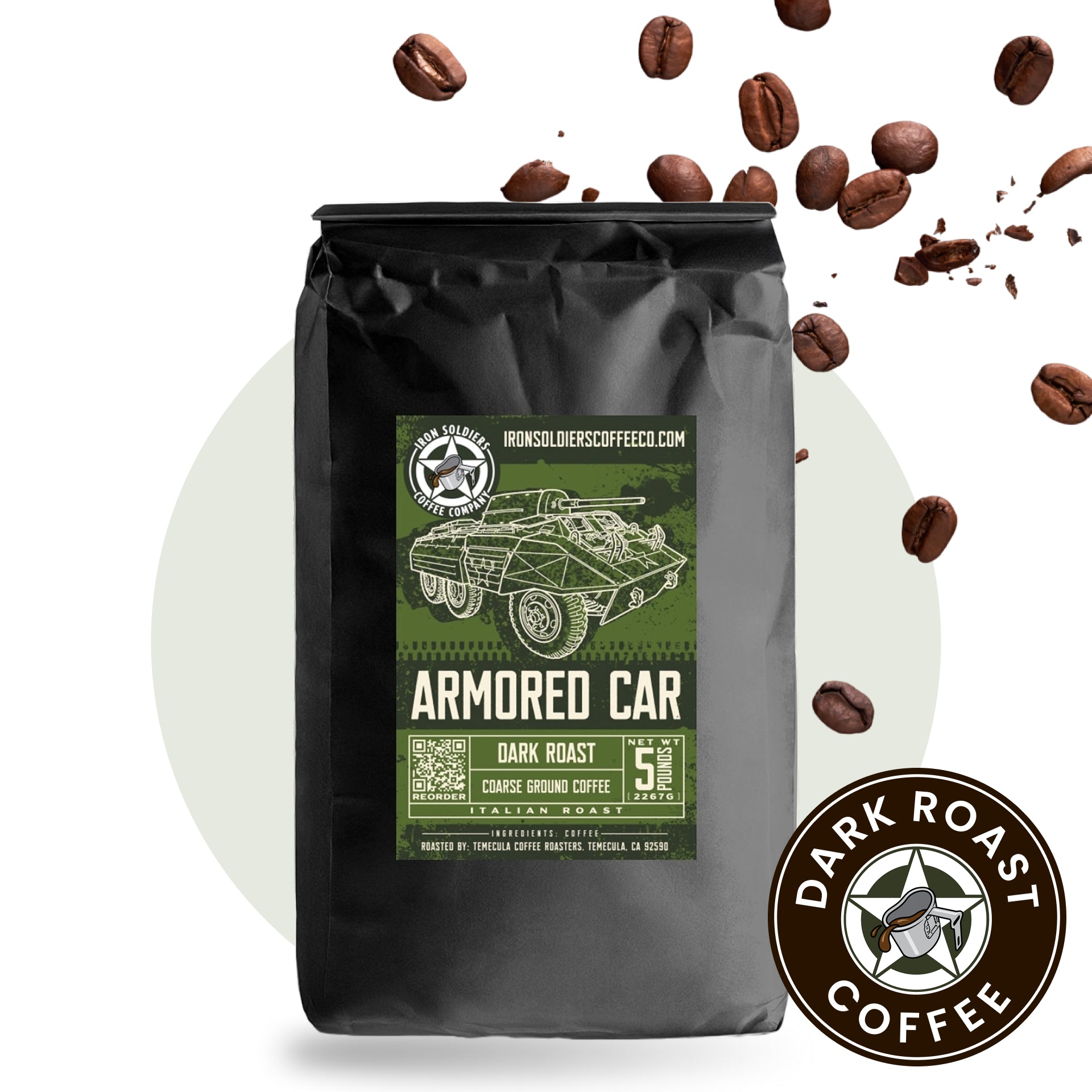
This is where the decision becomes about more than just your palate. When you buy from a mission-driven roaster, your purchase carries weight beyond the cup. At Iron Soldiers Coffee Company, $1 from every bag sold goes directly to a volunteer-only nonprofit supporting veterans and their families. The Armored Car Edition dark roast or the African Espresso blend at $21.00 are not just premium products; they are a form of contribution to those who served.


This changes the value proposition. You are not simply paying more for better coffee. You are paying for a supply chain that treats growers fairly, a roasting process that respects the bean, and a mission that supports people who sacrificed for their country. That is a different calculation entirely.
| Purchase Decision | Cost Per Cup | What You Support |
|---|---|---|
| Grocery store commodity coffee | $0.35 - $0.60 | Large-scale commercial supply chain |
| Fresh roasted, specialty-grade | $0.83 - $1.00 | Direct trade, quality roasting, veteran nonprofits |
The Final Assessment: Is the Investment Justified?
The evidence points to a clear conclusion. Fresh roasted coffee is worth the extra cost for anyone who drinks coffee regularly and cares about what is in their cup. The price difference per serving is small, the quality difference is significant, and the broader impact of your purchase can extend far beyond your kitchen.
Consider the full picture. A bag of grocery store coffee is a product of an opaque supply chain, roasted on an industrial scale, and likely stale by the time it reaches the shelf. A bag of fresh roasted coffee from a specialty roaster is a product of craft, roasted in small batches, and shipped to you within days of reaching its peak flavor. The Dany's D-Day Blend French Roast or the Doc Sims Brew, crafted in partnership with combat-wounded veteran Matthew Sims, represent this difference in tangible form.
The sensory science supports what enthusiasts have claimed for years. As documented by research on coffee staling and volatile compounds, the volatile compounds responsible for coffee's aroma and flavor degrade measurably over time, with the most significant losses occurring in the weeks immediately following roasting. The National Coffee Association's brewing guidelines similarly emphasize using freshly roasted, freshly ground beans for optimal results.
If you drink coffee every day, you owe it to yourself to try the difference at least once. Buy a bag of fresh roasted coffee with a visible roast date, brew it properly, and compare it directly against your usual grocery store brand. The gap will be obvious.
For those ready to make the switch, Shop All Coffee at Iron Soldiers Coffee Company offers blends ranging from light to dark roasts, each roasted fresh and shipped promptly. Every bag supports a greater cause, making each cup a small act of service in its own right. The investment is justified on flavor alone. The mission makes it a decision you can feel good about with every sip.
Frequently Asked Questions
Is fresh roasted coffee better than grocery store coffee?
Yes, for most drinkers. Fresh roasted coffee has a roast date, meaning it hasn't been sitting in a warehouse for months. As coffee ages, it loses volatile aromatic compounds and goes stale. A fresh batch delivers a more complex flavor profile with brighter acidity and a fuller body. Grocery store coffee often lacks a roast date entirely, signaling it may be many months past its peak. The difference is noticeable even in a basic drip brewer.
How long does coffee stay fresh after the roast date?
Coffee is at its peak flavor between 4 and 14 days after roasting. This window allows for proper degassing, where carbon dioxide escapes, preventing a sour or overly bubbly extraction. After about a month, the coffee will start to taste flat as oxidation takes hold. For the best sensory experience, buy whole beans with a visible roast date and grind them just before brewing. Proper storage in an airtight container extends this freshness window.
What is the price per cup difference for fresh roasted coffee?
A 12-ounce bag of specialty-grade fresh roasted coffee at $19.99, like the Sherman Tank Edition, yields roughly 20 to 24 cups, putting the cost at about $0.83 to $1.00 per cup. That is only 20 to 50 cents more per cup than commercial grade coffee from the supermarket. For that small increase, you get a superior flavor profile and, with brands like Iron Soldiers Coffee Company, a direct donation to a veteran-focused nonprofit.
How should I store coffee beans to keep them fresh?
Treat your beans like sensitive intel. Keep them in an airtight, opaque container at room temperature, away from heat, light, and moisture. Do not store them in the refrigerator or freezer, as this introduces moisture and can cause the beans to absorb other odors. Only grind what you need for each brew, as whole beans retain their aroma and carbon dioxide much longer than pre-ground coffee.
This article was written using GrandRanker
Related post
21
Oct
20
Oct