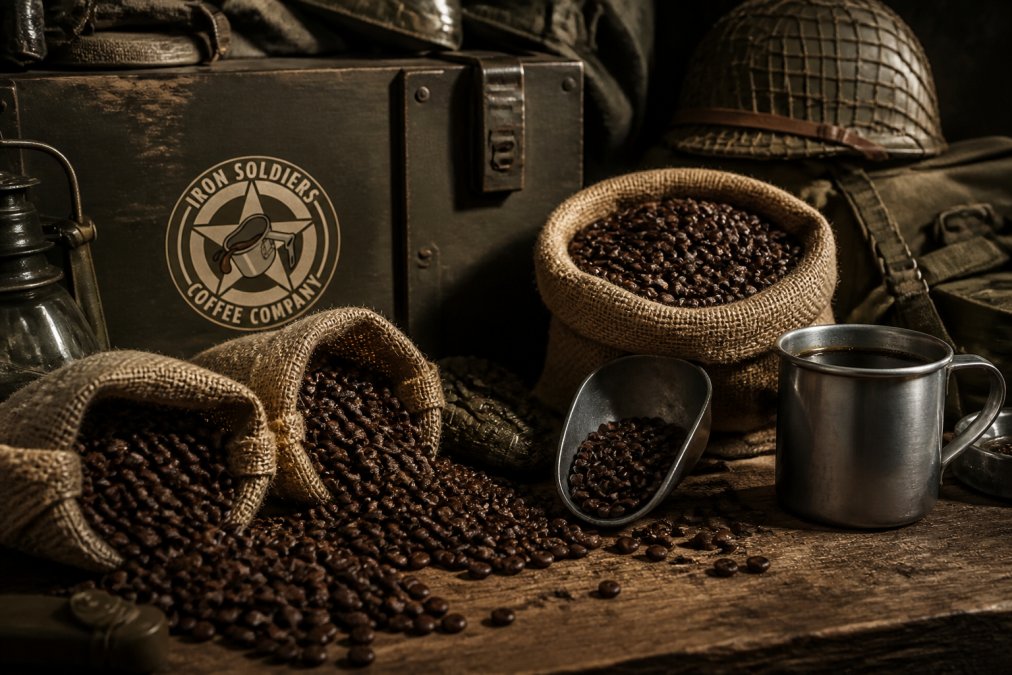
Why Premium Coffee Costs More: A Soldier's Guide
Table of Contents
- The Global Supply Chain Front: Why Premium Coffee Costs More
- Climate Change and Crop Yield: The Battle for Bean Quality
- Specialty Coffee Price Factors: From Farm to Cup
- How to Choose Fresh Coffee Beans: A Strategic Approach
- Benefits of Small Batch Coffee Roasting: Quality Over Volume
- Fair Trade and Farmer Compensation: Paying the Real Price
- Conclusion: The True Cost of Excellence
Last Updated: August 18, 2026
The Global Supply Chain Front: Why Premium Coffee Costs More
Premium coffee costs more because the entire supply chain operates under stricter standards than commodity-grade alternatives. Specialty-grade beans require careful handling at every stage. A single shipment delay, port congestion, or weather event ripples through the entire system, affecting availability and cost. Small-batch roasters who prioritize quality absorb these pressures rather than cutting corners on bean selection or roasting precision.
Premium coffee travels through multiple intermediaries, exporters, importers, distributors, roasters, each adding handling costs. Commodity coffee moves through bulk channels with minimal oversight. The difference in shipping rates, storage conditions, and documentation requirements adds measurably to your final price.
Pro Tip
Track the origin of your coffee. [Single-origin beans from specific regions](/products/peru) command higher prices because they're traceable through the entire supply chain, meaning accountability at every step from harvest to roast.
Climate Change and Crop Yield: The Battle for Bean Quality
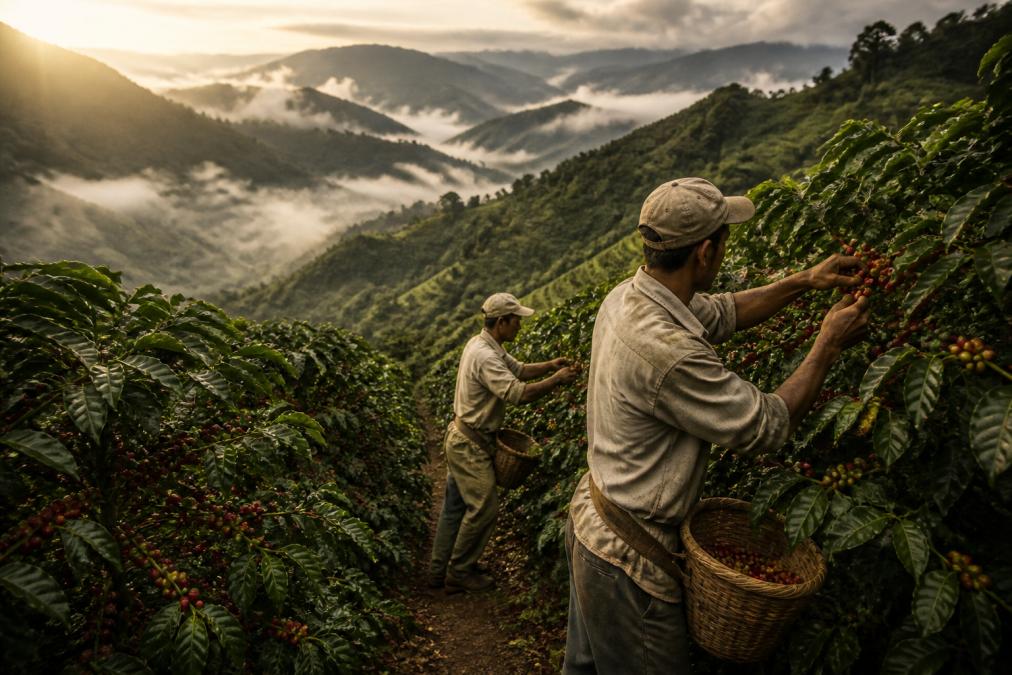
Climate change has fundamentally altered coffee production worldwide. Rising temperatures, erratic rainfall, and shifting growing seasons have reduced crop yields in traditional coffee-producing regions. Premium coffee costs more partly because climate pressures have made high-quality beans increasingly scarce.
High-altitude farming, where the finest specialty coffees originate, faces particular stress. Temperature fluctuations damage young plants and reduce bean density. When crop yields decline, farmers must increase prices to maintain profitability. Climate variability forces farmers to invest in adaptive infrastructure: irrigation systems, shade structures, and soil management. These investments increase production costs, which flow directly into the wholesale price of green coffee beans that roasters purchase.
Key Takeaway
Climate-resilient farming practices are expensive. Farmers investing in sustainable methods to combat climate change pass these costs through the supply chain to you. This is the true cost of future-ready coffee.
Specialty Coffee Price Factors: From Farm to Cup
Multiple forces compound to make specialty coffee more expensive than commodity alternatives. Understanding these factors reveals why premium pricing isn't arbitrary, it's the result of deliberate choices at every stage.
Processing Methods: The Hidden Price Driver
How coffee cherries are processed after harvest fundamentally shapes flavor complexity and price. Washed (wet) processing removes the cherry fruit immediately after harvest, requiring significant infrastructure: clean water sources, fermentation tanks, and controlled drying facilities. Fermentation windows are narrow, and improper management ruins entire lots. Natural (dry) processing leaves the entire cherry intact during drying, requiring weeks of careful monitoring to prevent mold or over-fermentation. Honey (pulped natural) processing removes the cherry skin but leaves the sticky mucilage layer during drying. Each processing method can account for 20-40% of the wholesale price difference between specialty and commodity beans.
Commodity Market Volatility vs. Specialty Stability
Commodity coffee futures contracts trade on exchanges where financial speculators drive price swings based on weather forecasts and currency fluctuations, not actual supply changes. Specialty roasters establish long-term contracts with farmers or importers, locking in prices months or years in advance. This stability costs more upfront but protects supply chain integrity and allows confident investment in quality.
Fertilizer, Soil Management, and Terroir Preservation
Specialty coffee farming requires specific nutrient profiles that standard fertilizers cannot deliver. Premium beans develop distinctive flavor characteristics through soil composition, the mineral content, pH balance, and microbial ecosystem that define terroir, the geographic signature of a coffee's origin. Specialty farming invests in soil health through cover crops, composting, and selective nutrient applications. These practices increase production costs but preserve the terroir that makes specialty beans distinctive.
Logistics and Traceability Infrastructure
Specialty coffee requires temperature-controlled shipping, careful handling at each transfer point, and documentation tracking beans from farm through roaster. Specialty importers maintain relationships with specific farms, verify harvest dates and processing methods, conduct cupping (professional tasting) to confirm quality, and document everything. Consumers buying single-origin specialty coffee are paying for this accountability system.
Pro Tip
When evaluating specialty coffee pricing, ask about processing method. Natural, honey, and washed coffees have different cost structures and flavor profiles. Understanding this distinction helps you recognize whether premium pricing reflects genuine specialty production.
Bean Grading and Defect Sorting
Specialty-grade beans are sorted meticulously by size, density, and visual inspection. In specialty coffee, even a single defective bean is unacceptable because it can compromise the entire cup. This grading process requires trained personnel, specialized equipment, and time. The labor cost per pound is substantially higher for specialty beans.
Key Takeaway
Specialty coffee costs more because it operates under stricter standards at every processing and handling stage. Processing method selection, traceability infrastructure, and meticulous grading are the foundation of specialty coffee's distinctive quality.
How to Choose Fresh Coffee Beans: A Strategic Approach
Selecting fresh coffee beans requires understanding what separates genuine specialty coffee from marketing hype. Your purchasing decisions directly influence whether you're paying premium prices for premium quality.
Roast Date and Freshness Windows
Fresh coffee beans should have been roasted within the past two weeks. Beans roasted months ago have lost volatile compounds that create complexity and brightness. Optimal flavor typically emerges 5-10 days post-roast, when degassing is complete but volatile compounds remain intact. Store roasted beans in airtight containers away from heat and light. Whole beans remain fresher longer than ground coffee because grinding dramatically increases surface area, accelerating oxidation.
Single-Origin vs. Blends: Reading the Supply Chain
Single-origin beans offer transparency that blends often lack. When a coffee is labeled "Peru" or "Ethiopian Yirgacheffe," you know exactly where those beans originated. Single-origin coffees reflect terroir, the altitude, soil composition, climate, and farming practices of their specific region. Ask your roaster which processing method was used for single-origin beans, this helps you predict flavor profile and choose brewing methods accordingly.
Certifications: What They Actually Guarantee
Fair Trade certification confirms that farmers received equitable compensation through independent auditing and documented pricing agreements. Organic certification indicates the coffee was grown without synthetic pesticides or fertilizers. The most meaningful certification for flavor quality is specialty-grade status from the Specialty Coffee Association (SCA). SCA grading is based on cupping scores, professional tasting evaluations that assess flavor, aroma, acidity, body, and balance. Beans scoring 80 points or higher are considered specialty-grade.
Pro Tip
Look for roasters who display SCA cupping scores on their bags. A score of 85+ indicates exceptional quality. Scores in the 80-84 range represent solid specialty coffee.
Roaster Transparency and Sourcing Accountability
Consider the roasting company's transparency about sourcing. Do they name their farmers or cooperatives? Can they describe the processing method? Specialty roasters who invest in premium beans are eager to share this information because it justifies their pricing and builds customer trust. Ask whether the roaster has direct relationships with farmers or works through importers. Request information about the roaster's cupping process.
Matching Bean Characteristics to Your Brewing Method
Premium coffee's value depends partly on brewing method. For pour-over brewing, choose single-origin beans with bright acidity and complex flavor notes. For French press, choose beans with fuller body and lower acidity. For espresso, choose beans specifically labeled for espresso or blends designed for espresso machines. For cold brew, choose beans with lower acidity and fuller body.
Watch Out
Beware of coffee marketed as "premium" that carries commodity-level pricing. Genuine specialty coffee reflects the actual costs of production, import, and roasting. If the price seems too low, the bean quality or roasting precision has been compromised.
Yield Optimization: Maximizing Value Per Gram
Premium coffee's higher cost makes yield optimization strategically important. Grind size is the primary lever. Finer grinds increase surface area, accelerating extraction. Water temperature matters significantly, optimal extraction occurs between 195-205°F. Brew ratio (coffee to water) directly affects strength and extraction. A standard ratio is 1:16 (1 gram coffee to 16 grams water), but specialty coffee often benefits from slightly higher ratios (1:15 or 1:14) to highlight flavor complexity. By optimizing these variables, you can extract more flavor from each gram of premium coffee, effectively reducing your cost per excellent cup.
Benefits of Small Batch Coffee Roasting: Quality Over Volume
Small-batch roasting allows precise control over temperature, airflow, and roasting duration. Each batch receives individual attention. A roaster can adjust roasting parameters mid-batch if needed, responding to how those specific beans are developing. Mass-market roasting processes hundreds of pounds simultaneously in industrial drums, with minimal adjustment possible.
This precision directly impacts flavor development. Specialty beans contain volatile compounds that create brightness, acidity balance, and complex notes. Small-batch roasting preserves these compounds through careful heat management. Industrial roasting often destroys these delicate flavors through excessive heat or prolonged roasting times.
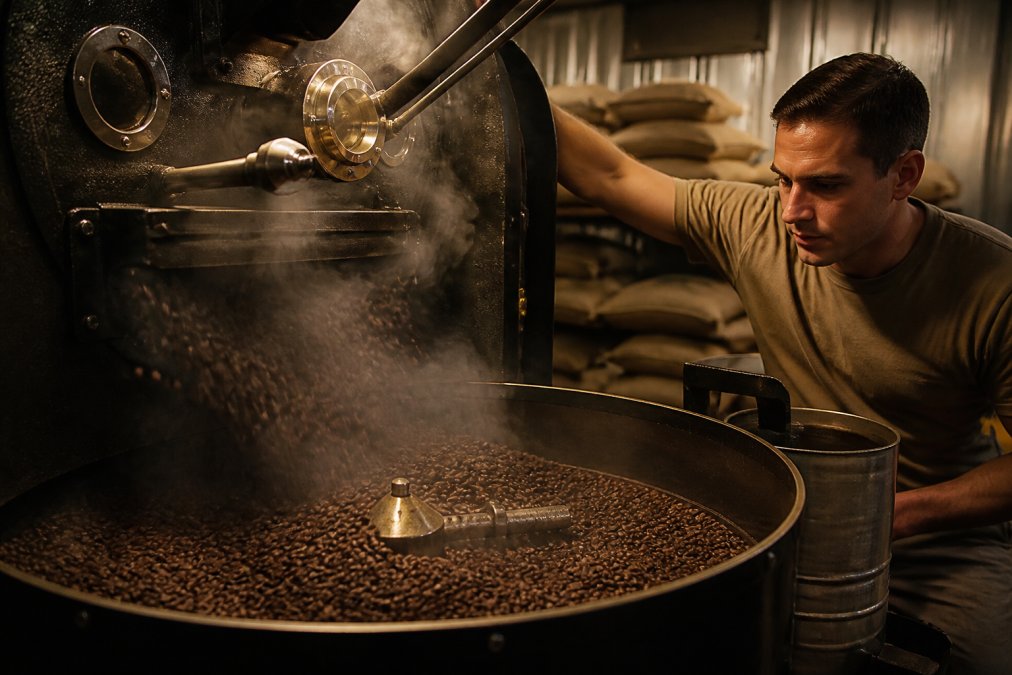
The economics of small-batch roasting necessarily increase costs. A roaster processing 50 pounds per batch incurs higher labor costs per pound than one processing 500 pounds. Equipment designed for precision small batches costs more to operate and maintain. Iron Soldiers Coffee Company's Sherman Tank Edition and African Espresso blends exemplify small-batch roasting principles. Each blend is roasted to order, ensuring maximum freshness. Small-batch roasting also enables specialty producers to work with limited-quantity beans, allowing specialty roasters to pursue the finest beans available, regardless of quantity.

Fair Trade and Farmer Compensation: Paying the Real Price
The true cost of premium coffee includes ensuring farmers receive equitable compensation for their labor and expertise. Commodity coffee pricing often leaves farmers earning less than production costs. Fair Trade certification establishes a price floor, a minimum amount roasters must pay farmers regardless of commodity market fluctuations. Fair Trade premiums also fund community development projects: schools, healthcare facilities, and infrastructure improvements in coffee-producing regions.
Many specialty roasters establish direct relationships with specific farmer cooperatives. These direct-trade relationships often provide even better compensation than Fair Trade certification requires. Roasters visit farms, understand growing conditions firsthand, and negotiate prices that reflect the true value of specialty-grade beans. These relationships require investment in communication and relationship-building, costs that appear in your final coffee price.
Pro Tip
Ask your coffee roaster about their farmer relationships. Specialty roasters who can name their suppliers and describe their farming practices are demonstrating the transparency that justifies premium pricing.
Coffee farmers deserve compensation that reflects their skill, risk, and labor. Premium coffee costs more because it respects farmers as skilled professionals.
Conclusion: The True Cost of Excellence
Premium coffee costs more because excellence demands it. From climate-stressed farms investing in adaptive practices, through specialty roasters operating small batches with precision equipment, to Fair Trade systems ensuring farmer compensation, every element of specialty coffee production reflects deliberate choices to prioritize quality over volume.
Understanding these factors transforms your perspective on coffee pricing. You're not paying extra for branding. You're investing in traceable beans from specific regions, roasted with precision within days of your purchase, with farmers compensated fairly for their expertise and labor.
Iron Soldiers Coffee Company honors this commitment to quality. Our blends reflect our dedication to sourcing premium beans and roasting them with precision. Every bag supports our mission-driven model, ensuring your coffee purchase serves a purpose beyond your morning cup.
Frequently Asked Questions
Why has coffee suddenly become so expensive?
Premium coffee costs more due to multiple converging pressures. Global supply chain disruptions have increased shipping rates and logistics costs. Climate change has reduced crop yields in major growing regions, creating scarcity. Commodity market volatility has driven up green coffee prices. Additionally, specialty coffee requires higher-quality beans, more careful processing, and small-batch roasting, all labor-intensive operations that command premium pricing. These factors compound to make specialty coffee significantly more expensive than mass-market alternatives.
What are the main specialty coffee price factors I should understand?
Several specialty coffee price factors determine final cost. High-altitude farming requires more labor and faces greater environmental challenges, increasing production costs. Fertilizer prices and shipping rates have surged globally. Fair trade practices ensure farmers receive fair compensation, adding cost but supporting sustainability. Bean quality, determined by processing methods and origin, affects pricing substantially. Small-batch roasting produces superior flavor but costs more per pound than mass-market roasting. Market conditions, including speculative trading and import tariffs, also influence what you pay at checkout.
How do I choose fresh coffee beans that justify the higher investment?
When you choose fresh coffee beans, look for roast dates rather than expiration dates, fresh beans should be roasted within the last two weeks. Check the origin and altitude; high-altitude beans command higher prices because they develop more complex flavors. Single-origin coffees reflect their terroir and are typically pricier than blends. Small-batch roasters often provide transparency about their sourcing and processing methods. Specialty-grade beans (the highest quality classification) cost more but deliver noticeably better flavor. Start with medium roasts if you're new to premium coffee, they showcase bean characteristics better than dark roasts.
Why should I pay more for small-batch roasted coffee?
Small-batch coffee roasting delivers superior quality because roasters can control temperature and timing precisely for each batch. Mass-market roasters sacrifice flavor consistency to maximize volume. Small-batch operations allow roasters to work with specialty-grade beans that would be wasted in industrial settings. The result is coffee with more nuanced flavor, better freshness, and greater complexity. When you invest in small-batch roasted coffee, you're paying for craftsmanship, attention to detail, and beans roasted to order, not sitting in warehouses for months. The flavor difference is substantial enough that most specialty coffee drinkers notice immediately.
Ready to experience the difference that specialty roasting and fair farmer compensation create? Shop All Coffee and discover why premium coffee costs more, and why it's worth every penny.
This article was written using GrandRanker
Related post

21
Oct
20
Oct