How to Choose Coffee Beans for Cold Brew at Home
Table of Contents
- Why Bean Selection Decides Your Cold Brew
- The Best Roast for Cold Brew: Dark vs. Medium vs. Light
- Single Origin vs. Blends for Cold Brew
- Grind Size, Freshness, and Storage: The Support Gear
- Cold Brew Coffee Ratio: Getting the Numbers Right
- How Long to Steep Cold Brew for Peak Flavor
- Decaf, Processing Methods, and Concentrate vs. Ready-to-Drink
- Conclusion
- Frequently Asked Questions
Last Updated: October 1, 2026
Why Bean Selection Decides Your Cold Brew
Learning how to choose coffee beans for cold brew at home starts with one fact: cold water extracts differently than hot water. It pulls sweetness and body slowly and leaves harsh bitterness behind. At Iron Soldiers Coffee Company, we roast with that slow extraction in mind.
Specialty Coffee Association brewing standards
The Best Roast for Cold Brew: Dark vs. Medium vs. Light
The best roast for cold brew is medium to dark, because those beans carry the chocolate and caramel sweetness cold water extracts most efficiently. Light roasts can work, but demand more attention to grind and time.
Dark Roast: Bold, Chocolatey, Low Acidity
Dark roast beans are roasted longer, developing deep chocolate notes, a syrupy body, and lower acidity. Cold water pulls those roasted sugars forward fast, giving a bold, almost smoky cup that stands up to milk and ice. For a concentrate that holds character for a week in the fridge, start here.
Medium Roast: The Balanced Middle Ground
Medium roast is the safest bet for most home brewers. It keeps enough sweetness for cold extraction while preserving some brightness and aroma. Our Colombia medium roast shows what this looks like in practice, with dried orange, sweet berries, and smooth chocolate in the cup.
Light Roast: Bright and Fruity, but Tricky
Light roasts carry citrus acidity and floral notes cold water struggles to pull out. Steep too short and you get sour, underdeveloped coffee; too long and tannins turn bitter. Excellent, but not the place to start.
| Roast Level | Flavor Profile | Cold Brew Difficulty | Best For |
|---|---|---|---|
| Dark | Chocolate, smoky, bold body | Easy | Concentrate, milk drinks |
| Medium | Balanced, nutty, mild sweetness | Easy | Everyday drinking |
| Light | Fruity, floral, citrus acidity | Hard | Experienced brewers |
Single Origin vs. Blends for Cold Brew
Single origin and blends solve different problems, and the right call depends on whether you brew a concentrate or a ready-to-drink batch. A single origin gives one clear profile traceable to a farm and region. A blend gives consistency, offsetting one bean's weakness with another's strength. Treat this as mission planning, not a coin flip.
When Single Origin Wins
Pick a single origin when you want a specific flavor profile and are willing to brew around it. A washed Colombian or Peruvian bean delivers clean sweetness and predictable extraction. Our Peru medium roast brings salted caramel and citrus in a cup that cold-brews cleanly. Single origins also let you taste how processing methods change a bean, which is the fastest way to build real tasting skill.

When Blends Win
Blends win for daily drinking and anyone who wants the same result every batch. A good blend balances body, sweetness, and acidity so no single note dominates.
Processing Methods: The Variable Most Guides Skip
Before choosing origin or blend, check the processing method. It shapes flavor before roasting, and cold brew's long steep amplifies the difference.
- Washed (wet) process: Fruit is removed before drying. Clean, bright, predictable, the safest choice for a first cold brew or a concentrate needing clarity.
- Natural (dry) process: The bean dries inside the fruit. Heavier fruit, fermented sweetness, bigger body. Excellent in cold brew but less forgiving; a slightly over-fermented natural tastes boozy or muddy after 18 hours in the fridge.
- Honey process: Between the two. Mucilage stays on during drying, giving sweetness and a rounder body without the full funk of a natural. A good middle ground for more character than washed with less risk than natural.
A Simple Decision Framework
Use this to pick your bean based on what you are actually brewing:
| If you are brewing... | Choose... | Because... |
|---|---|---|
| A high-strength concentrate (1:4-1:8) | Single origin, washed or natural | Clear identity survives dilution |
| A ready-to-drink batch (1:12-1:15) | Blend | Balance matters more than a single note |
| A first batch | Washed single origin or balanced blend | Predictable, forgiving |
| A weekend experiment | Natural or honey process | Distinctive flavor, worth the risk |
| A week of daily drinking | Blend | Consistency batch to batch |
Key Takeaway
Match the bean to the format: single origins for concentrate, blends for ready-to-drink, and always check the processing method before you commit.
Grind Size, Freshness, and Storage: The Support Gear
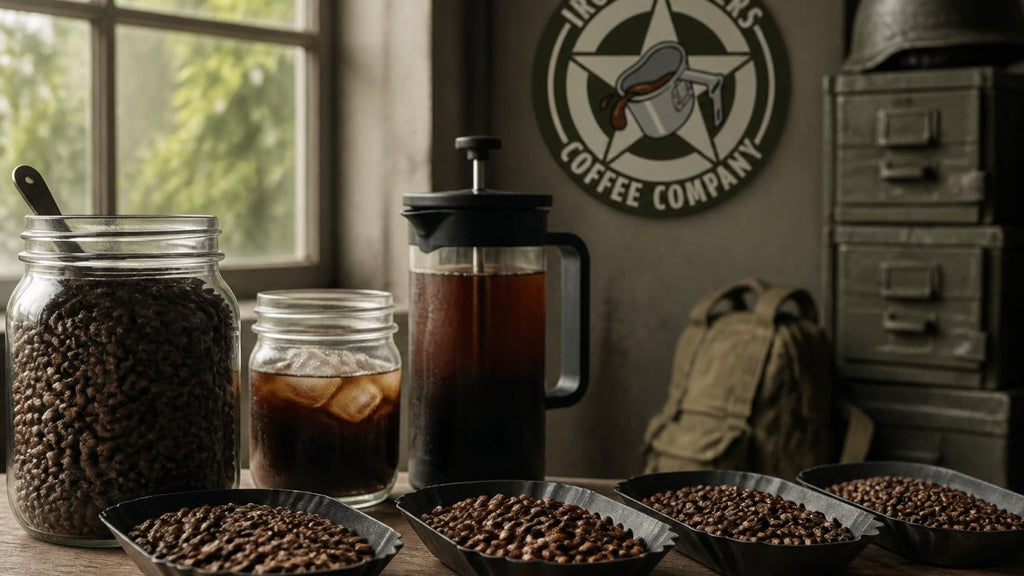
Grind size is the biggest variable you control after bean choice. Cold brew needs a coarse grind, roughly raw sugar or sea salt. Too fine over-extracts bitterness and grit; too coarse gives a weak, watery batch.
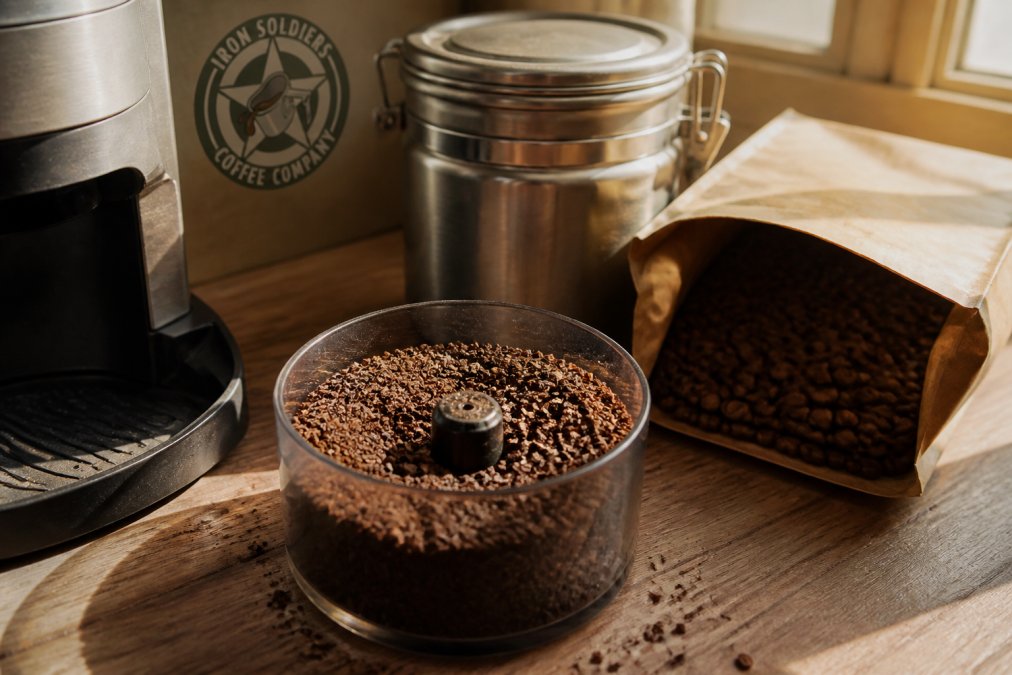
- Coarse grind, raw-sugar texture
- Burr grinder for uniform particles
- Roast date within 2-4 weeks
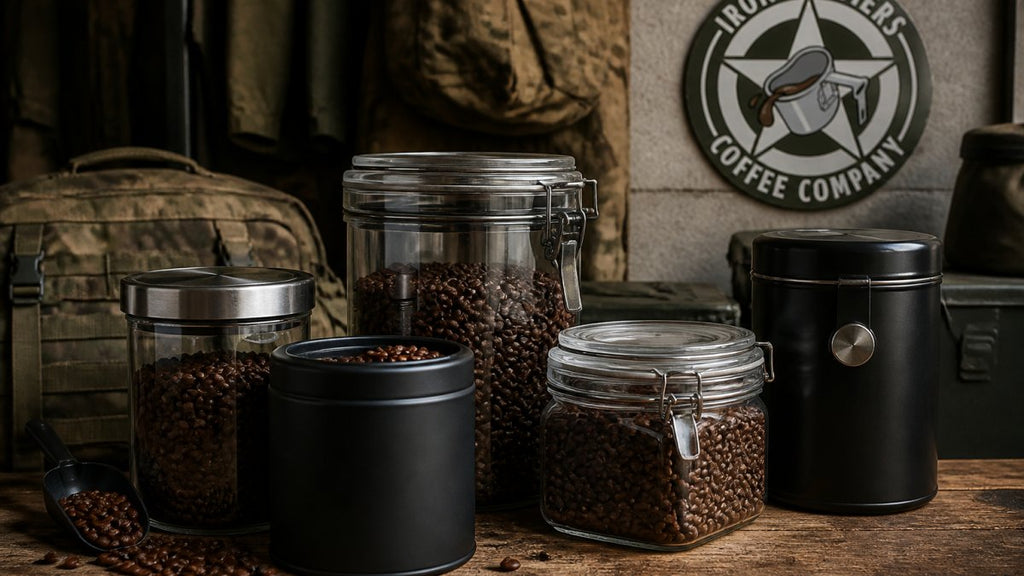
- Airtight, dark, room-temperature storage
- Grind immediately before brewing
Cold Brew Coffee Ratio: Getting the Numbers Right
The cold brew coffee ratio that works for most home brewers is 1:8 by weight for a concentrate and 1:15 for a drink-now batch. Weigh coffee in grams and water in milliliters for consistency.
Here is how the numbers play out:
| Style | Coffee : Water | Result | Dilution |
|---|---|---|---|
| Concentrate | 1:4 to 1:8 | Strong, syrupy | 1:1 with water or milk |
| Ready to drink | 1:12 to 1:15 | Balanced | None |
| Light, iced | 1:16 to 1:18 | Delicate | Serve over ice |
Pro Tip
Brew your concentrate at 1:8, then dilute to taste in the glass rather than in the batch. You can always add water, but you cannot take it out.
How Long to Steep Cold Brew for Peak Flavor
How long to steep cold brew depends on grind and temperature. At room temperature, 12 to 16 hours is the sweet spot; in the refrigerator, stretch to 18 to 24 hours for the same strength.
A simple way to dial it in:
- Start at 14 hours at room temperature with a coarse grind.
- Taste at hour 12, then every two hours.
- Stop when sweetness peaks and before bitterness shows up.
- Note the time and grind for your next batch.
Decaf, Processing Methods, and Concentrate vs. Ready-to-Drink
Decaf, processing method, and brewing format each change which bean you should buy. Treat them as three separate briefings.
Decaf Cold Brew: A Different Bean Entirely
Decaf cold brew demands a different selection approach. Decaffeination removes caffeine along with compounds that give coffee body and sweetness, so a decaf bean that tastes fine hot can taste thin after a cold steep.
Choose a decaf that names its process:
- Swiss Water Process: Uses water, temperature, and carbon filters to strip caffeine without chemical solvents. Clean flavor, no solvent aftertaste. The most common choice for specialty decaf.
- CO2 Process: Uses pressurized carbon dioxide to extract caffeine. Preserves more of the bean's original character than older methods, and is often the better pick for single-origin decaf.
- Solvent-based methods (methylene chloride, ethyl acetate): Older and less common in specialty coffee. If a bag does not name its process, assume this and look elsewhere.
Processing Methods: How They React to a Long Cold Steep
Processing shapes flavor before roasting, and cold brew's 12-to-24-hour steep amplifies every difference.
- Washed beans taste clean and bright. In cold brew, they give you clarity and predictable extraction, the safest choice for a first batch or a concentrate you plan to dilute.
- Natural beans dry inside the fruit, carrying heavier fruit and fermented sweetness. In cold brew, they build body fast, but they are less forgiving. A natural that is slightly over-fermented will taste boozy or muddy after a long steep. Shorten the steep and taste early.
- Honey-process beans sit between the two. The mucilage stays on during drying, giving sweetness and a rounder body without the full funk of a natural. A good middle ground for brewers who want more character than a washed bean but less risk than a natural.
Concentrate vs. Ready-to-Drink: Different Beans for Different Missions
The format you brew changes which bean to buy.
Concentrate (1:4 to 1:8) is brewed strong and diluted later, so the bean's identity must survive the concentration. Choose a clear, bold profile: dark or medium-dark roasts, single origins with distinct character, or blends built around a Brazil or Sumatra base. Avoid delicate light roasts, their floral and citrus notes read sour after dilution. A natural-process bean works well here because its fruit and body hold up to the strength.
| Format | Ratio | Best Bean | Why |
|---|---|---|---|
| Concentrate | 1:4-1:8 | Dark/medium-dark, single origin or bold blend | Identity survives dilution |
| Ready-to-drink | 1:12-1:15 | Medium roast, balanced blend | Balance for a full glass |
| Decaf concentrate | 1:8 | Swiss Water or CO2 decaf, medium-dark | Body holds up, no flatness |
| Decaf ready-to-drink | 1:12-1:15 | Swiss Water decaf blend | Smooth, drinkable |
Watch Out
Never squeeze or press the grounds when you strain. That forces fine particles and bitter compounds into the concentrate, and no amount of dilution fixes it.
Key Takeaway
Decaf, processing method, and format are not afterthoughts, they are selection criteria. Name your decaf process, match the processing method to your steep time, and pick the bean for the format you are actually brewing.
Conclusion
Choosing beans for cold brew comes down to matching the bean to the method: medium to dark roast for reliable sweetness, coarse grind for clean extraction, and a ratio you actually measure. Get those three right and the rest is refinement.
Frequently Asked Questions
What type of coffee beans should I use for cold brew?
Use whole beans you grind coarse right before brewing. Medium and dark roasts work best because cold water pulls less acidity, so the cup stays smooth. Single origins like Colombia or Guatemala give you clear flavor notes, while blends deliver consistency. Avoid pre-ground coffee: it goes stale fast and often sits too fine, which leads to a muddy, bitter batch.
What is the best roast for cold brew if I want low acidity?
Dark roast is your safest bet for low acidity. The longer roasting time breaks down more of the acids, and cold extraction does the rest. A dark roast with chocolate notes and a heavy body holds up well over ice and milk. Medium roasts also work if you want more sweetness and fruit, but expect a touch more brightness in the finished cup.
How long should I steep cold brew, and what ratio do I use?
Steep coarse-ground coffee in cold water for 12 to 18 hours. Go 12 to 14 hours for a cleaner, brighter cup; push to 16 to 18 for a bolder, heavier body. For the cold brew coffee ratio, start with 1 part coffee to 8 parts water by weight for ready-to-drink. Strain through a fine mesh or paper filter before serving.
Does bean freshness really change the flavor of cold brew?
Yes. Cold water extracts slowly, so stale oils and oxidation show up clearly in the cup. Check the roast date on the bag and buy beans roasted within the last two to four weeks. Store whole beans in an airtight container away from light and heat. Grind right before you brew. Fresh beans give you more aroma, sweetness, and a cleaner finish.
Cold brew rewards patience and precision, and the bean you start with sets the ceiling on what the cup can become. Iron Soldiers Coffee Company offers fresh-roasted single origins and blends with roast dates you can trust, plus grind guides and brewing resources to keep your batches consistent. Shop All Coffee and brew a batch that carries a little history in every glass.