Single Origin Coffee for Morning Focus: The Facts
Quick Summary
Single origin coffee is beans from one growing region, so the cup reflects where it was grown, while blends mix beans from several places for a steady taste. For morning focus, the alertness comes from caffeine, which depends on brew method and serving size rather than origin.
- Single origin coffee lets you trace the country, region, and often the farm the beans came from.
- Blends are engineered to taste the same every time, while single origins shift slightly with each harvest.
- Brew method is the biggest lever on caffeine, with a 12 oz drip cup around 120 to 170 mg.
- Start pour-over with about 1 part coffee to 16 parts water by weight, using water near 200°F.
- Test one origin for a week and note how alert you feel 30 and 60 minutes later.
Which origin fits your morning?Iron Soldiers Coffee Company roasts single origins with $1 from every bag supporting veterans.
Shop Single Origin Coffee
Table of Contents
- What Single Origin Coffee Means and Why It Matters Before 0800
- Single-Origin Coffee vs. Blend: What Changes in the Cup
- Single-Origin Coffee Caffeine Content: Bean, Roast, and Brew
- Separating Caffeine Alertness From Origin Benefits
- How to Brew Single-Origin Coffee for Consistent Results
- Coffee for Focus and Concentration: Timing, Sensitivity, and Sleep
- Run Your Own Morning Focus Test With Iron Soldiers Single Origins
- Frequently Asked Questions
Single Origin Coffee for Morning Focus: The Facts
Last Updated: November 12, 2026
What Single Origin Coffee Means and Why It Matters Before 0800
Iron Soldiers Coffee Company roasts single origin coffee, meaning every bag traces back to one growing region rather than a mix of beans from several places. Single origin coffee is valued for its flavor clarity and freshness. Think of it as a dispatch from one specific place, delivered straight to your cup.
A blend pulls beans from multiple farms and countries, balancing them to create a steady, consistent taste. A single origin keeps the character of one growing region, one farm, or one harvest, so the cup reflects where it came from.
- Traceable sourcing: You know the country, region, and often the farm.
- Distinct flavor: Each origin brings its own notes, from cocoa to dried fruit.
- Seasonal character: Harvests shift the taste from year to year.
Single-Origin Coffee vs. Blend: What Changes in the Cup
Single origin and blend coffees differ mostly in consistency. A blend is engineered to taste the same every time you open a bag. A single origin will shift a little with each harvest, which is part of its appeal for drinkers who want to notice what a region actually tastes like.
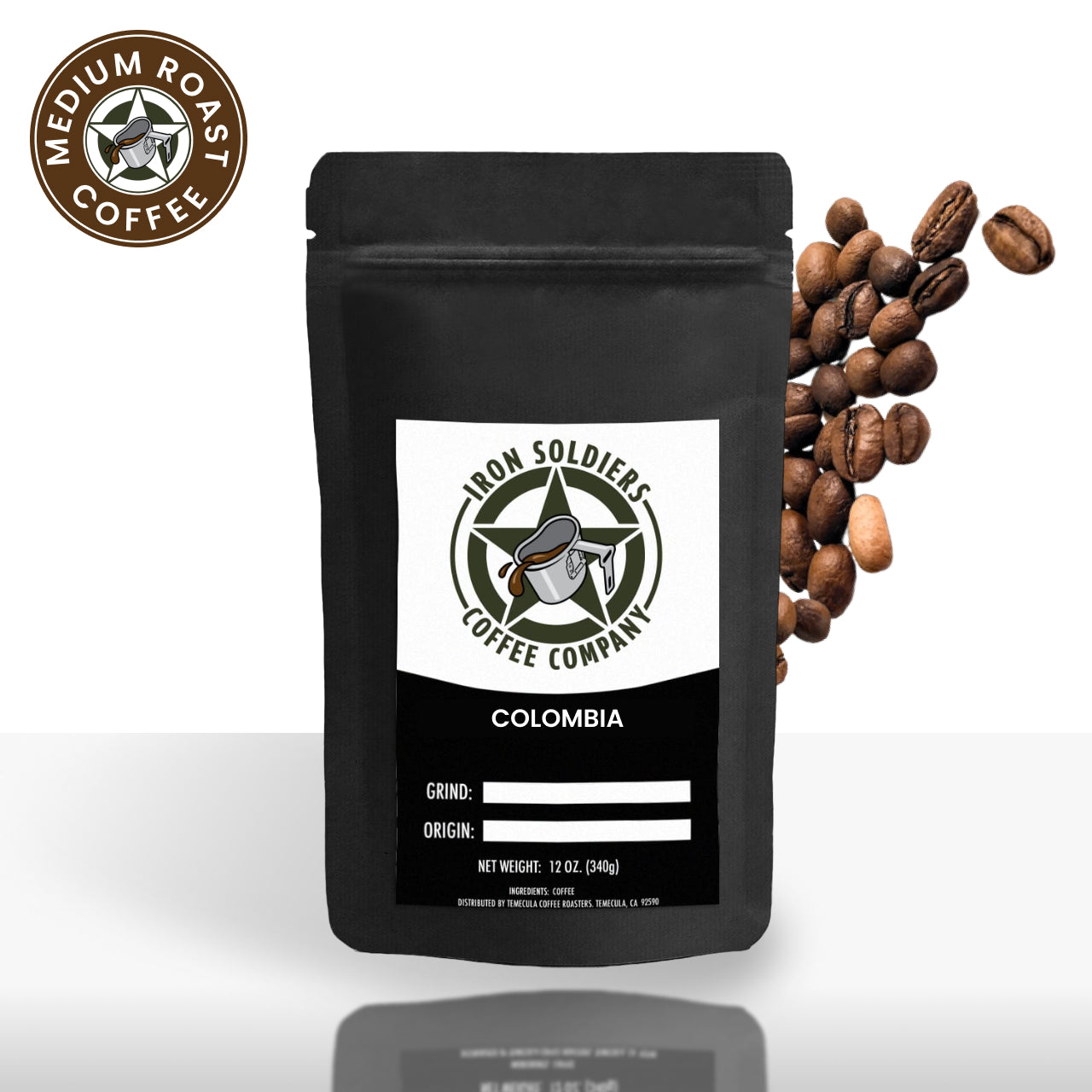
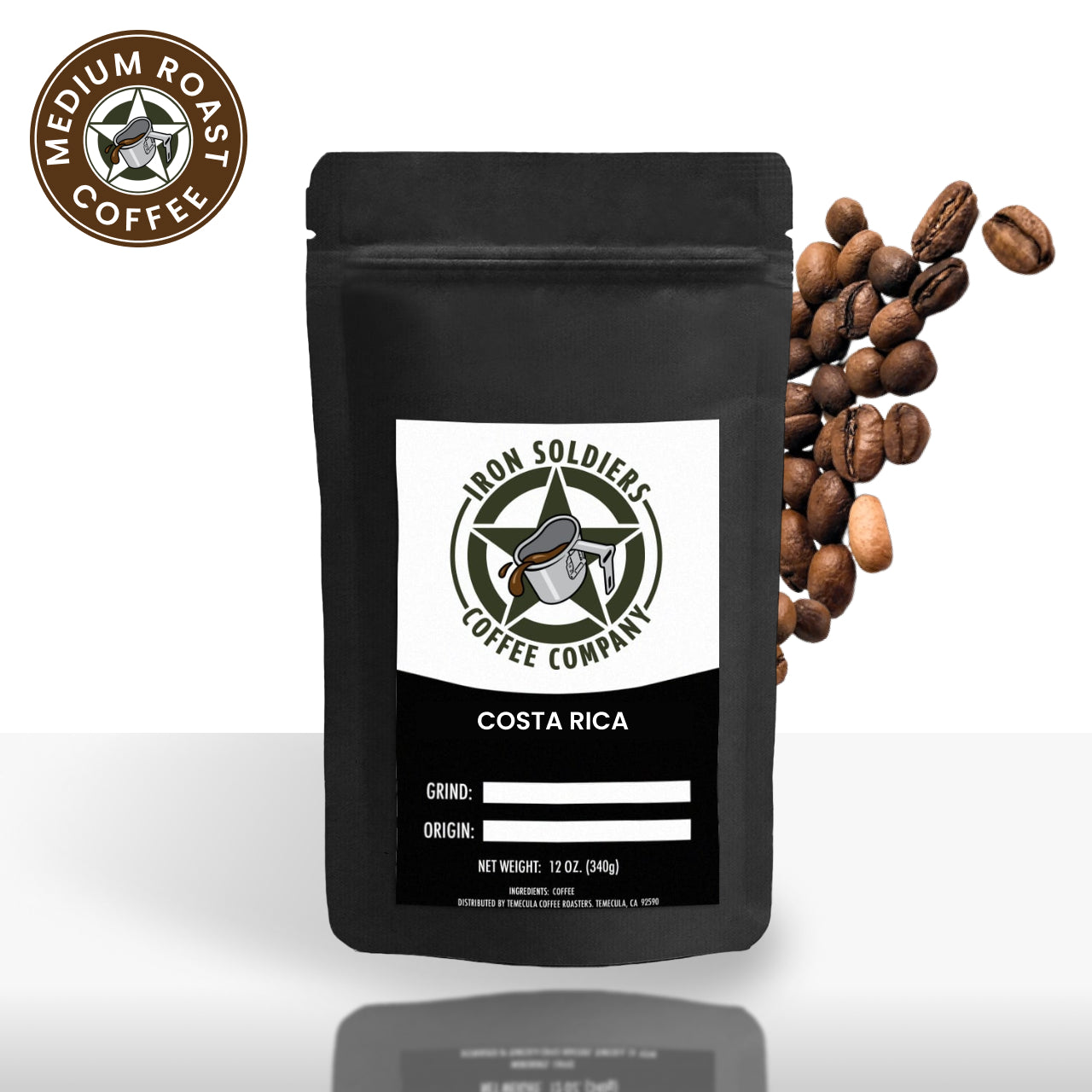
Our current lineup shows the range. Colombia is a medium roast with dried orange, sweet berry, and chocolate notes. Costa Rica brings sweet apple, raisin, and honey flavors. Peru leans toward salted caramel and a touch of citrus. Side by side, you can taste how much the growing region shapes the cup.
Single-Origin Coffee Caffeine Content: Bean, Roast, and Brew
Caffeine in your cup depends on how the coffee is brewed and how much goes in, not on the origin alone. Roast level and brew method change how strong the cup feels, so the bean's origin is only one piece of the picture. To plan a predictable morning dose, treat caffeine as a variable to control, not a flavor to chase.
Start with the bean. Roast level is often misunderstood: darker roasts do not add caffeine. By weight, a dark roast may contain slightly less caffeine because the beans lose mass during roasting, but the difference is minor. What changes more is how you measure. A scoop of dark roast and a scoop of light roast can deliver different caffeine because the beans have different densities.
Brew method is the biggest lever.
| Brew method | Typical serving | Approximate caffeine |
|---|---|---|
| Drip | 12 oz | 120-170 mg |
| Pour-over | 12 oz | 120-170 mg |
| French press | 12 oz | 120-170 mg |
| Espresso | 2 oz | 60-80 mg |
| Cold brew concentrate | 2 oz | 100-200 mg |
Typical serving
Drip 12 oz
Pour-over 12 oz
French press 12 oz
Espresso 2 oz
Cold brew concentrate 2 oz
For a repeatable morning cup, weigh your coffee and water. Keep the grind and brew time steady, then change one variable at a time. If you switch origins, keep the recipe the same so you can compare flavor without changing your caffeine dose.
For a clearer read on roast and strength, our deeper explainer on roast level and strength walks through how these choices change your brew.
Separating Caffeine Alertness From Origin Benefits
Caffeine is what makes you feel alert in the morning. A single origin coffee does not carry extra caffeine simply because of where it grew. Any alertness you feel comes from the caffeine, and the origin mainly affects how the coffee tastes.
This distinction matters. If you enjoy a single origin because it tastes good, that is a real reason to drink it. Just do not expect the origin itself to sharpen your focus beyond what the caffeine does.
How to Brew Single-Origin Coffee for Consistent Results
Good brewing helps a single origin keep its flavor. Start with fresh beans and a consistent recipe so your cup tastes the same each morning.
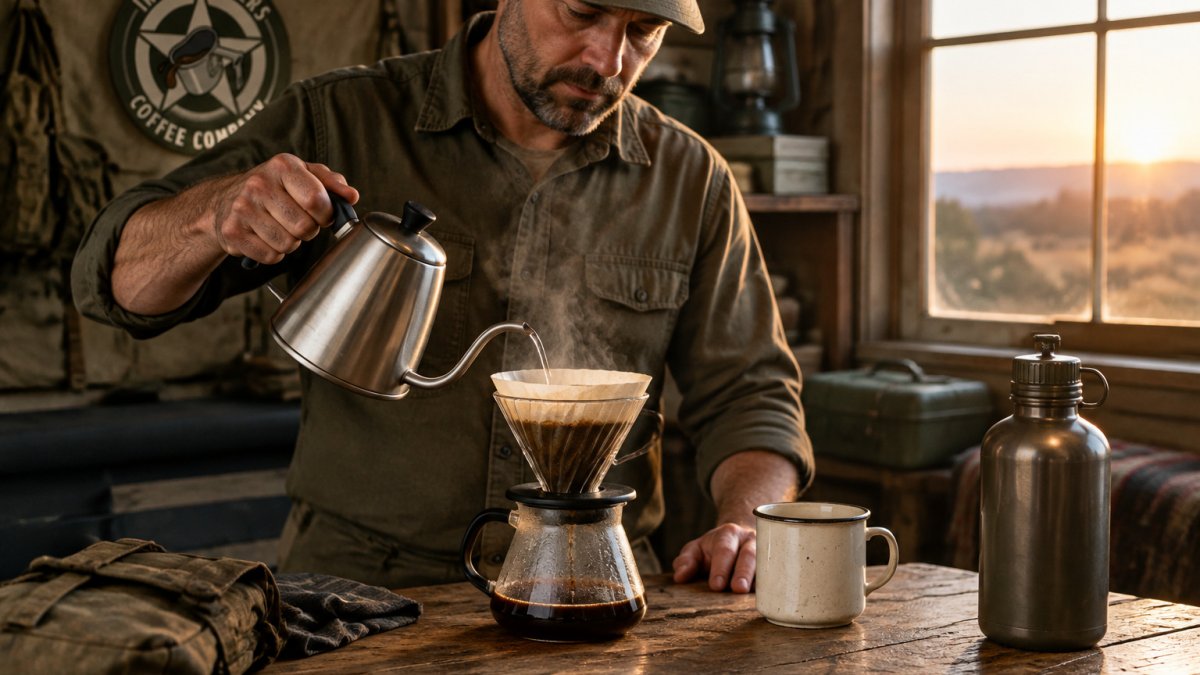
- Grind: Use a medium grind for pour-over, coarser for French press.
- Ratio: Start around 1 part coffee to 16 parts water by weight.
- Water: Use water just off the boil, roughly 200°F, and let it settle for a moment.
- Timing: Keep a pour-over around 3 to 4 minutes total.
Small changes make a noticeable difference, so change one variable at a time and taste as you go.
Coffee for Focus and Concentration: Timing, Sensitivity, and Sleep
Caffeine affects people differently. Some drinkers feel sharp after one cup, while others get jittery or struggle to sleep later. Pay attention to how you feel, and avoid caffeine late in the day if it keeps you up at night. The key distinction for morning focus is this: alertness comes from caffeine, not from the origin of the bean. Single-origin coffee can make your morning more enjoyable and help you build a consistent routine, but it does not carry extra focus benefits because of where it grew.
A practical morning routine starts with timing.
Hydration matters. Coffee is a mild diuretic, and pairing each cup with a glass of water helps you avoid the headache and fatigue that can follow dehydration. A simple rule: one glass of water with each cup of coffee.
Sensitivity, sleep, and side effects are real variables. If you are prone to anxiety, have a sensitive stomach, or take medication that interacts with caffeine, talk to your doctor about your limit. Sleep quality is the biggest factor in morning focus.
A repeatable test can help you find what works. For one week, brew the same origin with the same recipe each morning. Note the time you drink it, the serving size, how alert you feel 30 and 60 minutes later, and whether you have trouble sleeping that night. Change one variable at a time, serving size, timing, or brew method, and compare. This is not a clinical trial, but it gives you personal data instead of guesswork.
For drinkers who want a steady morning routine, our guide to coffee for sustained focus covers timing and strength in more detail.
Run Your Own Morning Focus Test With Iron Soldiers Single Origins
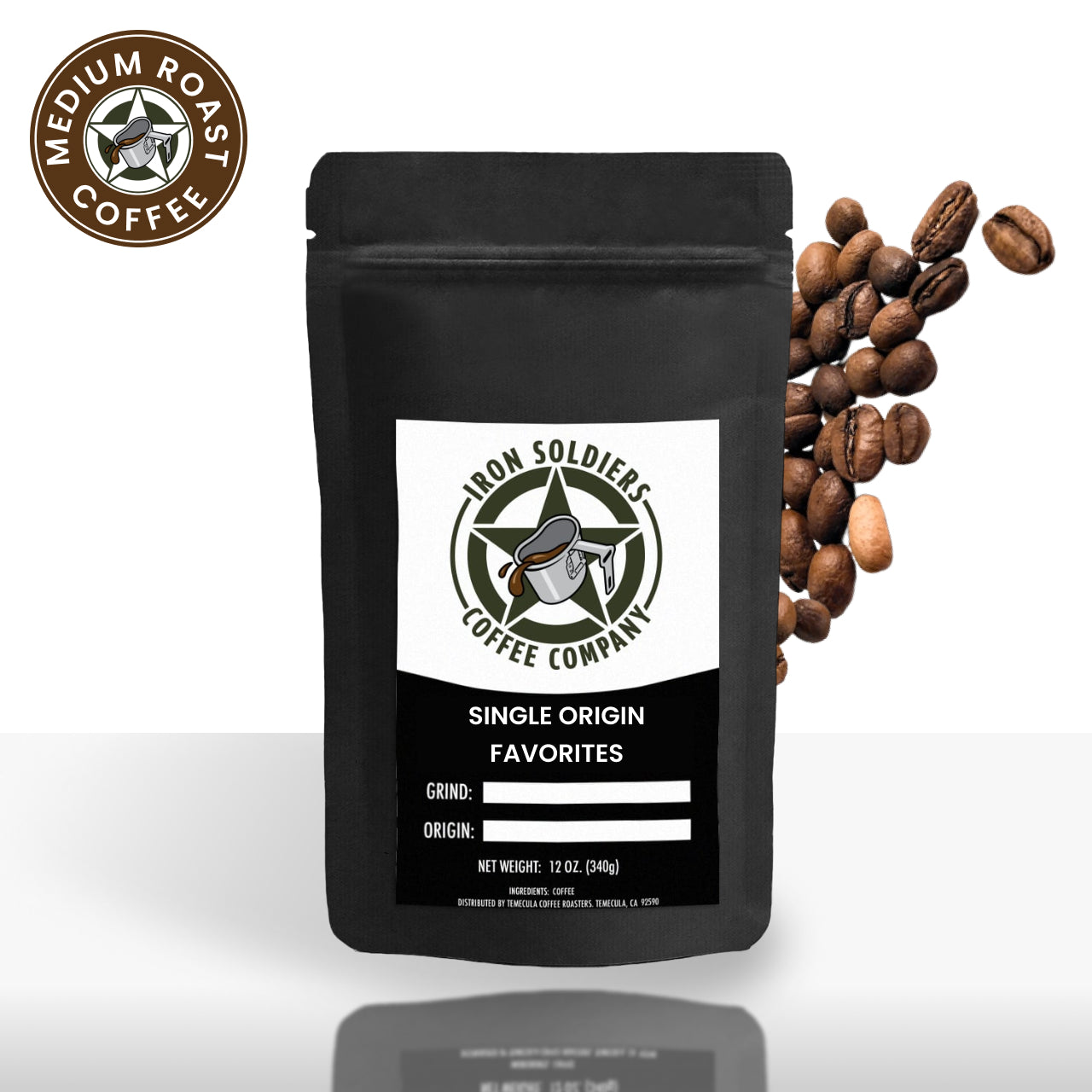
Try a simple test for a week. Brew one origin each morning, note how alert you feel an hour later, and compare the flavor notes. Our Single Origin Favorites Sample Pack lets you try several origins side by side so you can run the comparison yourself.
Iron Soldiers Coffee Company is proud to support veterans and their families, with $1 from every bag sold going to a volunteer-only nonprofit. Ready to find your favorite origin? Shop the lineup and start your own morning test today.
Frequently Asked Questions
Does single-origin coffee have more caffeine than blended coffee?
Not by default. Caffeine content depends mostly on the bean species, roast level and how much coffee goes into the brew, not on whether the beans come from one place or several. If you want a predictable morning dose, weigh your coffee and keep the roast and brew method the same from day to day.
How do I brew single-origin coffee consistently?
Keeping your brewing steps fixed from one morning to the next helps a single-origin coffee taste consistent.
Will single-origin coffee help me focus more than a blend?
Origin mainly affects flavor, so single-origin coffee is a good choice when you want to taste where the beans were grown.
Is it safe to drink coffee for focus every morning?
Caffeine sensitivity varies from person to person. If you take medication or have a heart condition, talk with your doctor before changing your coffee routine.