Benefits of Ethically Sourced Coffee Beans: 2026 Guide
Table of Contents
- What Ethically Sourced Coffee Beans Actually Mean
- Fair Trade Coffee Certification Standards: Reading the Labels
- Impact of Ethical Coffee on Farming Communities
- How to Identify Sustainable Coffee Brands Without Getting Fooled
- The Economics of a Coffee Bean: Where Your Money Goes
- Environmental Wins: Carbon Footprint, Biodiversity, and Climate Resilience
- How Ethically Sourced Coffee Aligns with Service and Community
- Frequently Asked Questions
Last Updated: September 22, 2026
What Ethically Sourced Coffee Beans Actually Mean
Ethically sourced coffee beans are grown, harvested, and traded under conditions that protect the farmer, the land, and the worker at every stage of the supply chain, a standard "ethical" too often fails to meet on a bag.
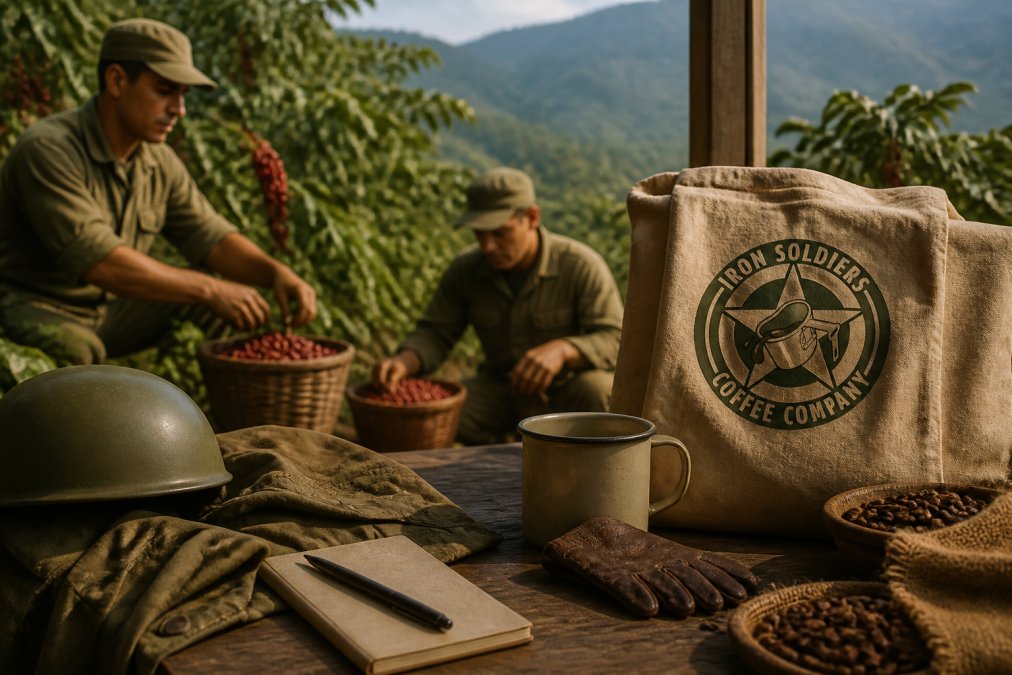
At Iron Soldiers Coffee Company, we buy specialty-grade beans from high-altitude farms where the coffee is hand-picked, wet-hulled or fully washed, and dried with care. When a roaster names the region, altitude, variety, and process, the farmer was paid for quality, not volume.
Most grocery coffee is commodity coffee: a bulk crop where the grower takes whatever the market sets that week. Specialty coffee is graded, cupped, and bought on merit. That shift is where the real benefits begin.
Fair Trade Coffee Certification Standards: Reading the Labels
Fair trade coffee certification standards are the written rules a certifying body uses to verify that farmers were paid a floor price, that child labor was banned, and that a portion of the sale funds community projects. The label is a claim; the standard is the proof.
Here is what the major marks actually verify:
- Fair trade marks: minimum price guarantees, a social premium paid to cooperatives, and independent third-party verification
- Organic certification: no prohibited synthetic pesticides, with annual inspections
- Bird-friendly and shade-grown: coffee grown under tree canopy that supports migratory bird habitat
- Rainforest-style marks: limits on deforestation and water pollution
None of these labels cover everything.
Fair Trade vs. Direct Trade: What's the Difference?
Fair trade sets a floor. Direct trade removes the middleman.
Impact of Ethical Coffee on Farming Communities
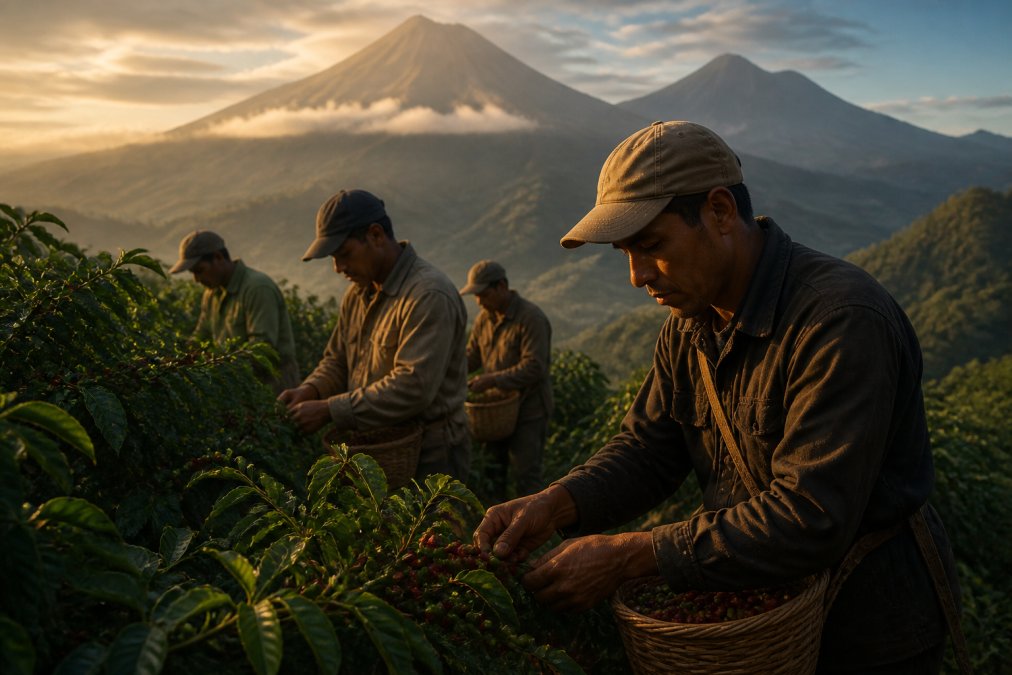
The impact of ethical coffee on farming communities shows up in household income, cooperative strength, and the ability to reinvest in the land. A farmer paid a premium for quality can hire help at harvest, repair equipment, and keep a child in school.
Living Wage, Cooperatives, and Economic Equity
A living wage is the income a farming household needs to cover food, housing, healthcare, and schooling without falling into debt. Cooperatives are how many smallholders get there: by pooling harvests, they negotiate higher prices, fund shared processing equipment, and qualify for certification no individual farmer could afford alone.
Key Takeaway
The clearest sign of a fair supply chain is a named farm or cooperative. If a roaster can tell you who grew the beans and where, the money almost certainly reached them.
How to Identify Sustainable Coffee Brands Without Getting Fooled
Learning how to identify sustainable coffee brands means reading the bag like an inspector, not a shopper. Vague words like "natural" and "responsibly sourced" carry no legal weight; specific claims do.
Look for these signals:
- A named region, farm, or cooperative, not just a country
- Altitude and variety listed on the bag
- Process named: washed, natural, wet-hulled, or eco-pulped
- A certification mark with a verifiable certifying body
- A roast date, not just a best-by date
The Greenwashing Checklist
Run any brand through this checklist before you trust the label:
- Does the bag name the farm, cooperative, or region?
- Is the altitude and variety listed?
- Is the processing method named?
- Is there a certification mark with a real certifying body behind it?
- Is there a roast date?
- Does the brand explain where the premium goes?
- Can you find the sourcing story without digging through three pages of marketing copy?
Watch Out
The most common mistake is trusting a single label. Organic says nothing about wages, and fair trade says nothing about pesticide use. Judge the whole bag, not one stamp.
The Economics of a Coffee Bean: Where Your Money Goes
Most of the retail price of a bag of coffee never reaches the farm, the most useful fact a shopper can understand before paying a premium for the word "ethical."
- The farm gate. The grower sells parchment or green coffee to a cooperative, a mill, or an exporter. This is the first and smallest transaction in the chain.
- Milling and export. The crop is hulled, graded, bagged in jute, and moved to port. Exporters and logistics firms take their cut here.
- Import and shipping. The green coffee crosses an ocean, clears customs, and lands at a warehouse. Freight, duties, and storage add cost.
- Roasting and packaging. The roaster buys green coffee by the pound, loses weight to moisture during the roast, and pays for bags, labels, and labor.
- Marketing and retail. Wholesale, subscription platforms, cafés, and grocery shelves each take a margin before the bag reaches your hand.
Reading the Split Like a Quartermaster
- Ask for the FOB price. FOB (free on board) is the price paid for the green coffee at the point of export. A roaster who knows this number knows their supply chain.
- Ask for the farm gate price. This is what the grower actually received. The gap between FOB and farm gate is where cooperatives, mills, and exporters live.
- Ask about the differential. Specialty coffee is often bought at a premium above the commodity market price, called a differential. A roaster who can quote it is buying on merit, not on the ticker.
- Ask what happens to the premium. If the answer is vague, the premium probably stopped at the importer.
Key Takeaway
A roaster who can walk you from the farm gate to the roast date is running a transparent supply line. A roaster who can only tell you the country of origin is running a commodity pipeline with better packaging.
None of this requires an accountant, just one question: where did the money go? The brands that answer clearly are the ones whose ethics survive inspection.
Environmental Wins: Carbon Footprint, Biodiversity, and Climate Resilience
Ethical sourcing and environmental stewardship usually travel together, but the reason to care is supply security. Coffee is a climate-sensitive crop, and the same practices that protect the land protect the future of the cup in your hand.
The Yield Problem Nobody Puts on the Bag
Coffee grows in a narrow band of altitude and temperature. As regions warm, the suitable zone for arabica shifts uphill, and on many farms there is no uphill left. Lower-elevation farms lose quality and yield first while higher-elevation farms absorb the pressure, already reshaping which regions can produce specialty-grade coffee.
What the Practices Actually Do
- Shade-grown coffee keeps tree canopy over the crop, which shelters migratory birds, holds soil in place, and buffers temperature swings at the root zone.
- Organic and pesticide-free growing protects water sources downstream of the farm and reduces the chemical load on the workers who handle the crop.
- Regenerative practices, composting, cover cropping, reduced tillage, rebuild soil organic matter, which stores carbon and holds moisture through dry spells.
- Water-smart processing matters at the mill. Washed coffee uses significant water, while natural and eco-pulped methods cut that demand sharply. The process named on the bag is an environmental signal as much as a flavor one.
Post-Consumption: The Last Leg of the Supply Line
Pro Tip
Ask a roaster what happens to the chaff and the spent grounds. The brands that have an answer are usually the ones that thought hard about the whole chain, not just the label.
The through-line is simple: ethical sourcing is not just good for the farmer and the forest. It is how the coffee keeps existing at all.
How Ethically Sourced Coffee Aligns with Service and Community
Coffee has always been a shared ritual, what you pour for a guest, hand a coworker at shift change, raise in a toast. Sourcing it ethically extends that spirit of service backward, to the people who grew it.
| Coffee | Roast | Tasting Notes | Region |
|---|---|---|---|
| African Espresso | Medium-Dark | Citrus, chocolate, wine finish | Kenya, Tanzania, Ethiopia |
| Bali Blue | Medium-Dark | Dark chocolate, molasses, brown sugar | Kintamani, Bali |
| Colombia | Medium | Dried orange, berries, chocolate | Antioquia, Colombia |
| Ethiopia Natural | Light-Medium | Milk chocolate, bright fruit, caramel | Sidama, Ethiopia |
| Tanzania | Light-Medium | Pear, jasmine, strawberry | Mbeya, Tanzania |
| Doc Sims Brew | Medium | Chocolate, roasted nuts, caramel | Honduras |
U.S. Department of Agriculture organic certification program
Fair Trade Certified standards and farmer premium model
Specialty Coffee Association green coffee grading and sourcing guidance
Frequently Asked Questions
What do ethically sourced coffee beans mean?
Ethically sourced coffee beans are grown and traded under conditions that prioritize fair pay for farmers, safe labor practices, and environmental stewardship. This includes fair trade certification, direct trade relationships, and supply chain transparency. The goal is to ensure that everyone from the small-scale farmer to the roaster benefits from the transaction, not just the retailer. When you choose ethically sourced coffee, you support economic equity, sustainable farming, and healthier farming communities.
What certifications should I look for to ensure ethical standards?
Look for third-party verification like Fair Trade Certified, USDA Organic, Rainforest Alliance, and Bird-Friendly. These certifications confirm fair trade coffee certification standards, pesticide-free growing, shade-grown practices, and biodiversity conservation. Direct trade labels also indicate a roaster's direct relationship with farmers. Always check the roaster's website for supply chain transparency and traceability. If a brand cannot explain where its beans come from, that is a red flag.
How does ethical sourcing impact farming communities?
Ethical sourcing provides small-scale farmers with a living wage, which allows them to invest in education, healthcare, and better harvesting practices. Coffee cooperatives gain bargaining power, leading to premium pricing and economic equity. Regenerative agriculture and water conservation projects improve soil health and climate resilience. The impact of ethical coffee on farming communities is measurable: stronger local economies, reduced poverty, and farmer empowerment. When you buy ethically sourced coffee, you are directly supporting these outcomes.
Does choosing ethical coffee result in a superior flavor profile?
Yes, ethically sourced beans are often specialty coffee, meaning they are grown at high altitudes, hand-picked at optimal ripeness, and processed with care. These practices lead to a more complex and enjoyable cup. For example, Iron Soldiers Coffee Company's African Espresso, a medium-dark roast blend from Kenya, Tanzania, and Ethiopia, delivers vibrant citrus and a wine-like finish. Similarly, their Ethiopia Natural offers creamy milk chocolate and bright fruit. Ethical sourcing and quality go hand in hand.