Support Veterans With Coffee Subscription: 2026 Guide
Table of Contents
- How Coffee Subscriptions Support Veterans and Their Families
- What Makes a Mission-Driven Coffee Subscription Different
- How to Verify Charity Coffee Donations Reach Their Target
- The Impact of Supporting Veteran Coffee Brands
- Premium Roasts Built for the Mission
- Subscription Flexibility and Skip-or-Cancel Options
- Why Fresh Roast-to-Order Coffee Matters
- Frequently Asked Questions
Last Updated: September 2, 2026
How Coffee Subscriptions Support Veterans and Their Families
When you pour a cup of coffee each morning, you're making a choice about where your money goes. At Iron Soldiers Coffee Company, we believe that choice matters, especially when it comes to supporting those who've served. A coffee subscription that channels contributions toward veteran support transforms your daily ritual into meaningful action. Every bag purchased becomes a direct contribution to nonprofits dedicated to helping military families navigate the challenges of transition, healthcare, and community rebuilding.
The mission-driven coffee subscription model works differently than standard retail. Rather than treating coffee as a commodity, these subscriptions embed charitable giving into the product itself. When you commit to a recurring order, you're not just securing fresh beans, you're establishing a predictable revenue stream that allows nonprofit partners to plan long-term support initiatives. This consistency matters. Veterans' organizations can launch new programs, expand counseling services, and strengthen community networks because they know funding will arrive month after month.
The Veterans Crisis Line reports that veterans face unique challenges during transition, making sustained funding essential. A coffee subscription removes the friction from giving. You don't have to remember to donate separately. The contribution happens automatically, integrated into something you already purchase.
What Makes a Mission-Driven Coffee Subscription Different
A standard coffee subscription delivers beans on a schedule. A mission-driven coffee subscription delivers beans on a schedule while funding veteran support initiatives. The difference isn't subtle, it reshapes the entire value proposition.
Mission-driven roasters commit a fixed amount of revenue to veteran-focused nonprofits. Iron Soldiers Coffee Company dedicates $1 from every bag sold to a volunteer-only nonprofit supporting military families. This isn't an afterthought or a marketing angle. It's the operational spine of the business. The roastery exists because the mission exists.
This approach creates accountability that generic coffee retailers don't maintain. When a roaster's survival depends on mission credibility, transparency becomes non-negotiable. You'll find reporting on where donations flow, which nonprofits receive funding, and what programs those funds support. The roaster can't afford to be vague about impact.
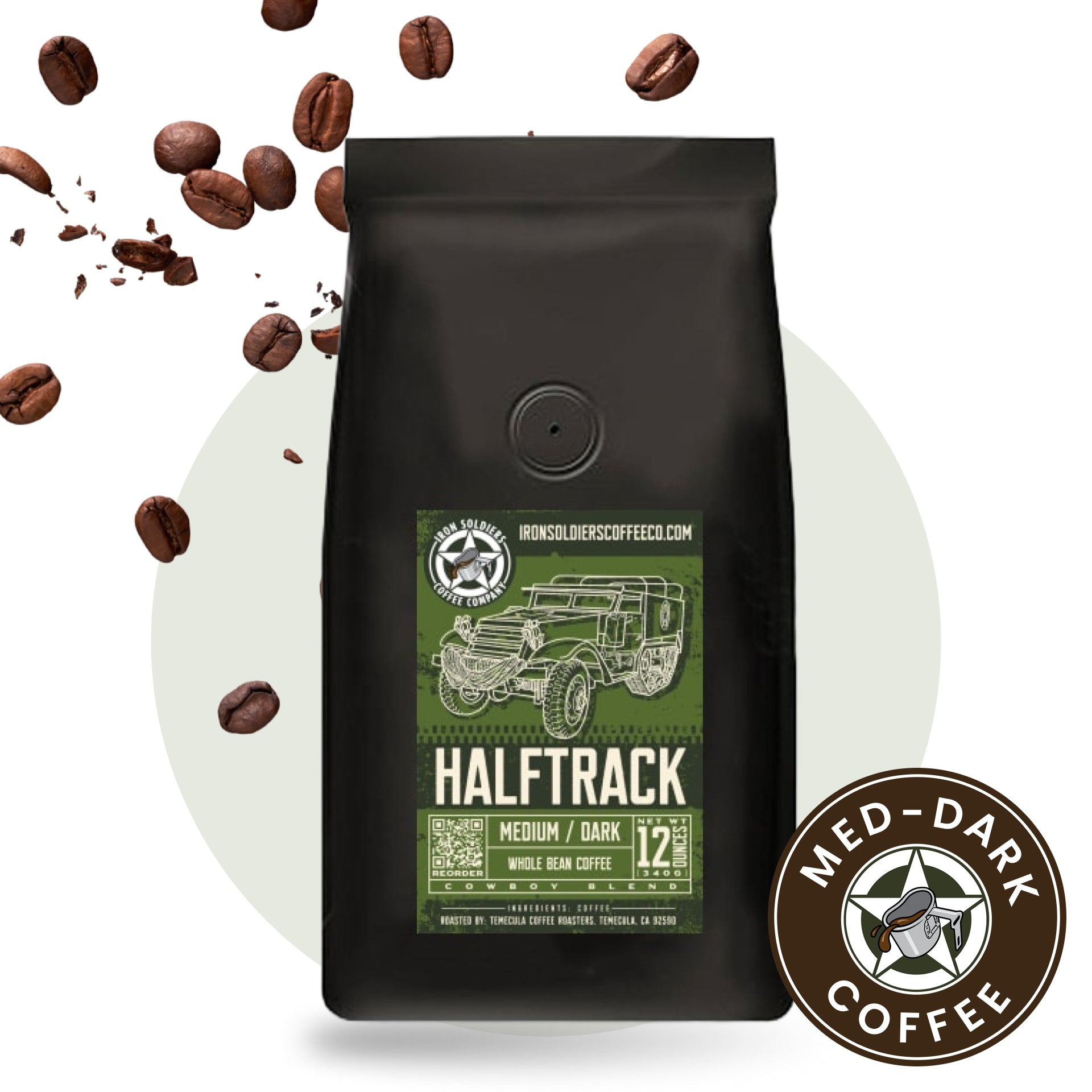
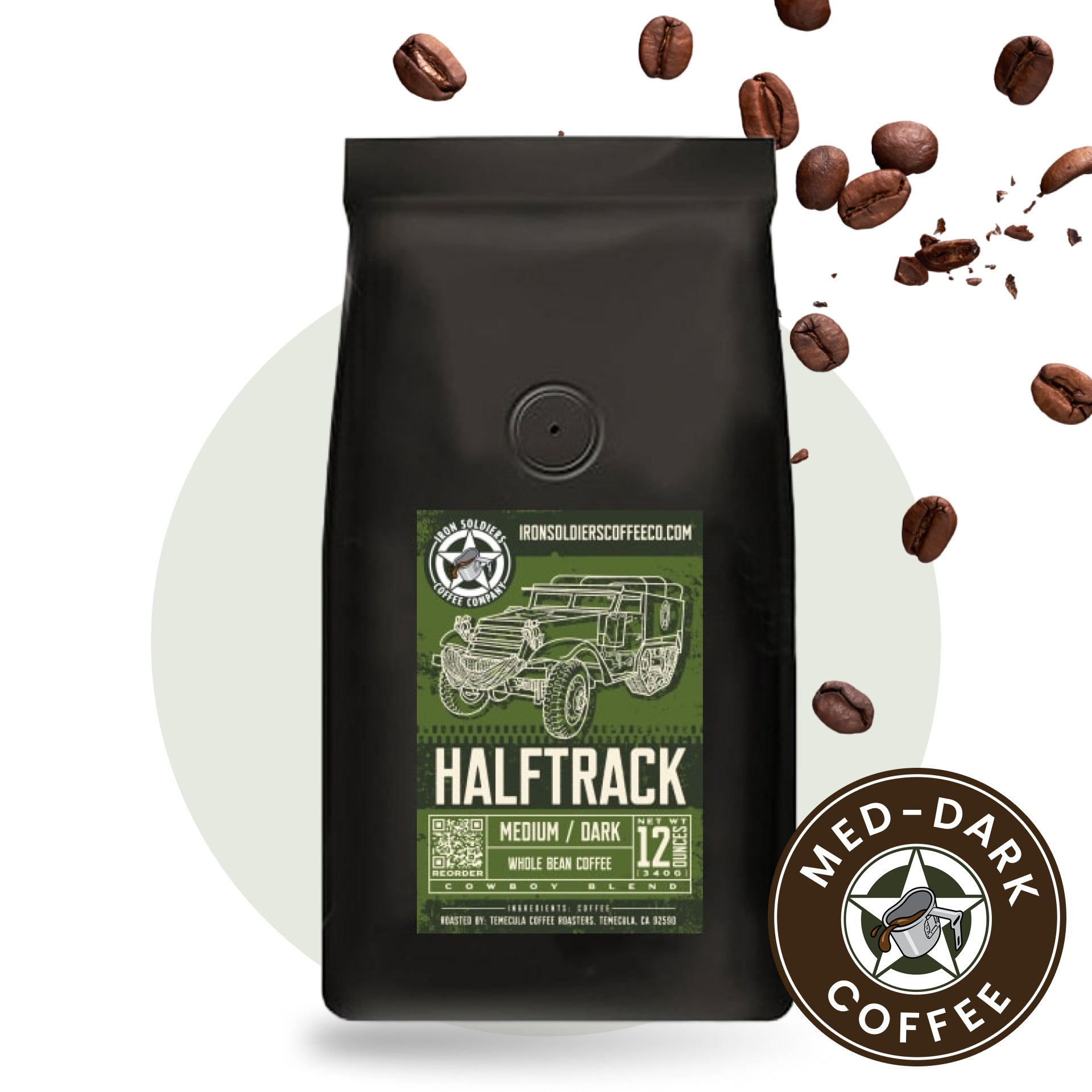
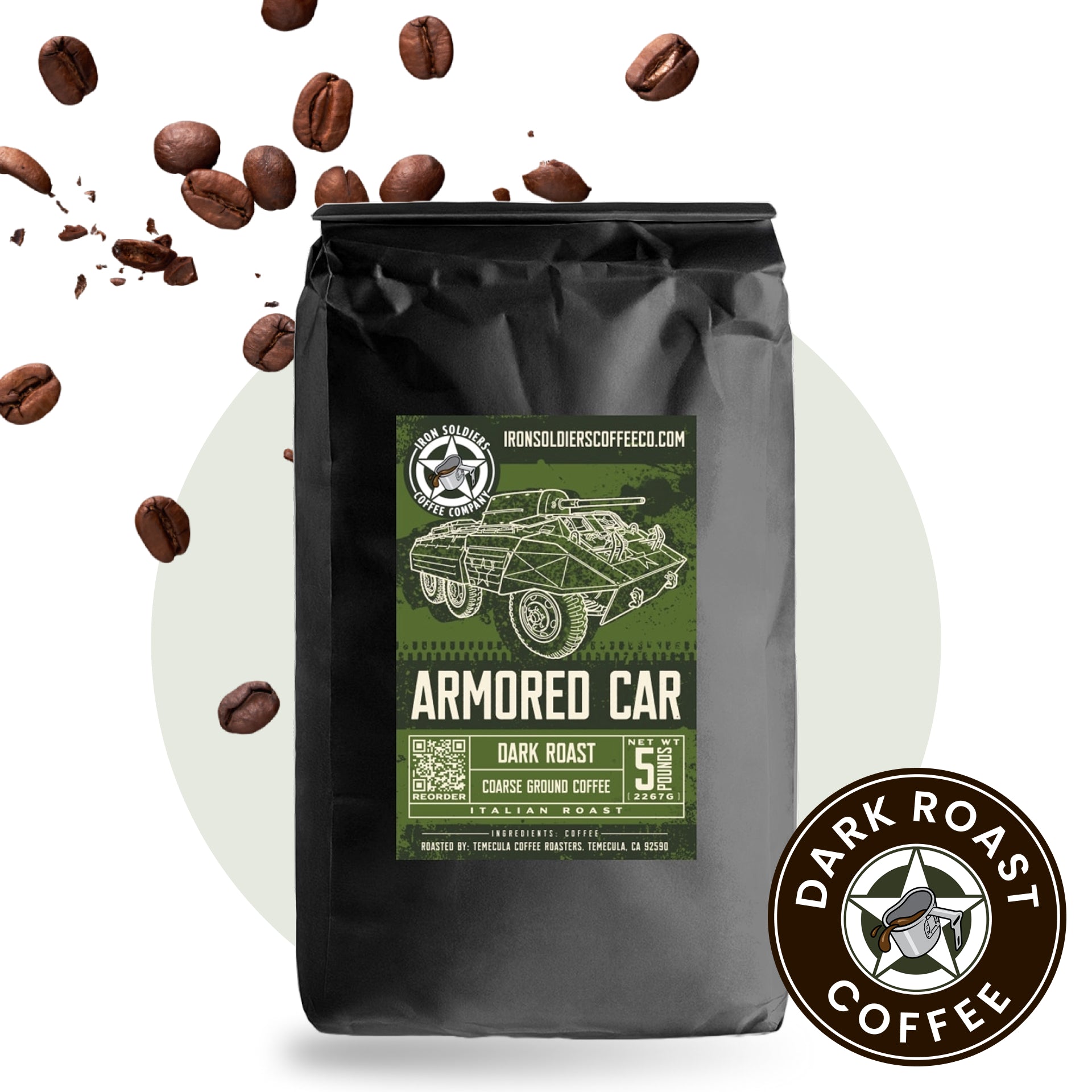
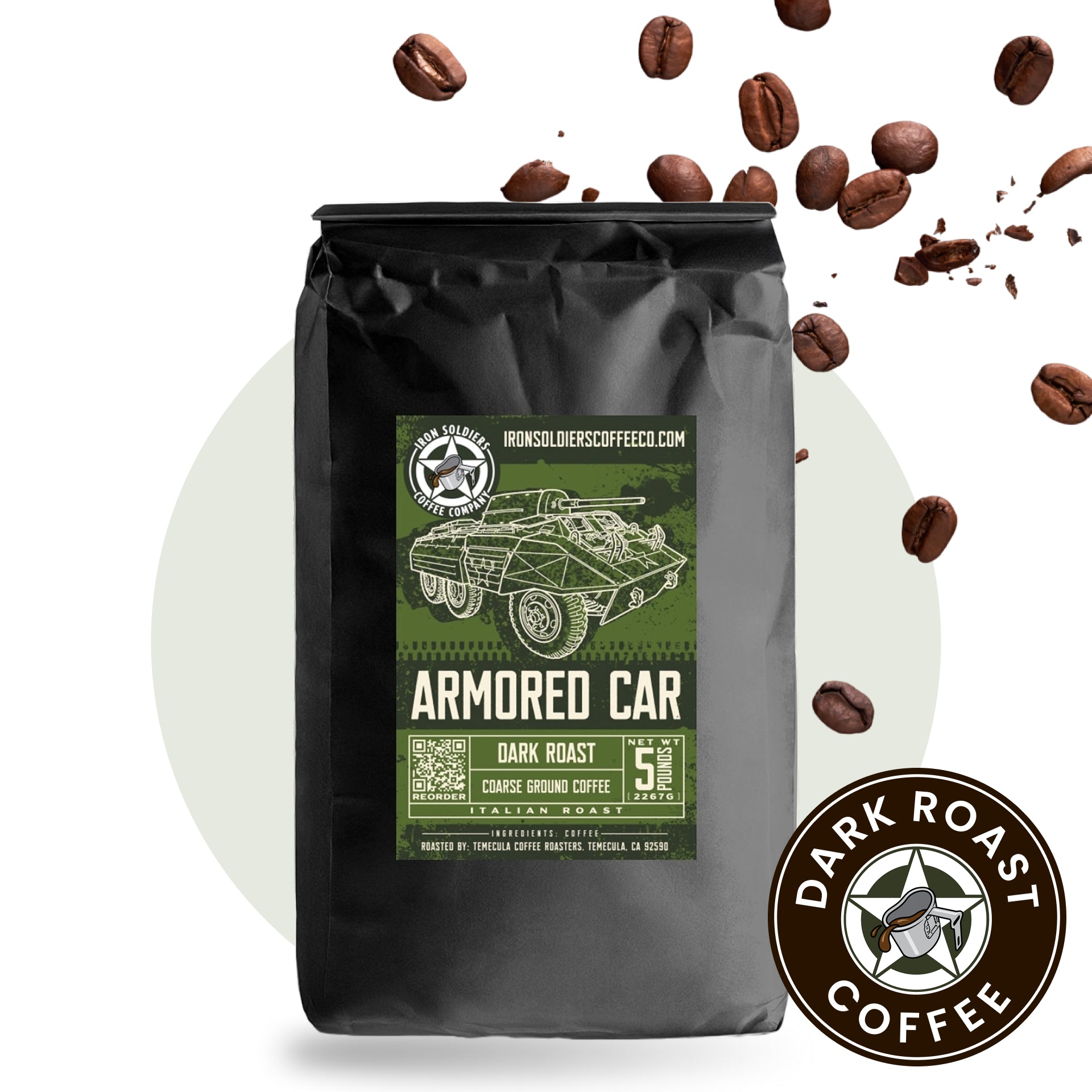
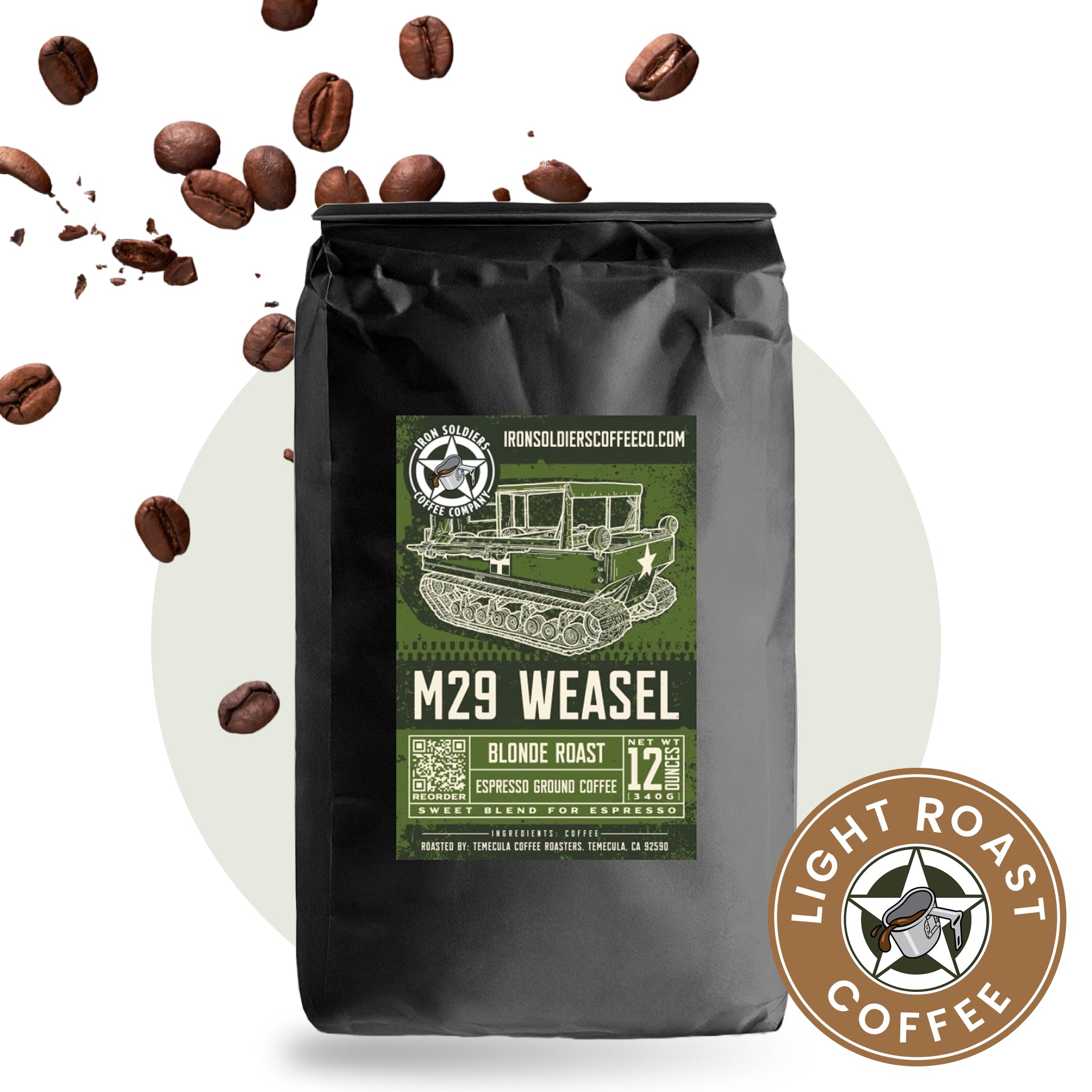
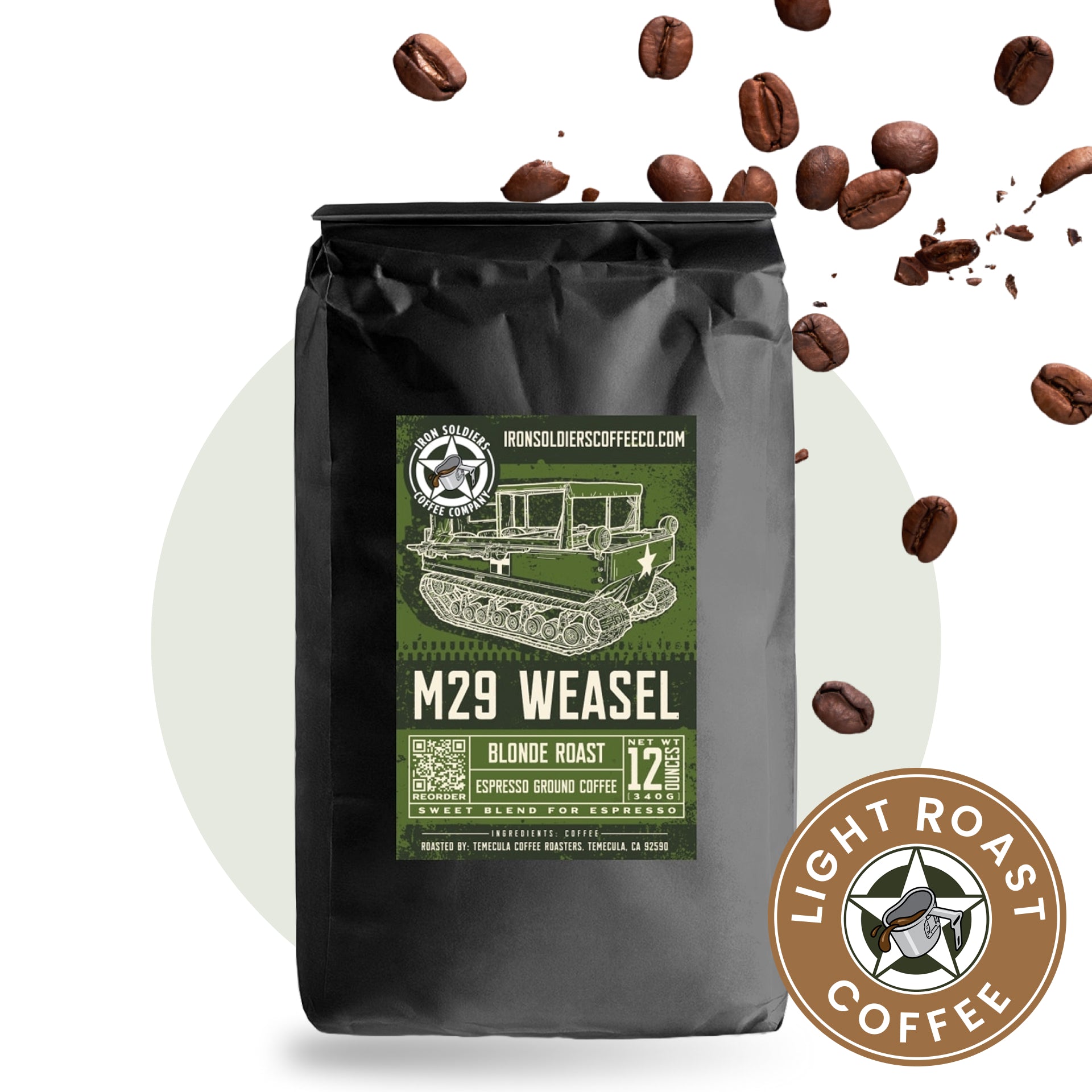
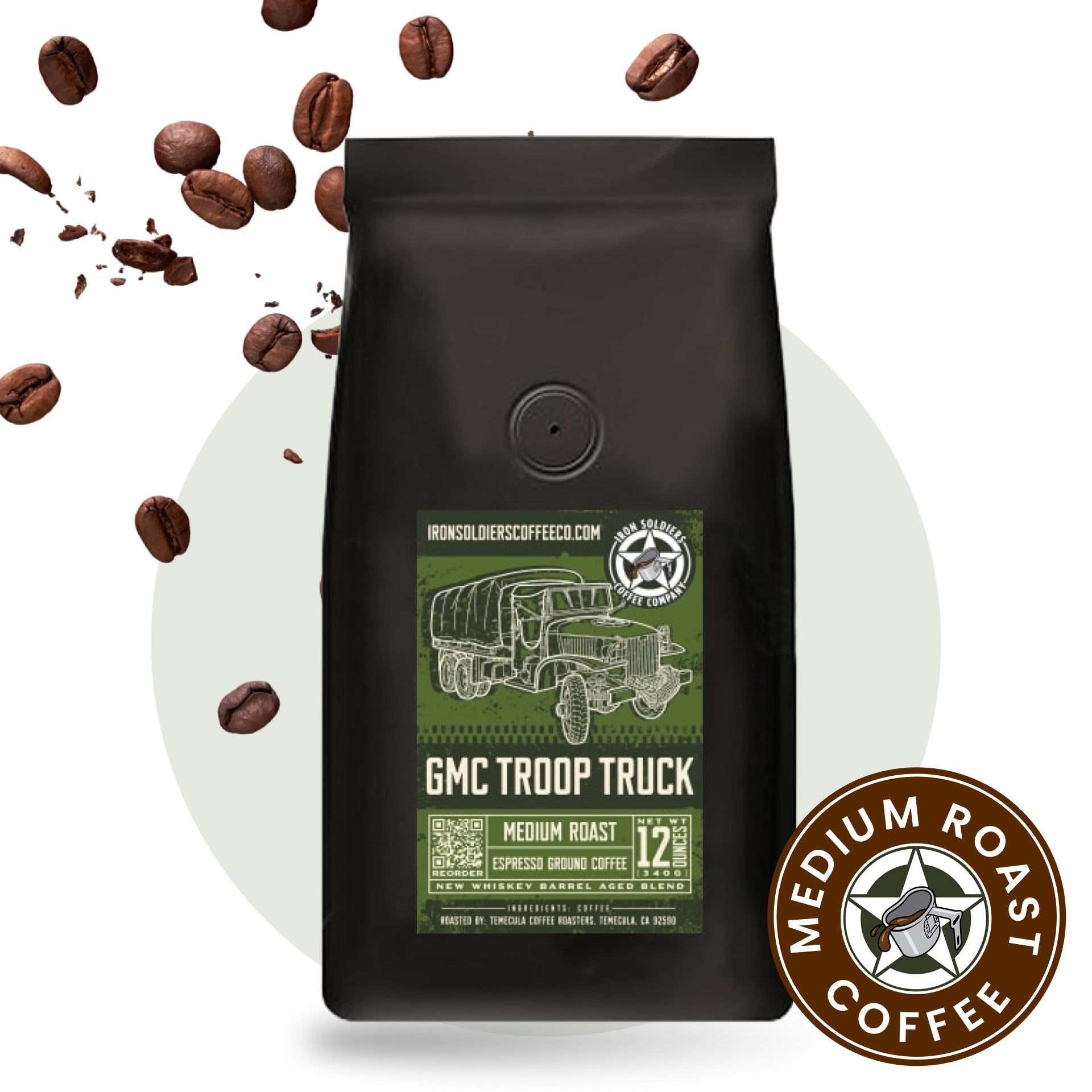
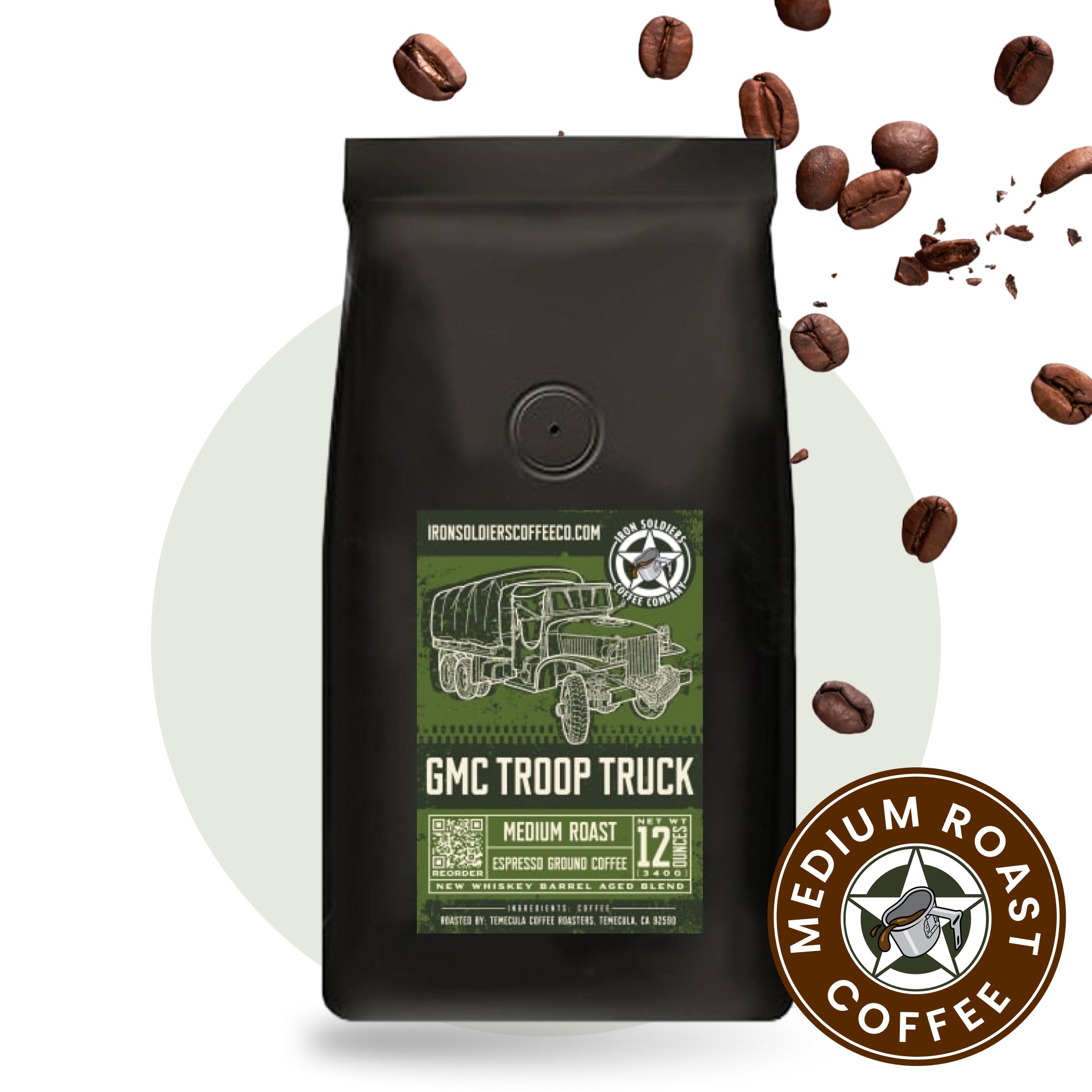
Mission-driven subscriptions also tend to emphasize quality differently. Rather than competing on price, they compete on freshness, roast profile, and the story behind each bean. A blend might be named after a military vehicle, like the Halftrack Edition or Sherman Tank Edition, connecting the coffee's character to the heritage it honors. This thematic consistency appeals to customers who see coffee as more than caffeine. It's a ritual that acknowledges sacrifice and supports those who made it.

The subscription flexibility matters too. Most mission-driven roasters understand that life happens. Military families juggle unpredictable schedules. Shift workers need to adjust their coffee intake based on their roster. A rigid subscription creates frustration. Flexible ones, where you can skip a month, adjust frequency, or pause without penalty, respect your reality while maintaining the recurring revenue that makes the mission sustainable.
How to Verify Charity Coffee Donations Reach Their Target
This question surfaces repeatedly, and for good reason. You're skeptical about whether your money actually reaches veterans, and that skepticism is healthy. Transparency separates legitimate mission-driven roasters from those using charity as marketing camouflage.
Start by looking for published donation reports. Legitimate roasters publish breakdowns showing total donations, and the nonprofits that received funding. These reports should be accessible on the company website, not buried in fine print, but featured prominently. If a roaster won't publish donation data, that's a red flag. Transparency costs nothing. Hiding it suggests something to hide.
Next, verify the nonprofit partnerships directly. Visit the nonprofit's website and look for the roaster's name in their donor list or annual report. Many 501(c)(3) organizations publish detailed donor information. If Iron Soldiers Coffee Company claims to support a specific nonprofit, that nonprofit should acknowledge the partnership publicly. Cross-reference independently. Don't rely solely on the roaster's claims.
Ask about the donation structure. Is it a fixed dollar amount per bag, a percentage of revenue, or a percentage of profit? Fixed amounts are easier to verify. If a roaster donates $1 per bag, you can do the math. If they donate "a portion of profits," ask what percentage. Profit margins vary wildly based on operational costs. The percentage tells you whether the commitment is substantial or symbolic.
Request documentation of recent donations. Legitimate nonprofits will confirm received funds. You can ask the roaster directly: "Can you show me proof that you've donated to [nonprofit name] in the last 90 days?" A roaster confident in its giving will provide bank statements, donation receipts, or letters from the nonprofit confirming the transfer.
Check the nonprofit's tax status. Visit the IRS tax-exempt organization database and search the nonprofit's name. Confirm it's a legitimate 501(c)(3) organization with current tax-exempt status. This prevents you from supporting a nonprofit that's lost its status or never had legitimate standing.
Finally, look at the nonprofit's mission alignment. Does it actually serve veterans and their families? Some organizations claim broad missions but deliver narrow services. Read their annual report. Understand what they do. If the nonprofit's work aligns with your values and the roaster demonstrates consistent funding, you've verified the chain.
The Impact of Supporting Veteran Coffee Brands
When you support a veteran-focused coffee subscription, the impact radiates outward in ways a standard purchase doesn't. The most immediate impact is financial. Nonprofits receive predictable funding that allows them to plan beyond month-to-month survival. A nonprofit that knows it will receive consistent funding monthly can hire a counselor, launch a job-training program, or expand peer support networks. Uncertainty kills long-term planning. Recurring revenue enables it.
The second impact is community visibility. When coffee drinkers choose mission-driven brands, they signal that veteran support matters. They start conversations. Coworkers notice the Halftrack Edition bag on the desk. Family members ask why the coffee costs slightly more. These conversations normalize the idea that supporting veterans isn't charity, it's responsibility. It's woven into daily life, not relegated to November or May.
The third impact is veteran dignity. Nonprofits funded through coffee subscriptions can offer services without the stigma of "charity." A veteran receiving job training through a nonprofit funded by coffee drinkers is receiving support earned through the collective choice of a community. That's different psychologically than handouts. It's recognition.
The fourth impact is business model validation. Every subscription that renews proves that Americans will pay for coffee when it supports a mission they believe in. This validates the model for other roasters considering mission-driven approaches. The market demonstrates that quality, mission, and community can outcompete price-based competition.
Research on nonprofit sustainability shows that recurring revenue improves program outcomes, allowing organizations to move beyond crisis response into preventive services. A veteran support nonprofit with stable funding can invest in early intervention, mental health services, and family counseling. Without it, they're constantly reactive.
Premium Roasts Built for the Mission
Mission-driven roasters don't compromise on coffee quality. If anything, they're more rigorous. Poor coffee undermines the mission. A customer disappointed by taste stops subscribing, and the nonprofit loses funding. Quality becomes mission-critical.
Iron Soldiers Coffee Company sources beans from regions known for specialty-grade quality. The Doc Sims Brew, named after combat-wounded veteran and author Matthew Sims, sources from the highlands of Honduras where elevation and climate produce complex, nuanced flavor profiles. This isn't commodity coffee. It's specialty coffee with a story.

The roast profiles matter equally. A medium roast preserves origin characteristics, the terroir of the region where beans grew. A dark roast develops deeper, bolder flavors suited to those who need strong, reliable caffeine. The Halftrack Edition and Sherman Tank Edition represent different roast approaches, each crafted for different palates and different mission moments. Whether you're starting a shift or finishing one, there's a roast profile designed for your needs.
Freshness is where mission-driven roasters distinguish themselves most. They roast to order rather than maintaining inventory. Beans roasted two weeks ago have already begun losing volatile compounds that create complexity and aroma. Beans roasted three days ago are at peak expression. Roast-to-order subscriptions guarantee freshness that grocery-store coffee can't match. You taste the difference immediately.
The Instant Coffee, Field Ration Edition represents another quality approach. Rather than cutting corners on convenience, the roaster uses specialty-grade instant coffee. This requires higher-quality beans and more careful processing. It costs more. It tastes better. It serves shift workers, travelers, and those who need reliable caffeine without brewing infrastructure.
Subscription Flexibility and Skip-or-Cancel Options
Inflexible subscriptions breed resentment. You sign up for monthly coffee, life happens, and suddenly you're drowning in unopened bags while your credit card keeps charging. That experience destroys trust in the subscription model itself. Mission-driven roasters understand this. They build flexibility into the system because they want long-term relationships, not trapped customers.
Most legitimate coffee subscriptions allow you to skip a month without penalty. If you're overstocked or your schedule changes, you pause the delivery. The subscription remains active. When you're ready to resume, you restart with a single click. No cancellation, no reactivation fees, no friction.
Customization matters too. You should be able to adjust frequency, switching from monthly to every six weeks if consumption patterns change. You should be able to swap coffee selections, choosing different blends or roast profiles based on season or preference. A subscription that forces you into the same order every month ignores the reality that your needs evolve.
Cancel options should be genuinely frictionless. If you decide a subscription isn't working, cancellation should take 30 seconds. No phone calls required. No customer service representative trying to convince you to stay. Transparency here signals confidence. A roaster that makes cancellation difficult is afraid customers will leave. A roaster that makes it easy is confident the coffee and mission will keep you coming back.
Many subscriptions also offer pause-and-resume rather than cancellation. You might take a three-month break during summer travel, then resume in fall. This preserves your subscription history and preferences while respecting your temporary needs. It's the difference between "we own you" and "we value you."
Why Fresh Roast-to-Order Coffee Matters
Roasting coffee is a chemical transformation. Heat converts raw green beans into the brown, aromatic beans you recognize. But that transformation doesn't stop when the beans cool. Oxidation continues. Volatile compounds, the elements that create complexity, aroma, and nuance, gradually escape. After two weeks, a roasted bean has lost significant aromatic complexity. After a month, it's noticeably flatter.
Commercial coffee roasters often roast in large batches, then store beans for weeks or months before shipping. This maximizes efficiency and minimizes cost. It also guarantees stale coffee. By the time it reaches your cup, it's been oxidizing for longer than it spent developing flavor.
Roast-to-order changes this equation. Beans are roasted after you place your order, then shipped immediately. You receive coffee at peak freshness, typically within three to five days of roasting. This freshness difference is immediate and unmistakable. The aroma is more vibrant. The flavor is more complex. The finish is cleaner.
This matters especially for single-origin coffees, where origin characteristics are the entire point. A single-origin bean showcases the terroir, the altitude, climate, soil, and processing method of its region. Oxidation obscures these characteristics. Fresh beans reveal them.
Freshness also impacts caffeine delivery and smoothness. Fresh coffee extracts more evenly, producing a cup with better balance and fewer harsh notes. If you're relying on coffee for sustained energy through a demanding shift, freshness matters. You get consistent, reliable performance.
The roast-to-order model requires more operational complexity. The roaster must manage orders, schedule roasting runs, and coordinate shipping more frequently. It's harder than roasting once and shipping repeatedly. But it's the difference between coffee that tastes good and coffee that tastes remarkable. For a mission-driven roaster, that difference justifies the operational burden.
Supporting veterans through your coffee subscription is a straightforward decision with compounding impact. When you choose a mission-driven roaster like Iron Soldiers Coffee Company, you're not just purchasing a product, you're funding veteran support initiatives, building community around shared values, and ensuring that those who served receive the resources they need. The freshness, quality, and flexibility you receive as a subscriber are the foundation. The mission is the purpose. Together, they create something that transcends a typical transaction.
Shop All Coffee and join a community where every cup supports those who've sacrificed for our freedom.
Frequently Asked Questions
How can I ensure my coffee subscription donation actually reaches veterans?
Transparency is the foundation of trust. Look for companies that publicly disclose their donation structure, nonprofit partnerships, and giving reports. Iron Soldiers Coffee Company commits $1 from every bag sold to a volunteer-only nonprofit supporting veterans and their families. Request documentation of these contributions, ask about the nonprofit's mission alignment, and verify their 501(c)(3) status through the IRS database. A mission-driven roaster should welcome these questions and provide clear evidence of impact.
What is the difference between veteran-owned and veteran-supporting coffee brands?
Veteran-owned companies are operated and managed by veterans themselves, bringing direct leadership and decision-making from those who served. Veteran-supporting brands, while not veteran-owned, dedicate a portion of contributions to veteran causes and nonprofits. Both models contribute meaningfully to veteran support. The key distinction: veteran-owned offers direct veteran leadership and control, while veteran-supporting channels resources through established nonprofit partnerships. Choose based on which model aligns with your values and purchasing priorities.
Will I notice a real difference between fresh roast-to-order coffee and grocery store coffee?
Absolutely. Fresh roast-to-order coffee is roasted within days of shipment, preserving volatile flavor compounds that degrade over weeks or months. Grocery store coffee has often sat on shelves for months, losing brightness, complexity, and aromatic depth. You'll notice sharper flavor notes, fuller body, and more vibrant acidity in fresh-roasted beans. For shift workers and those demanding peak alertness, the caffeine impact feels noticeably sharper in fresher roasts. This isn't snobbery, it's the difference between a mission-ready cup and a stale substitute.
How does subscription flexibility work if I need to skip a month or adjust my order?
Mission-driven coffee subscriptions recognize that life's demands shift. Flexible subscriptions let you skip months without penalty, pause delivery temporarily, adjust roast preferences, or modify order frequency. You control the schedule, no surprise charges, no forced shipments. This flexibility prevents the common problem of stockpiling unwanted coffee. When you're deployed, on leave, or simply overstocked, you can pause. When you're ready to resume, your subscription reactivates. This approach respects both your needs and your commitment to the mission.
What caffeine levels should I expect from premium coffee blends?
Caffeine content varies by roast level and bean origin. Medium roasts typically deliver 95-200mg per 8oz cup, while dark roasts contain slightly less (due to longer roasting reducing density) but offer bolder, heavier body. Single-origin beans from high-altitude regions often pack more caffeine than blends. For shift workers needing sustained alertness, medium roasts or specialty blends designed for strength provide the sharpest edge. Check product descriptions for roast profile and origin, they indicate caffeine intensity. Fresh roast-to-order beans also extract more efficiently, maximizing the caffeine punch in every brew.
Are mushroom coffee blends actually effective, or just a trend?
Mushroom coffee blends combine traditional coffee with functional mushroom extracts like lion's mane or cordyceps. They're not a gimmick, they serve a specific purpose. Mushrooms add umami depth, smooth the coffee's acidity, and provide beta-glucans that some users report improve focus and sustained energy. The coffee still tastes like coffee, not like dirt. Whether the functional benefits are significant depends on the extract quality and your individual response. If you're seeking pure caffeine punch, traditional dark roasts deliver more directly. If you want smooth flavor with potential cognitive support, mushroom blends are worth a trial.
This article was written using GrandRanker