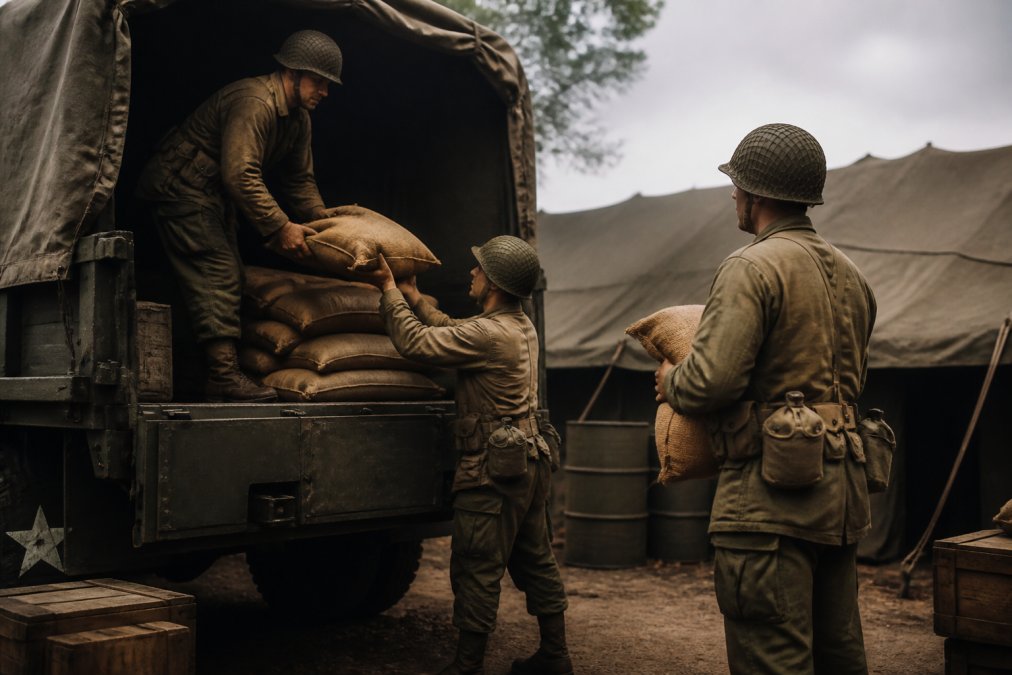
Fresh Roasted Coffee Delivery: Your Battle Plan
Table of Contents
- Fresh Roasted Coffee Delivery: Why the Mission Matters
- Fresh Roasted Coffee vs. Grocery Store Options: The Frontline Difference
- Coffee Bean Roast Dates Explained: Reading Your Battle Orders
- Roasting Methods and Freshness Windows: From Bean to Cup
- How to Store Coffee Beans for Maximum Freshness: Securing Your Supply
- Subscription vs. One-Time Purchase: Charting Your Course
- Single-Origin and Signature Blends: Choosing Your Arsenal
- Conclusion: Mission Accomplished
- Frequently Asked Questions
Last Updated: September 1, 2026
Fresh Roasted Coffee Delivery: Why the Mission Matters
Fresh roasted coffee delivery represents a fundamental shift in how you experience your daily brew. Unlike grocery store options that sit on shelves for weeks, fresh roasted coffee arrives at your door days after roasting, preserving the complex flavors and aromatic compounds that fade quickly after roasting. At Iron Soldiers Coffee Company, we've made it our mission to deliver exceptional coffee while supporting those who've served our country, every bag purchased contributes directly to veteran support initiatives.

The difference between fresh and stale coffee isn't subtle. Fresh roasted beans maintain their vibrant character, full body, and nuanced tasting notes. Grocery store coffee, by contrast, has often been roasted months prior, losing its brightness and complexity. This isn't just about taste preferences; it's about getting the full value from premium arabica beans sourced from regions like Colombia and Mexico.
Understanding fresh roasted coffee delivery requires knowing what happens after roasting. The roasting process triggers chemical reactions that create the flavors you enjoy. Once complete, coffee begins a gradual decline in freshness. Whole beans maintain quality longer than ground coffee, but both have optimal windows. Learning to identify roast dates, understand roasting methods, and select the right storage approach transforms your coffee experience from routine to remarkable.
Fresh Roasted Coffee vs. Grocery Store Options: The Frontline Difference
The distinction between fresh roasted coffee and mass-market alternatives comes down to three core factors: roast date transparency, roasting methodology, and supply chain control. Fresh roasted coffee delivery services publish roast dates prominently, allowing you to verify freshness. Grocery store coffee rarely displays roast dates, making it impossible to know how long beans have been sitting in warehouses or on shelves.
Mass-market coffee roasters optimize for shelf stability and cost efficiency rather than flavor preservation. They roast in massive batches, cool beans slowly, and package them weeks before delivery. This approach sacrifices aromatic volatility and nuanced complexity. Fresh roasted operations like Iron Soldiers Coffee Company roast smaller batches, cool quickly, and ship within days, preserving the full spectrum of flavors that specialty-grade beans offer.

Freshness windows matter significantly. Whole beans remain optimal for 2-4 weeks after roasting, depending on storage conditions. Ground coffee degrades within days. Grocery store coffee, often roasted 4-12 weeks prior, has already lost much of its original character. When you order fresh roasted coffee delivery, you're typically receiving beans roasted within the previous week, ensuring peak flavor at the moment of brewing.
The sourcing difference extends beyond freshness. Fresh roasted roasters often source directly from farmers or through direct trade relationships, ensuring traceability and quality control. Grocery store coffee uses commodity-grade beans from consolidated suppliers. You're not just getting fresher coffee, you're getting higher-quality raw material processed with greater care.
Coffee Bean Roast Dates Explained: Reading Your Battle Orders
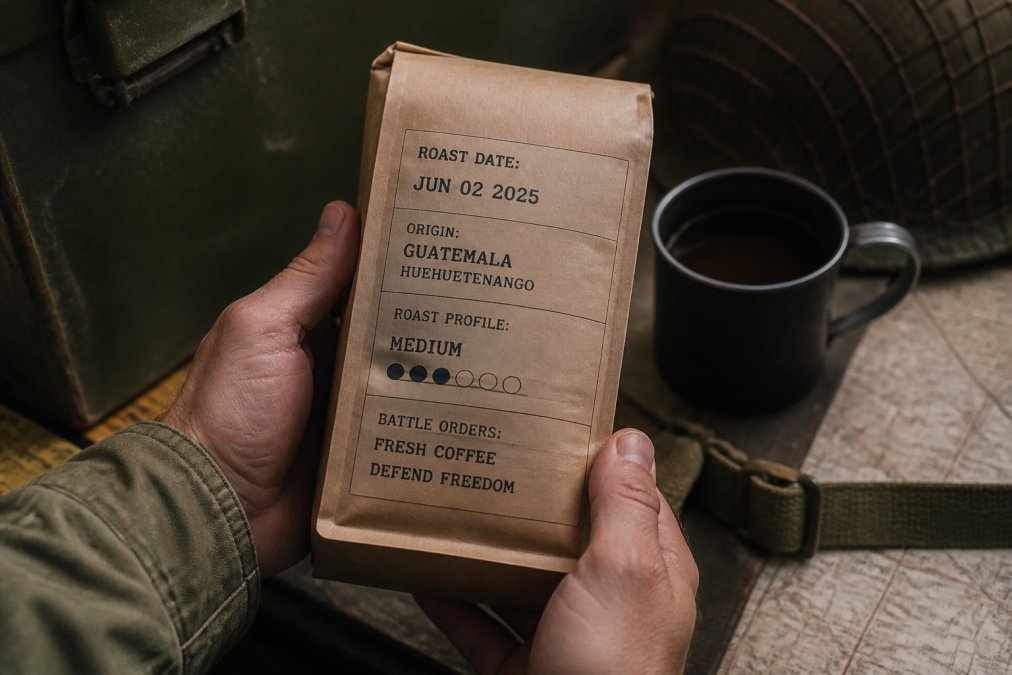
A roast date is your primary intelligence for assessing coffee freshness. This date indicates when beans were roasted, not when they were packaged or shipped. Understanding how to read and interpret roast dates is essential for maximizing your fresh roasted coffee delivery investment.
Roast dates appear in several formats. Some roasters use month-day-year (03-15-2026), others use day-of-year notation (074-2026), and some use simple month-year stamps. The format matters less than the presence of the date itself. Reputable roasters display this information prominently on the front of the bag because transparency signals confidence in their product.
The optimal consumption window for whole beans typically spans 2-4 weeks post-roast. During the first 3-5 days, beans are still degassing and developing their full flavor profile. This "resting period" allows CO2 to escape, which actually improves extraction in most brewing methods. After 4 weeks, aromatic compounds continue degrading, though beans remain drinkable for several months if stored properly. Ground coffee, by contrast, should be used within 2-3 days of grinding for maximum freshness.
When evaluating fresh roasted coffee delivery options, check the roast date first. If a roaster won't display it, that's a red flag. Iron Soldiers Coffee Company stamps every bag with the roast date, allowing you to verify freshness upon arrival. This transparency reflects our commitment to delivering coffee at peak quality.
Regional factors influence optimal consumption timing. Coffee roasted at higher altitudes or in cooler climates may have slightly different degassing rates than coffee roasted at sea level. However, the 2-4 week window remains a reliable general guideline across most specialty roasters.
Roasting Methods and Freshness Windows: From Bean to Cup
Roasting method directly impacts how quickly coffee loses freshness. Understanding these techniques helps you select fresh roasted coffee delivery that matches your brewing preferences and consumption timeline.
Light roasts develop quickly, typically roasting 1-2 minutes shorter than medium roasts. This shorter exposure time preserves more origin characteristics and acidity. Light roasted beans retain freshness slightly longer than darker roasts because fewer volatile compounds have been driven off. However, light roasts are more delicate and benefit from consumption within the first 3 weeks post-roast.
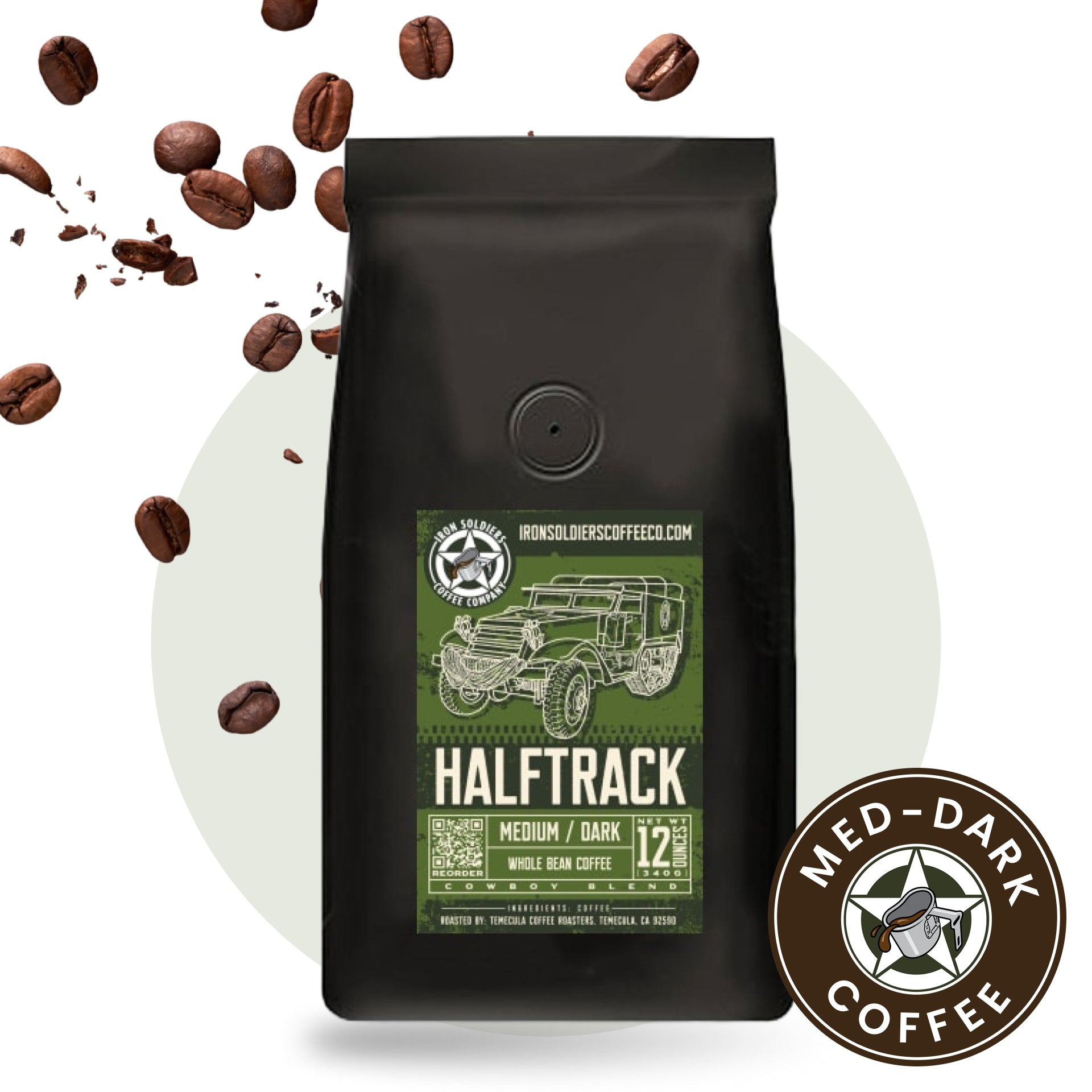
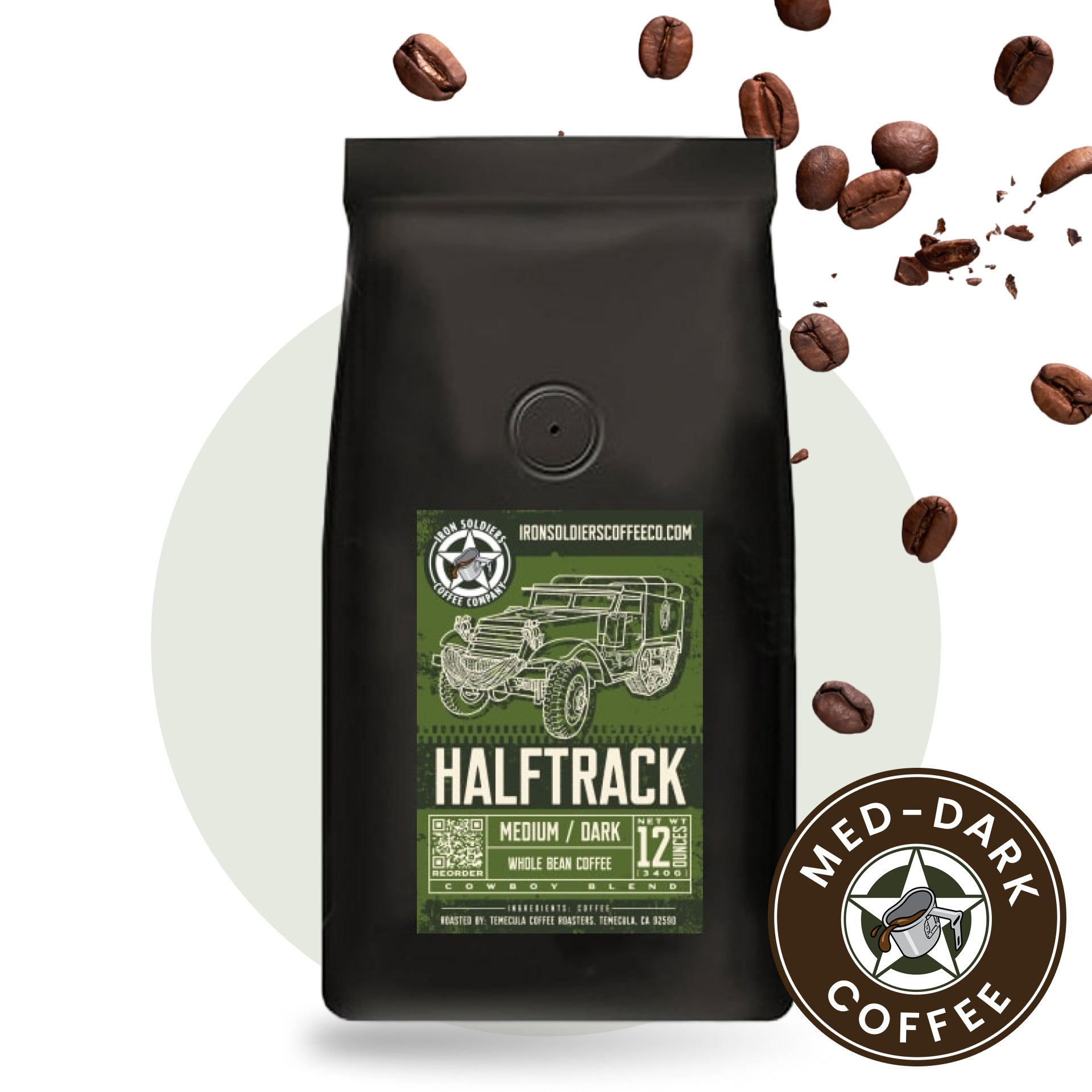
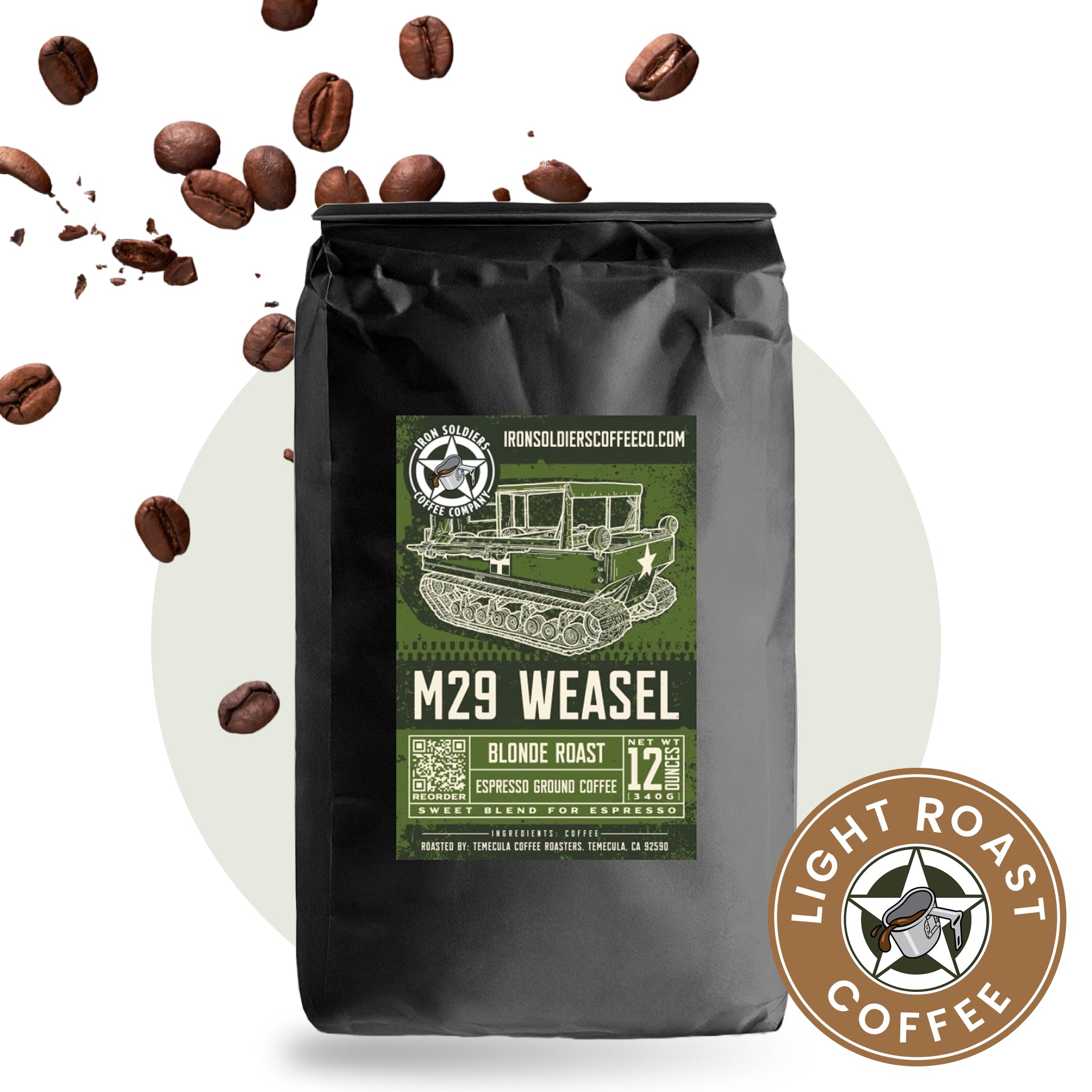
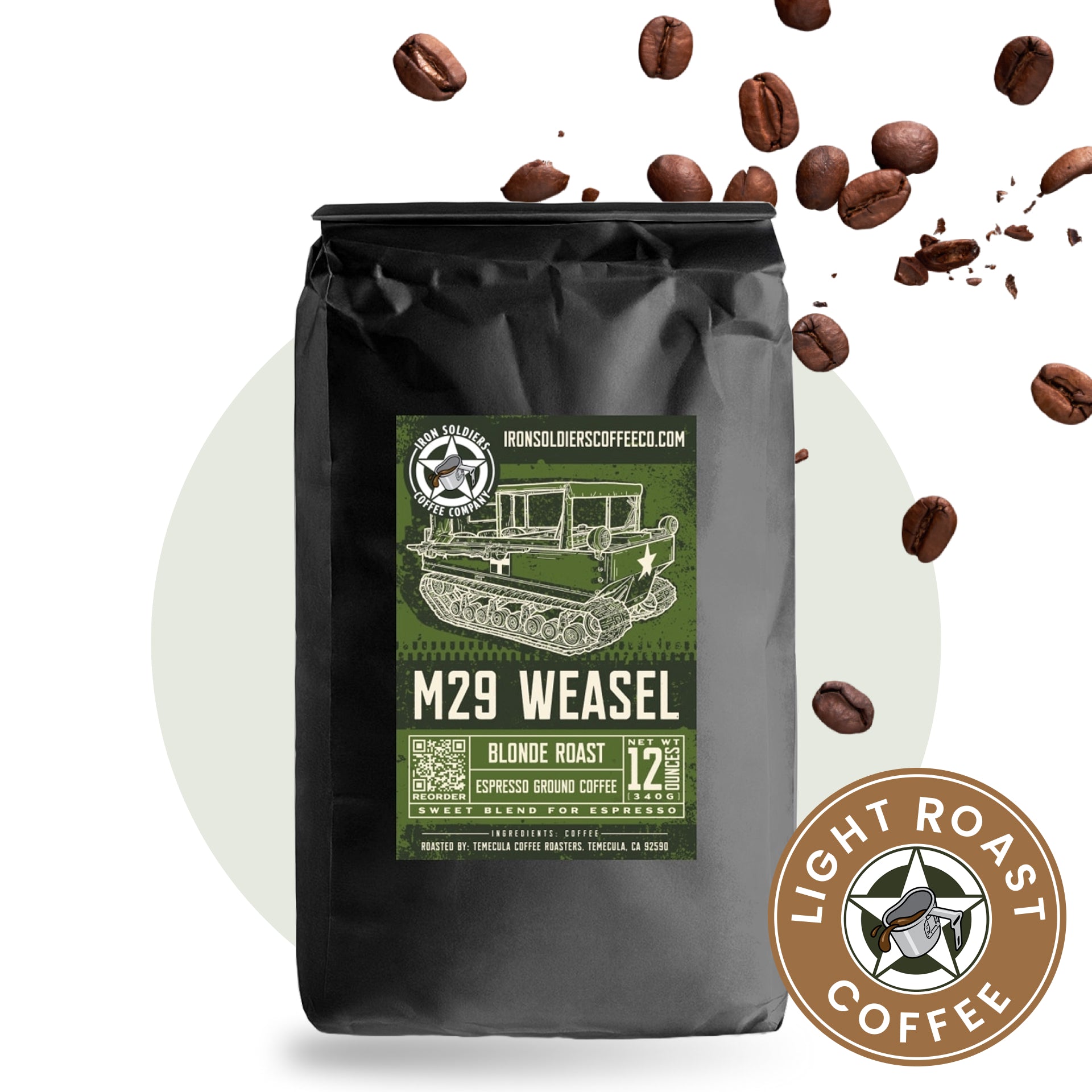
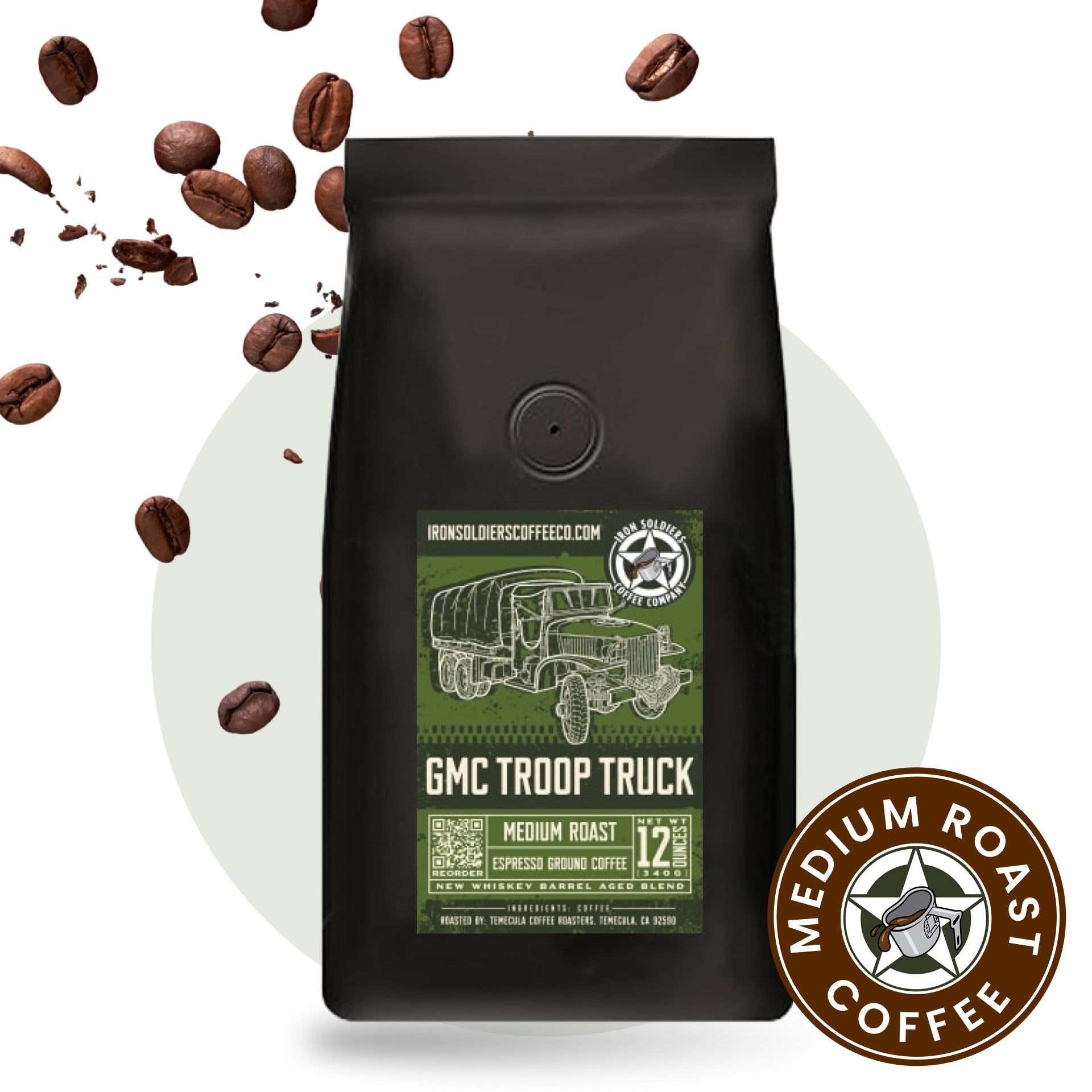
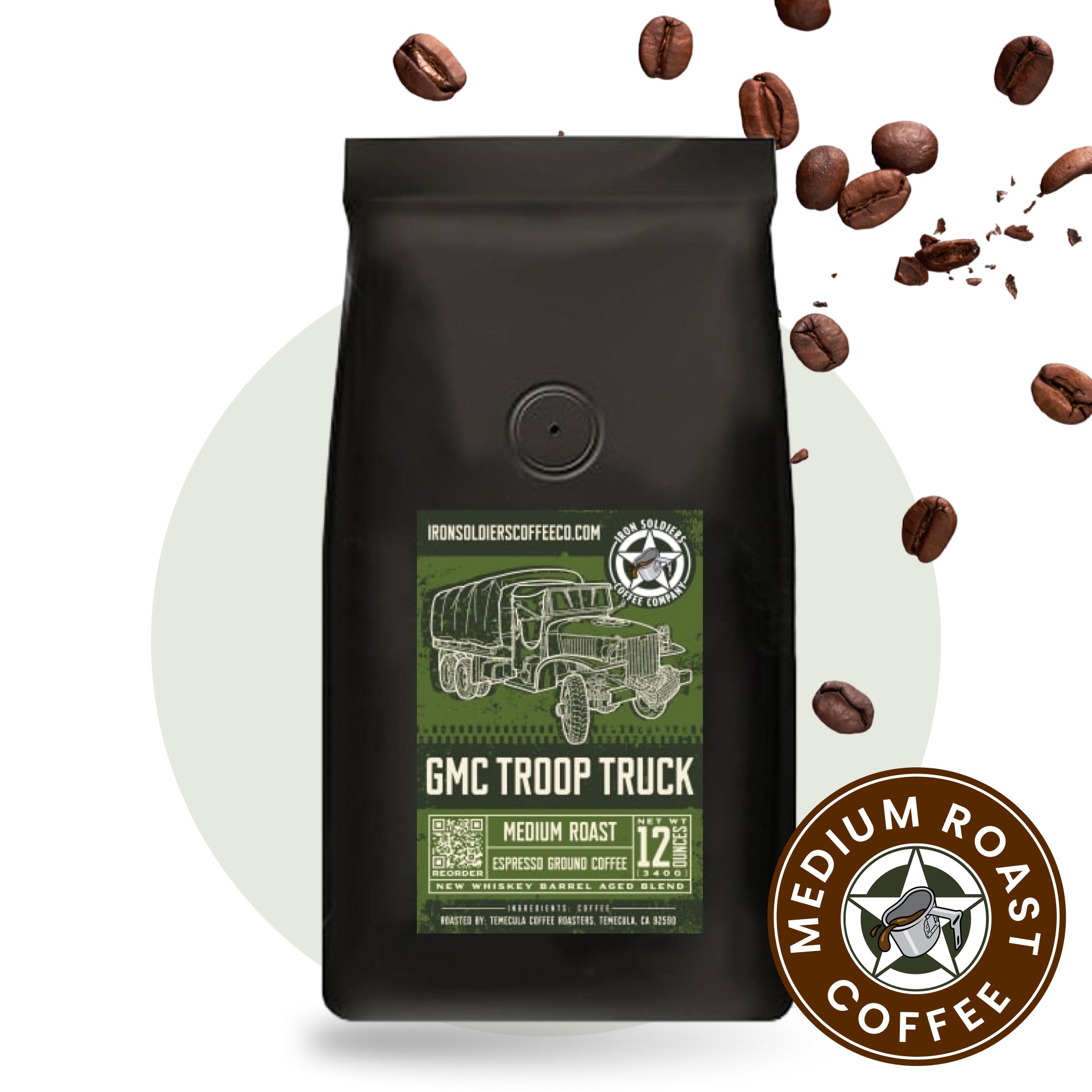
Medium roasts represent the balance point between origin character and roasted flavor development. They roast until the first crack occurs and slightly beyond, typically 10-12 minutes total. Medium roasts like Iron Soldiers' G503 Jeep Blend showcase smooth, balanced profiles with good body and subtle sweetness. These beans maintain optimal flavor for the full 2-4 week window, making them ideal for subscription fresh roasted coffee delivery.
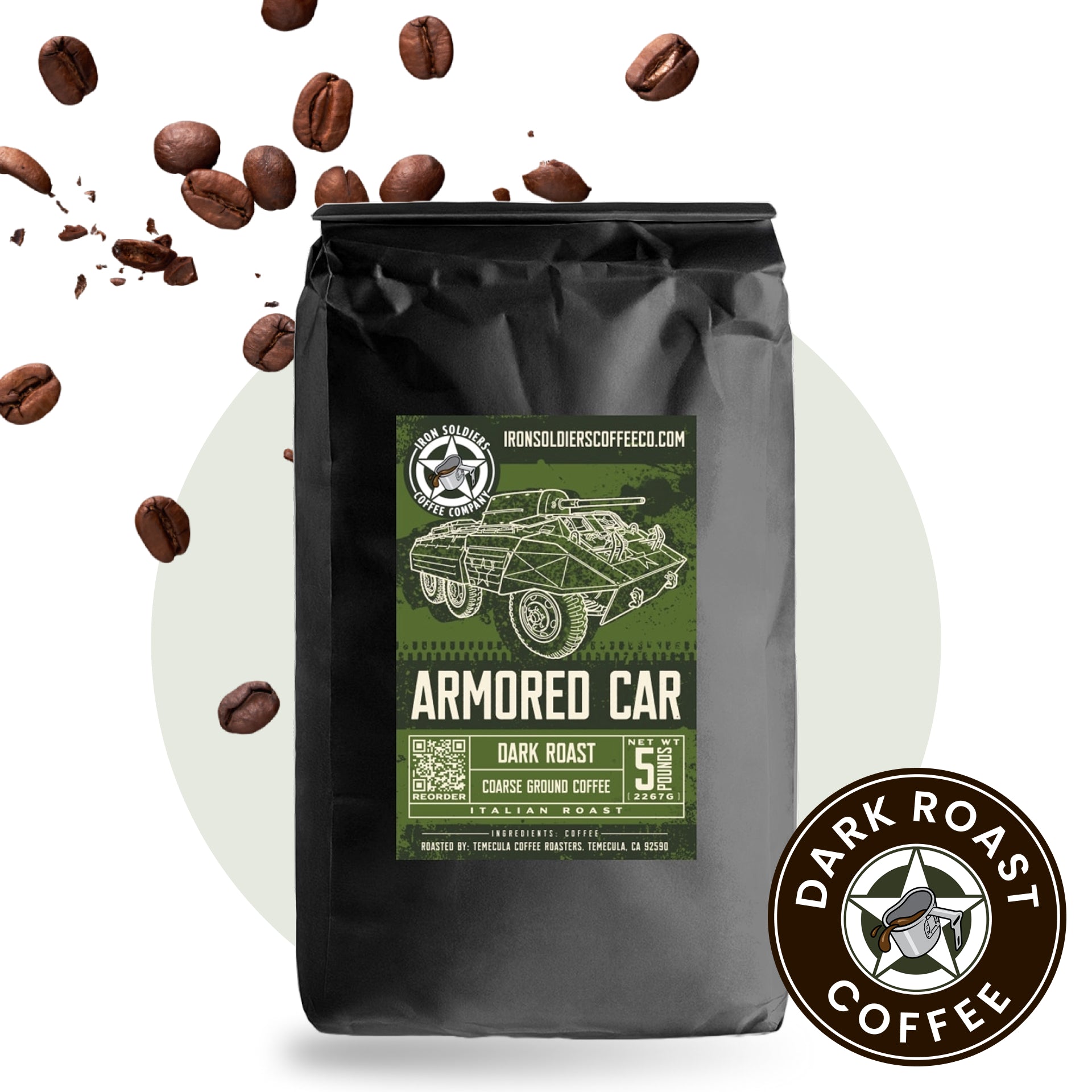
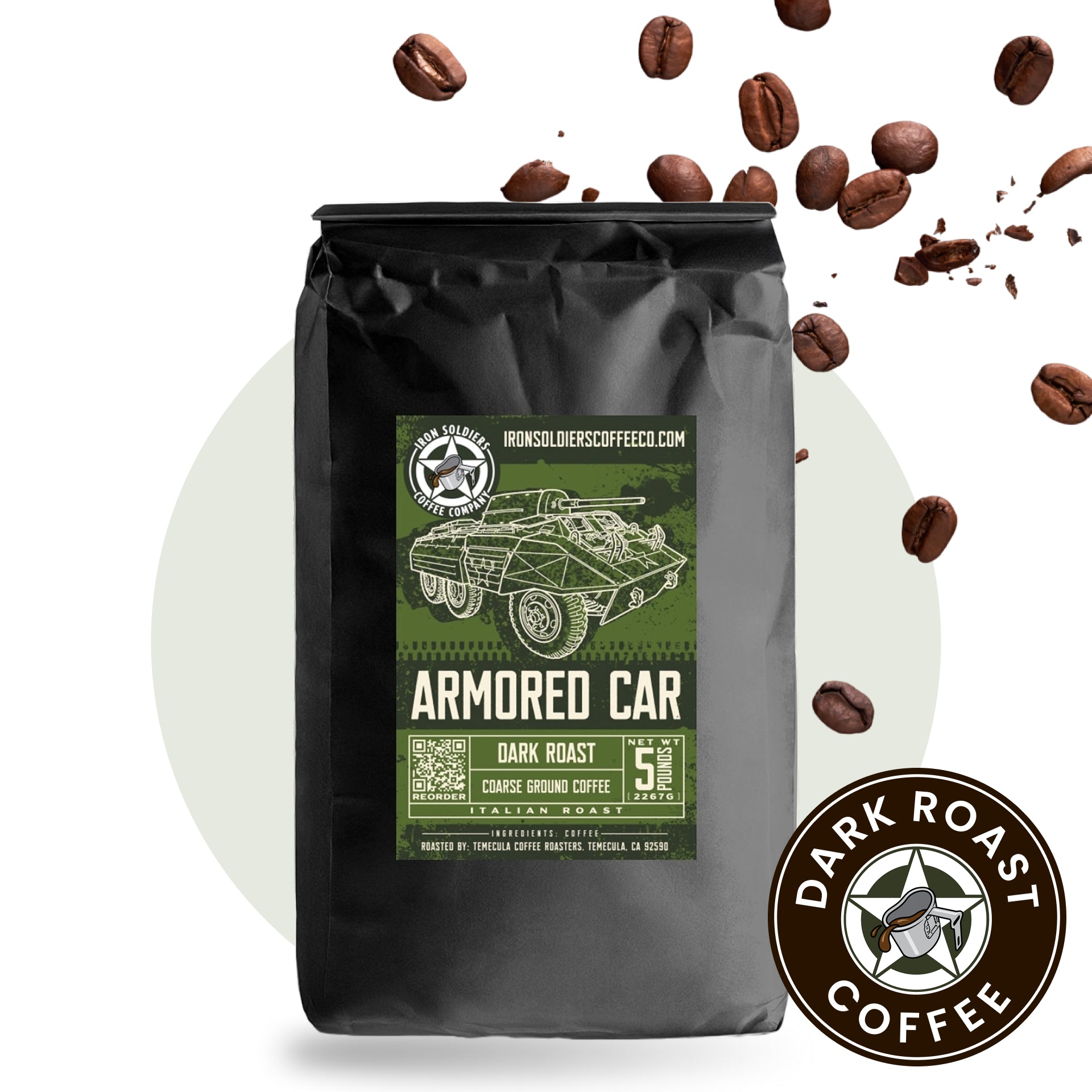
Dark roasts push beans through the second crack, developing bold, smoky characteristics and lower acidity. The extended roasting time drives off more volatile compounds, which paradoxically means dark roasts lose freshness slightly faster than lighter options. However, the strong flavors of dark roasts remain pleasant even after 4-6 weeks, making them forgiving for less frequent coffee drinkers.
Small-batch roasting, the approach used by specialty roasters offering fresh roasted coffee delivery, allows precise temperature control and shorter roasting cycles. Large commercial roasters must roast massive quantities simultaneously, which requires longer roasting times and less precise control. This difference compounds over time: small-batch roasted coffee maintains its character longer than mass-roasted alternatives.
Pro Tip
Check the roast date when your fresh roasted coffee delivery arrives. If beans were roasted more than 10 days prior, contact the roaster. Quality operations ship within 3-5 days of roasting, ensuring you receive coffee at its peak aromatic window.
How to Store Coffee Beans for Maximum Freshness: Securing Your Supply
Proper storage is your second line of defense for maintaining freshness after roasting. Even excellent fresh roasted coffee delivery loses quality rapidly if stored incorrectly. Four factors determine storage success: light exposure, temperature, humidity, and air contact.
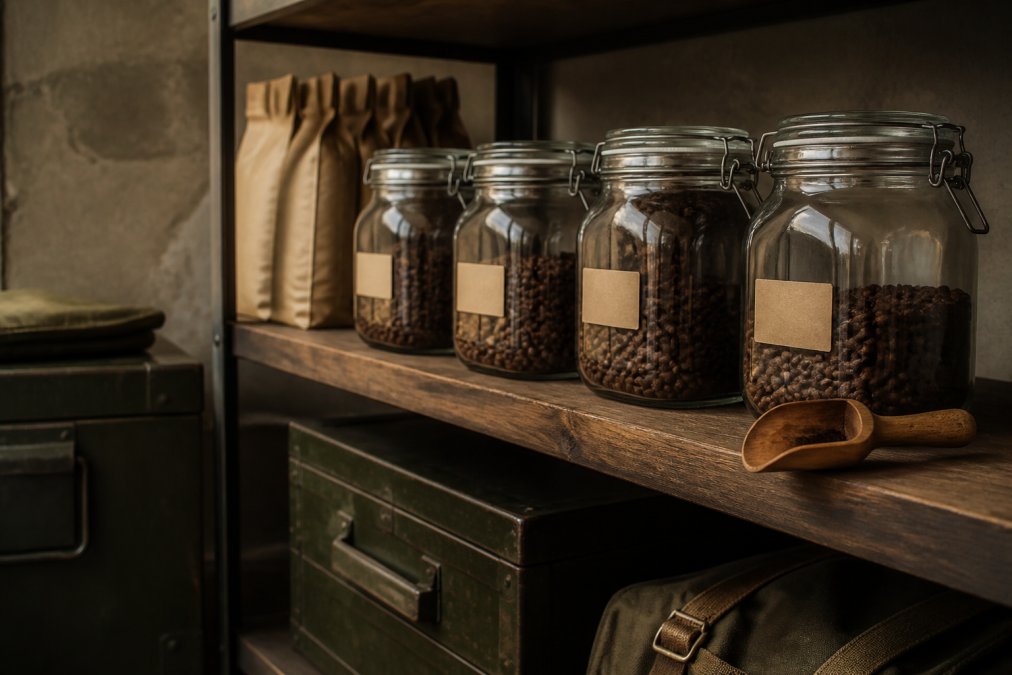
Light degrades coffee rapidly. UV rays accelerate oxidation, breaking down the compounds responsible for flavor and aroma. Store beans in opaque containers away from direct sunlight. Avoid clear glass jars on bright countertops, regardless of aesthetic appeal. Dark ceramic, stainless steel, or opaque plastic containers work best.
Temperature stability matters more than absolute coldness. Ideal storage temperature ranges from 55-75°F. Refrigerators create temperature fluctuations as they cycle, and the moisture environment accelerates staling. Freezers work for long-term storage (3+ months) but require airtight containers to prevent moisture absorption. For beans you'll consume within 4 weeks, a cool, dark cupboard beats refrigeration.
Humidity control prevents moisture absorption, which causes beans to swell and lose their crisp snap. Excess moisture also promotes mold growth in long-term storage. Keep beans in sealed containers with minimal air space. Vacuum-sealed bags work well, but once opened, transfer remaining beans to airtight containers.
Air exposure triggers oxidation. Each time you open a storage container, oxygen enters and volatile compounds escape. Minimize opening frequency by using smaller containers for daily use and storing bulk quantities separately. Some roasters ship in one-way valve bags that allow CO2 to escape while preventing oxygen entry, keep beans in these bags if storage conditions are adequate.
Key Takeaway
The best storage container is airtight, opaque, and kept in a cool, dark place away from heat sources and direct sunlight. These three conditions preserve freshness far longer than any special storage device.
Subscription vs. One-Time Purchase: Charting Your Course
Fresh roasted coffee delivery operates under two primary models: subscription services that deliver on regular schedules and one-time purchases. Each approach serves different consumption patterns and preferences.
Subscription services ensure consistent freshness by delivering new beans before your supply depletes. If you consume one pound weekly, a bi-weekly subscription guarantees you never have beans older than 3-4 weeks post-roast. This model rewards regular coffee drinkers and typically offers modest discounts compared to one-time purchases. The commitment requires planning and flexibility to pause or adjust shipments when needed.
One-time purchases provide maximum flexibility. You buy exactly what you want, when you want it, with no recurring commitments. This approach suits occasional coffee drinkers or those experimenting with different roast profiles. However, one-time purchases often carry higher per-unit costs and risk leaving you with stale beans if consumption slows unexpectedly.
The decision hinges on consumption rate. Daily coffee drinkers benefit from subscription models because consistent delivery aligns with regular usage. If you drink 5-7 cups weekly, a bi-weekly one-pound subscription maintains optimal freshness. Occasional drinkers (2-3 cups weekly) should consider one-time purchases or monthly subscriptions to avoid accumulating stale inventory.
Cost considerations matter. Subscriptions typically offer 10-15% savings compared to equivalent one-time purchases, though exact discounts vary by roaster. Over a year, regular subscribers save substantially. However, subscription services require commitment and active management to pause or skip months when needed.
Watch Out
Subscription services often default to continuous shipments. If you don't actively manage your account, you'll accumulate more coffee than you can consume before staleness sets in. Set calendar reminders to review your subscription quarterly, or choose roasters with flexible pause options.
Single-Origin and Signature Blends: Choosing Your Arsenal
Fresh roasted coffee delivery options divide into two primary categories: single-origin coffees and signature blends. Understanding the distinctions helps you select beans matching your flavor preferences and brewing method.
Single-origin coffees come from a specific geographic region, farm, or micro-lot. These beans showcase the unique characteristics of their origin, the soil composition, altitude, climate, and processing method all influence the final flavor profile. Iron Soldiers' Colombia represents a classic single-origin approach: medium roast beans from the Andean regions, delivering tasting notes of dried orange, sweet berries, and smooth chocolate. Single-origin coffees reward careful brewing and tasting attention because each origin expresses distinct characteristics.
Signature blends combine beans from multiple origins to achieve balanced, consistent flavor profiles. The G503 Jeep Blend exemplifies this approach, a medium house breakfast blend drawing from South American regions to create a smooth, approachable cup without sharp edges. Blends prioritize consistency and broad appeal over origin distinctiveness. They're ideal for everyday drinking and forgiving of minor brewing variations.
The choice depends on your brewing method and palate development. Pour-over and French press drinkers often prefer single-origin coffees because these brewing methods highlight origin characteristics. Espresso and automatic drip coffee drinkers frequently prefer blends because the roasting and brewing process already masks subtle origin flavors. Newer coffee enthusiasts typically enjoy blends; experienced tasters often explore single-origins.
Origin transparency matters for fresh roasted coffee delivery. Quality roasters specify exactly where beans come from, not just "South America," but specific countries, regions, and often individual farms. This transparency enables traceability and allows you to explore how different origins taste. Mexico's Chiapas and Oaxaca regions, for instance, produce beans with distinct spice and chocolate notes compared to Colombian origins.

Conclusion: Mission Accomplished
Fresh roasted coffee delivery transforms your daily routine from functional caffeine consumption into a purposeful experience. The mission begins with understanding roast dates, continues through proper storage, and culminates in the perfect cup.
Iron Soldiers Coffee Company stands ready to support this mission. From our G503 Jeep Blend's smooth, approachable profile to our Colombia single-origin's nuanced complexity, every bag arrives fresh and ready to deliver maximum flavor. Each purchase contributes directly to veteran support, a cause worth serving.
Frequently Asked Questions
How can I tell if my fresh roasted coffee beans are truly fresh?
Check the roast date on the bag, fresh roasted coffee is best within 2-4 weeks of roasting. Look for visible oils on whole beans and a strong aroma when you open the bag. Beans older than 30 days lose their peak flavor complexity. When brewed, fresh coffee produces a rich crema (espresso) or full body with bright, distinct tasting notes rather than flat, muted flavors. The roast date is your frontline indicator; trust it over packaging claims.
Why does fresh roasted coffee taste different from grocery store coffee?
Grocery store coffee often sits on shelves for months, losing aromatic compounds and developing stale, bitter flavors. Fresh roasted coffee, roasted within days of delivery, preserves its full spectrum of tasting notes, the chocolate, citrus, berry, or spice notes that distinguish specialty-grade beans. The roasting process releases CO2; grocery store coffee has already lost much of this gas, reducing extraction quality. Fresh roasted coffee also uses higher-quality arabica beans from direct trade or specialty sources, whereas mass-market options often blend lower-grade robusta beans for volume and shelf stability.
What does the roast date actually tell me about coffee quality?
The roast date marks when the beans reached peak flavor potential. Within 2-4 weeks post-roast, coffee is in its optimal window for extraction and taste. After 30 days, beans begin losing aromatic compounds and acidity, resulting in a flatter cup. Roast dates also reveal freshness commitment: a roaster printing the date demonstrates confidence in their product. Compare two bags side by side, one roasted 2 weeks ago, one roasted 8 weeks ago, and the difference in aroma and flavor is unmistakable. Always prioritize bags with recent roast dates for maximum mission impact.
How should I store coffee beans to keep them fresh longer?
Store whole beans in an airtight container in a cool, dark place away from heat, light, and moisture. Avoid the refrigerator or freezer unless storing for 6+ months; condensation degrades quality. Keep beans at room temperature (65-75°F) in a pantry or cabinet. Once opened, consume within 2-4 weeks for peak flavor. Ground coffee stales faster than whole beans, so grind just before brewing. Proper storage extends the freshness window and preserves the roaster's craftsmanship, ensuring every cup honors the mission.
Your next great cup awaits. Shop All Coffee at Iron Soldiers Coffee Company and discover how fresh roasted coffee delivery elevates your morning ritual while honoring those who've served.
This article was written using GrandRanker