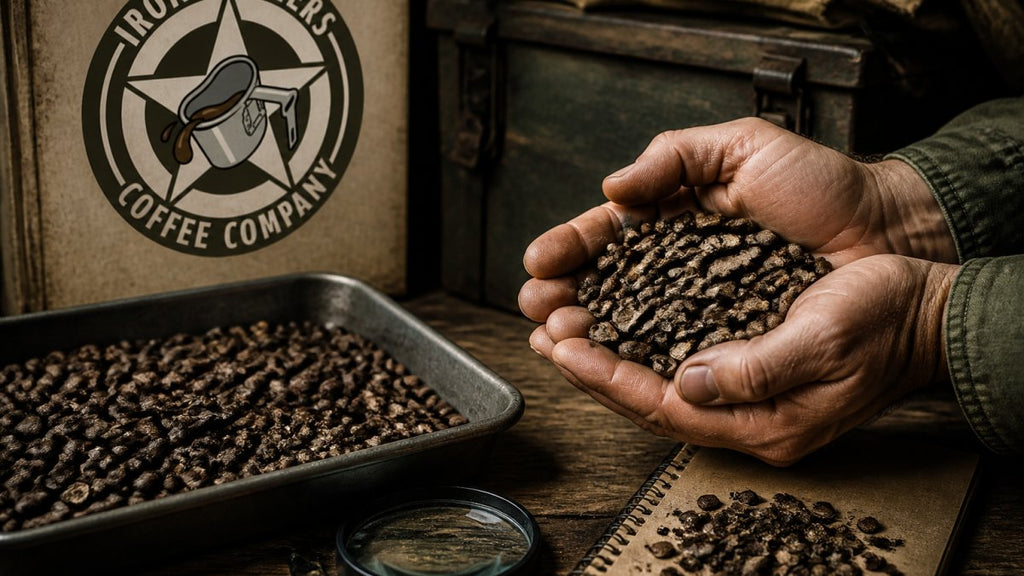
Signs of Rancid Coffee Beans: A Field Inspection Guide
Last Updated: October 27, 2026
Quick Summary
Rancid coffee beans smell sharp, musty, or sour, often with notes of wet cardboard, old oil, or a fishy edge, and they taste flat, bitter, or soapy. Crush a single bean and sniff it: if it smells flat or sharp, the batch is suspect. Clearly rancid beans should be discarded rather than masked with sugar.
- Stale coffee has lost aroma and brightness, while rancid coffee has turned chemically as its oils break down.
- Dark roast can mask early rancidity because its smoky intensity hides off-odors.
- Whole beans hold up longer than ground coffee, and dark roast shows its age faster than medium roast.
- Store beans in an airtight container away from the stove, oven, and sunny counters, and skip the fridge for daily-use beans.
- Mildly stale beans can go into cold brew or baking, but moldy or damp beans mean discard and clean the container.
Table of Contents
- Why Rancid Coffee Beans Slip Past Inspection
- Stale, Rancid, or Moldy: Knowing the Difference
- What Do Rancid Coffee Beans Smell Like?
- What Do Old Coffee Beans Taste Like?
- Coffee Bean Shelf Life: How Long Before the Decline
- How to Store Roasted Coffee Beans to Hold the Line on Freshness
- What to Do With Suspect Beans
- Stock Your Rations With Fresh Iron Soldiers Coffee
- Frequently Asked Questions
Why Rancid Coffee Beans Slip Past Inspection
Rancid coffee beans rarely announce themselves with a warning siren. They hide behind a roasted color, a familiar bag, and a label that still looks sharp. That is why so many cups go bad before anyone thinks to question the supply. The signs of rancid coffee beans to avoid are easier to miss than most drinkers expect. Our How to Tell if Coffee is Fresh Roasted: A Field Manual walks you through spotting the signs of quality beans.
Here is the core problem. Staleness is slow and quiet. Rancidity is a chemical shift in the oils, and it does not always show on the outside.
Below, we walk through how to inspect your supply like a quartermaster checks rations: smell, taste, texture, and date. A few simple checks can help you assess your beans before they reach your mug.
Stale, Rancid, or Moldy: Knowing the Difference
These three failures get lumped together, but they are not the same enemy. Stale coffee has lost its punch. Rancid coffee has turned chemically. Moldy coffee has gone bad.
Treat each one differently.
Stale Beans
Stale coffee is coffee that has lost aroma and brightness through age and air exposure. It is flat. The beans may look fine. The brew tastes dull, weak, or hollow.
Stale beans are the most common casualty in a kitchen cabinet.
Rancid Beans
Rancid coffee happens when the oils on the bean surface break down through oxygen exposure, heat, and time. The flavor turns sharp, bitter, or soapy. This is a chemical decline, not just a loss of freshness.
Rancid beans can still look normal. The nose usually knows first.
Moldy Beans
Mold is a different concern. It may show as fuzz, white or green patches, or clumping from moisture.
What Do Rancid Coffee Beans Smell Like?
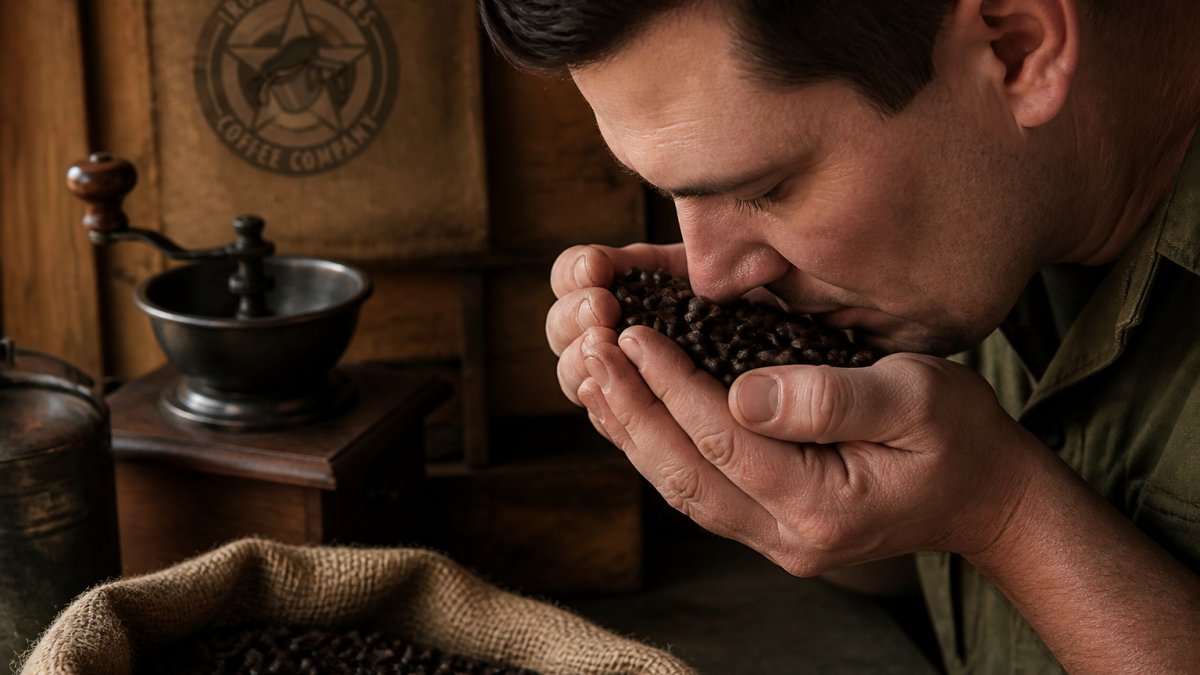
Rancid coffee beans smell wrong in a way that is hard to forget once you learn it. The aroma turns sharp, musty, or sour. You may catch notes of wet cardboard, old oil, or a fishy edge. Fresh beans smell sweet, roasted, and alive. The nose is your first sentry, and it usually reports before the brew does.
Here is how to run a smell check like a quartermaster inspecting rations:
- Open the bag and take a short sniff, not a deep one.
- Compare it to the memory of a fresh roast you trust.
- Look for off-odor: sour, musty, paint-like, or fishy. Sour notes often read as vinegar or fermented fruit. Musty notes read as damp basement or old paper. Paint-like notes read as solvent or chemical.
- Crush a single bean between your fingers and smell again.
- If the crushed bean smells flat or sharp, the batch is suspect. Flat means the aromatics are gone. Sharp means the oils have turned.
A common mistake is judging by the bag alone. Another mistake is storing beans next to strong-smelling foods; coffee absorbs odors, and a fishy or spicy note may come from the pantry, not the bean.
Roast level changes the smell profile. Dark, oily beans may show surface oil and develop off-odors differently than medium roasts. A dark roast can smell smoky and intense when fresh, and that intensity can mask early rancidity. Medium roasts tend to show a clearer sweet-and-nutty baseline, so off-notes stand out faster. If you are unsure whether a smell is normal roast character or spoilage, compare it to the same roast from a known-fresh batch.
What Do Old Coffee Beans Taste Like?
Old coffee beans taste flat first, then bitter, then sharp. The brightness disappears. You lose the sweetness and the fruit or chocolate notes. What is left is a dull, papery, or cardboard taste. The mechanism is simple: the volatile aromatic oils that carry the bright, sweet notes evaporate and oxidize, while the heavier, bitter compounds remain. That is why old coffee tastes hollow rather than just weak.
Watch for these flavor signals:
A210 Airscape Stainless Steel Medium Coffee Container →
- Flat flavor with no finish
- Dull flavor that fades fast
- Bitter taste that bites the back of the tongue
- Cardboard taste or a papery dryness
- A soapy or oily edge on the swallow
Stale and rancid taste different, and the difference matters.
Run a controlled taste test before you toss a batch:
- Brew a small cup with your normal ratio and water temperature.
- Slurp, do not sip.
- Note the first impression, the middle, and the finish.
- Let the cup cool for a few minutes and taste again.
- Compare against a known-fresh cup if you have one.
Coffee Bean Shelf Life: How Long Before the Decline
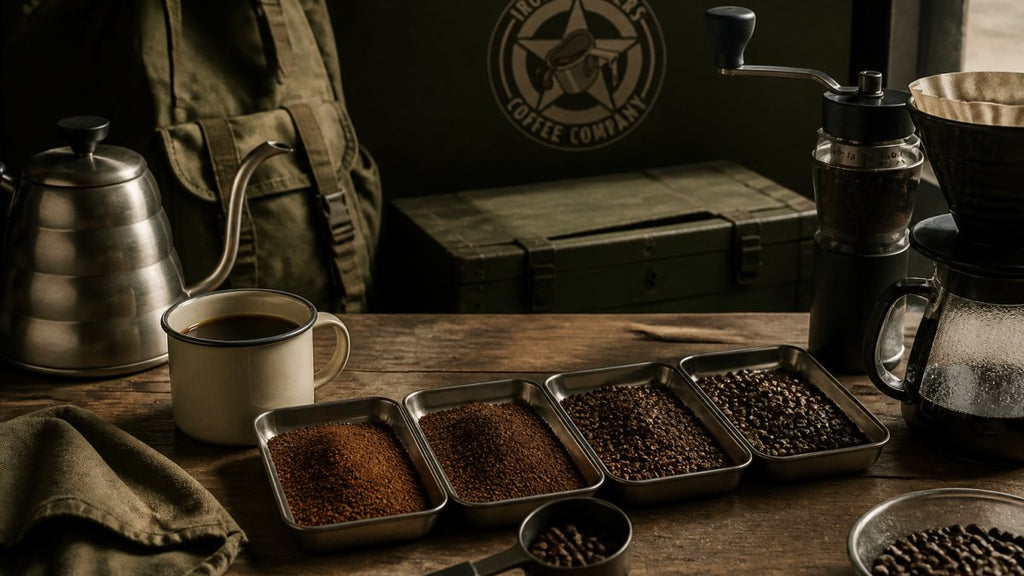
Coffee bean shelf life depends on the bean state, the roast level, and how it is stored. Whole beans hold up longer than ground coffee. Dark roast shows its age faster because the oils sit closer to the surface.
Use this field guide as a working timeline:
| Bean State | Best Window | Decline Signs |
|---|---|---|
| Whole beans, sealed | A few weeks past roast | Aroma fades, brew goes flat |
| Whole beans, opened | Days to a couple of weeks | Brightness drops, sharp notes appear |
| Ground coffee | Much shorter than whole | Rapid loss of aroma and body |
| Dark roast | Shorter than medium roast | Surface oils turn, sharp smell |
| Medium roast | Steady, moderate window | Slow fade, then dullness |
How to Store Roasted Coffee Beans to Hold the Line on Freshness
Storage is where most drinkers lose the battle. The enemies are oxygen, moisture, heat, and light. Cut those four off and your beans hold the line far longer.
Follow these steps:
- Keep beans in an airtight container, not the open bag
- Store away from the stove, oven, and sunny counters
- Skip the fridge and freezer for daily-use beans
- Buy in amounts you will finish within the freshness window
- Grind just before brewing for the best cup
- Keep a small sealed bag for travel or backup
Our A210 Airscape Stainless Steel Medium Coffee Container uses patented airtight technology to remove oxygen from the container, helping prevent coffee from going stale and losing flavor.

Watch out: storing beans in the fridge pulls in moisture and odors from other food, which speeds the decline.
What to Do With Suspect Beans
Suspect beans do not have to be a total loss, but you need a clear call. Use this decision framework:
- Smell check: sharp, musty, or fishy means stop.
- Look check: fuzz, clumping, or green patches means discard.
- Taste check: brew a small cup. Flat and dull means use it up fast. Bitter and sharp means toss it.
- Date check: if it is well past the roast window and smells off, retire it.
Here is the practical playbook:
- Mildly stale: brew stronger, use for cold brew, or finish it in baking.
- Clearly rancid: discard. Do not mask it with sugar.
- Moldy or damp: discard and clean the container.
- Unsure: discard. Rations are replaceable.
Stock Your Rations With Fresh Iron Soldiers Coffee
Freshness starts at the source.
Every bag also sends $1 to a volunteer-only nonprofit that supports veterans and their families.
Frequently Asked Questions
How can you tell if coffee beans are rancid?
Start with your nose. Rancid coffee beans carry an off-odor that reads as fishy, oily, or like old cooking fat, not the roasted fragrance you expect. Brew a small test cup and check for flat flavor, cardboard taste, or a bitter bite that lingers.
What do old coffee beans taste like compared to fresh ones?
Old coffee beans lose brightness first. The cup turns flat and dull, with the fruit or floral notes fading into a generic, woody background. You may notice a cardboard taste or a bitter finish that wasn't there before.
Is it safe to drink coffee made from stale beans?
Stale coffee beans are a quality concern. The cup may taste flat. Moldy beans are a different matter. Visible fuzz, patches of white or green growth, or a musty, damp smell are signs to note.
How long do roasted coffee beans stay fresh?
Whole roasted beans hold peak flavor for roughly two to four weeks after the roast date when kept in an airtight container away from light, heat, and moisture. Ground coffee declines faster, often within a week or two, because more surface area meets oxygen. Coffee bean shelf life stretches longer in a sealed bag, but flavor fades steadily after the freshness window closes. Check the roast date on every bag and buy in quantities you will finish within that window.
Your next cup is only as good as the beans behind it. If you are tired of guessing whether your supply has turned, let us handle the freshness from the start. Iron Soldiers Coffee Company roasts fresh beans, ships them ready to brew, and backs every bag with support for veterans and their families. Get started with Iron Soldiers Coffee Company and stock your rations with coffee worth the mission.