How to Stop Oxidation from Ruining Your Coffee Flavor
Last Updated: November 6, 2026
Quick Summary
Oxidation strips electrons from the lipids and volatile aromatic compounds in roasted coffee, flattening the bright citrus, cocoa, and caramel notes that define coffee flavor. Oxidized coffee tastes flat, muted, and papery, and no brewing adjustment brings the lost coffee flavor back.
- Oxidized coffee loses bright acidity and aroma first, then sweetness, then everything else.
- Brew only what you will drink in the next hour or so to limit oxidation of brewed coffee.
- Whole beans hold peak flavor about two to four weeks past roast in an airtight container.
- Ground coffee is noticeably muted within one to two weeks even in a sealed container.
- Degassing releases carbon dioxide after roasting; oxidation is the breakdown of flavor compounds by oxygen.
Tired of flat, stale coffee?Iron Soldiers Coffee Company ships fresh roast-to-order beans with $1 per bag to veteran nonprofits.
Shop Fresh Coffee Beans
Table of Contents
- The Silent Enemy: How Oxidation Attacks Your Coffee
- What Does Oxidized Coffee Taste Like?
- Oxidation of Brewed Coffee: The Clock Starts Ticking
- How Long Does Ground Coffee Stay Fresh?
- How to Keep Coffee Beans Fresh: Tactics That Work
- Oxidation vs. Degassing: Know the Difference
- Brewing Variables That Speed Up Oxidation
- Defend Your Coffee Flavor: Your Next Mission
- Frequently Asked Questions
The Silent Enemy: How Oxidation Attacks Your Coffee
Oxidation is the chemical reaction between oxygen and the compounds in coffee that give it flavor and aroma, and it is a major factor in coffee flavor once a roast leaves the roaster. It does not attack all at once. It advances compound by compound, and by the time most drinkers notice, the damage is already done.
Here is the briefing. Oxygen meets the lipids and volatile aromatic compounds in roasted coffee and begins stripping electrons from them. Those compounds are what carry the bright citrus, the cocoa, the caramel. Once oxidized, they do not return. The coffee flavor flattens, and no brewing adjustment brings it back.
Below, we break down exactly what oxidation does, how to spot it, and how to defend your supply.
What Does Oxidized Coffee Taste Like?
Oxidized coffee tastes flat, muted, and papery, with the bright acids and fruit notes replaced by dull, earthy, or musty tones. In advanced cases you may catch a metallic edge or a flavor resembling cardboard.
A common mistake is blaming the brewer for a cup that has gone quiet. Usually the beans were already compromised. Oxidized coffee loses its bright acidity and aroma first, then its sweetness, then everything else. If your cup smells like nothing before you even sip it, oxidation has made its move. Our guide to signs of rancid coffee beans walks through a field inspection you can run on your current supply.
Oxidation of Brewed Coffee: The Clock Starts Ticking
The oxidation of brewed coffee happens fast, because heat and water have already opened the bean's structure and released its volatile compounds. Once you brew, those compounds are exposed and the clock starts ticking immediately.
Cooling accelerates the decline. A pot left on a warmer keeps degrading, and a cup left sitting on the desk does the same. The practical order of battle: drink it fresh, and if you cannot, keep it in a sealed thermal container rather than an open carafe. Brew only what you will drink in the next hour or so. This is the same principle that governs bean storage, just on a shorter timeline.
How Long Does Ground Coffee Stay Fresh?
Ground coffee stays fresh for a much shorter window than whole beans, because grinding multiplies the surface area exposed to oxygen. Whole beans hold their flavor for weeks after roasting; ground coffee begins losing aroma within days. The variable that matters most is roast date, not the date printed as a shelf-life estimate. A bag ground weeks ago is already in retreat no matter what the label promises.
The practical timeline, under typical kitchen conditions, runs roughly like this: whole beans kept in an airtight container away from light and heat hold peak flavor for about two to four weeks past roast, then decline gradually for another few weeks. Ground coffee, by contrast, is at its best within a few days of grinding and noticeably muted within one to two weeks, even in a sealed container.
If you want to judge freshness before oxidation sets in, know the ideal window: our guide to the ideal roast date for coffee beans explains how to read a roast date and what it tells you about the coffee flavor still inside. The short version for ground coffee is to buy whole bean, grind in small batches, and treat the grinder as the last step before the brewer, not a morning chore done days in advance.
Here is the practical freshness timeline, under typical kitchen conditions.
| Form | Peak freshness | Decline |
|---|---|---|
| Whole beans, airtight, away from light and heat | About two to four weeks past roast | Gradual decline for another few weeks |
| Ground coffee, even in a sealed container | Within a few days of grinding | Noticeably muted within one to two weeks |
How to Keep Coffee Beans Fresh: Tactics That Work
Keeping coffee beans fresh comes down to denying oxygen, light, heat, and moisture any foothold. Store whole beans in an airtight container, keep it cool and dark, and buy in quantities you will finish within a few weeks.
The tactics, in order of impact:
- Remove the air, not just seal the bag. A one-way valve bag helps, but a container that pushes oxygen out is better.
- Keep beans whole until brew day. Grind immediately before brewing to limit air exposure.
- Store in a cool, dark place. Heat and light both accelerate the breakdown of aromatic compounds.
- Buy to your pace. A smaller supply rotated often beats a bulk stockpile going stale on the shelf.
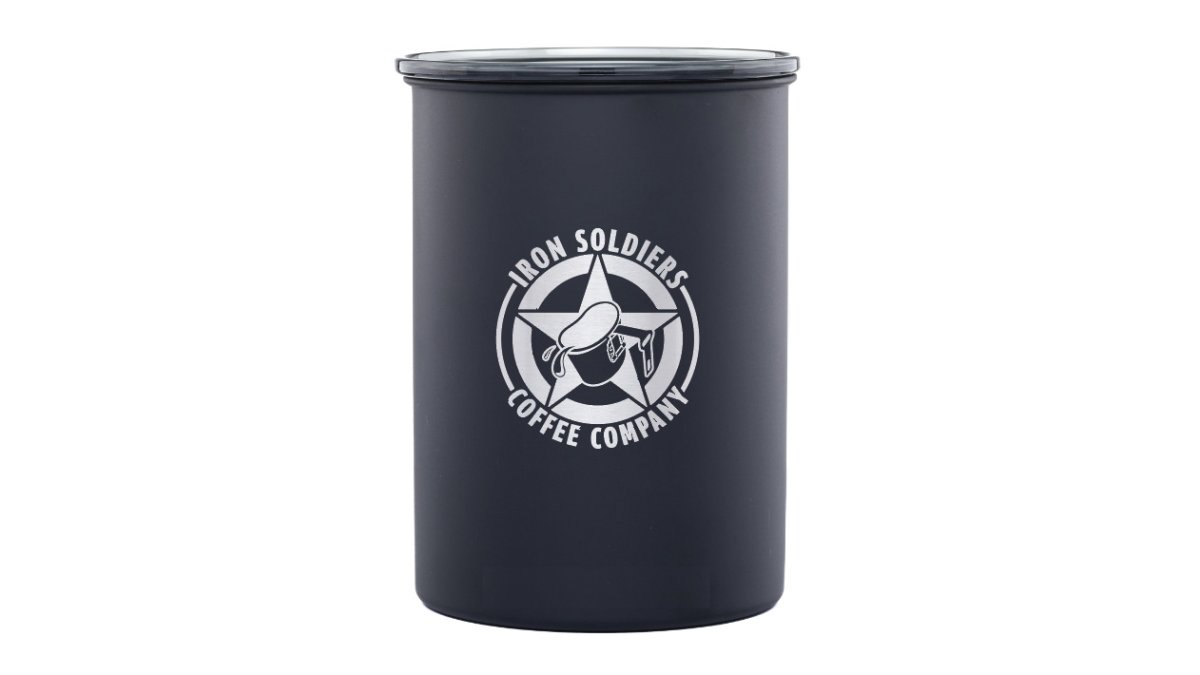
For a deeper playbook on storage tactics, read our field manual on storing coffee beans for freshness. When you are ready to act, the A210 Airscape stainless steel coffee container uses patented airtight technology to remove oxygen from the canister and protect your beans from going stale.

Oxidation vs. Degassing: Know the Difference
Oxidation and degassing are not the same process, and confusing them leads to bad storage decisions. Degassing is the release of carbon dioxide that roasted beans give off naturally after roasting; oxidation is the breakdown of flavor compounds caused by oxygen.
Degassing is the release of carbon dioxide after roasting, while oxidation is the breakdown of flavor compounds caused by oxygen. The two are different processes.
Brewing Variables That Speed Up Oxidation
Brewing choices can accelerate oxidation. The mechanism is surface area and contact time: every variable that exposes more coffee to air, or holds it in contact with air longer, speeds the breakdown of the aromatic compounds you are trying to preserve. Higher water temperature, longer hold times, and agitation all increase the contact between oxygen and those compounds.
Grind size is the first lever. A finer grind exposes more surface area per gram, so the window for peak flavor narrows. An espresso shot pulled from finely ground coffee is already oxidizing the moment it leaves the portafilter, which is why the crema fades and the shot goes flat within a minute or two. A coarse French press grind exposes less surface area per gram but sits in contact with air and water for four minutes or more, so the trade-off is time instead of area.
The brew method sets the exposure profile. Pour-over and drip expose a thin bed of grounds to air and water over several minutes. Immersion methods like French press keep the grounds submerged, which limits new oxygen contact during the steep but leaves the brewed coffee sitting in an open carafe afterward. Pressure methods like espresso finish fast but leave a small, hot, aerated shot that degrades quickly. None of these is inherently better; each just moves the oxidation risk to a different point in the process.
The serving vessel matters as much as the brewer. A wide, shallow cup exposes more liquid surface to air than a tall, narrow one. A carafe left open on a warmer keeps a large surface area at serving temperature, which is the worst combination for holding flavor. A sealed thermal container limits new oxygen contact and holds heat, which is why it beats an open carafe for any coffee you cannot drink immediately.
Grind just before you brew, match the grind to your method, and serve promptly into a vessel that limits surface exposure.
Defend Your Coffee Flavor: Your Next Mission
The challenge is simple: most coffee loses its best qualities before it ever reaches your mug, and the culprit is oxygen, not the brewer. Defending coffee flavor means shortening the distance between roast and cup and denying air any chance to work.
That is the mission we run at Iron Soldiers Coffee Company. We offer whole bean and ground options across blends, single origins, flavored, and mushroom coffee, and one dollar from every bag supports a volunteer-only nonprofit serving veterans and their families. Start with our single origin favorites sample pack to find your blend, or order fresh coffee beans for delivery and keep your supply rotating.
Your coffee flavor is only as strong as its supply line. Let Iron Soldiers Coffee Company keep it fresh from roast to doorstep, with roast-to-order shipping, airtight storage options, and a mission that gives back with every bag. Get started with Iron Soldiers Coffee Company and brew a cup worth defending.
Frequently Asked Questions
What happens to coffee when it oxidizes?
When coffee oxidizes, oxygen reacts with compounds in the beans, breaking down aromatic oils and acids. This leads to stale, flat, and muted flavors, often with earthy or metallic off-notes. The coffee loses its brightness and complexity, and the aroma fades. To slow oxidation, store beans in an airtight container away from light and heat.
What does oxidized coffee taste like?
Oxidized coffee tastes stale, flat, and muted, with a noticeable lack of sweetness and acidity. You might detect cardboard, papery, or earthy notes, and sometimes a metallic or musty finish. The vibrant aromatics are gone, leaving a dull, lifeless cup. If your coffee suddenly tastes bland or off, oxidation is likely the culprit.
How long does it take for coffee to oxidize after grinding?
Ground coffee oxidizes much faster than whole beans because of increased surface area. Within 15 to 30 minutes, noticeable flavor loss can occur, and after a few days, the coffee may taste stale. For best results, grind just before brewing and store grounds in an airtight container in a cool, dark place.
How can you slow oxidation and keep coffee fresh?
To slow oxidation, keep beans whole until brewing, store them in an airtight container like the Airscape canister that removes oxygen, and keep them away from light, heat, and moisture. Buy only what you'll use within a few weeks, and Freshness is your best defense.

Related post

06
Nov