Does Mushroom Coffee Taste Like Mushrooms?
Table of Contents
- The Truth About Mushroom Coffee Flavor
- Flavor Profile Breakdown: What You're Actually Tasting
- Is Mushroom Coffee Good for Energy?
- Caffeine Content in Mushroom Coffee Explained
- How to Brew Mushroom Coffee for Maximum Flavor
- Mushroom Coffee vs. Regular Coffee: Taste Comparison
- Conclusion: Making Your First Mission-Ready Brew
Last Updated: August 29, 2026
The Truth About Mushroom Coffee Flavor
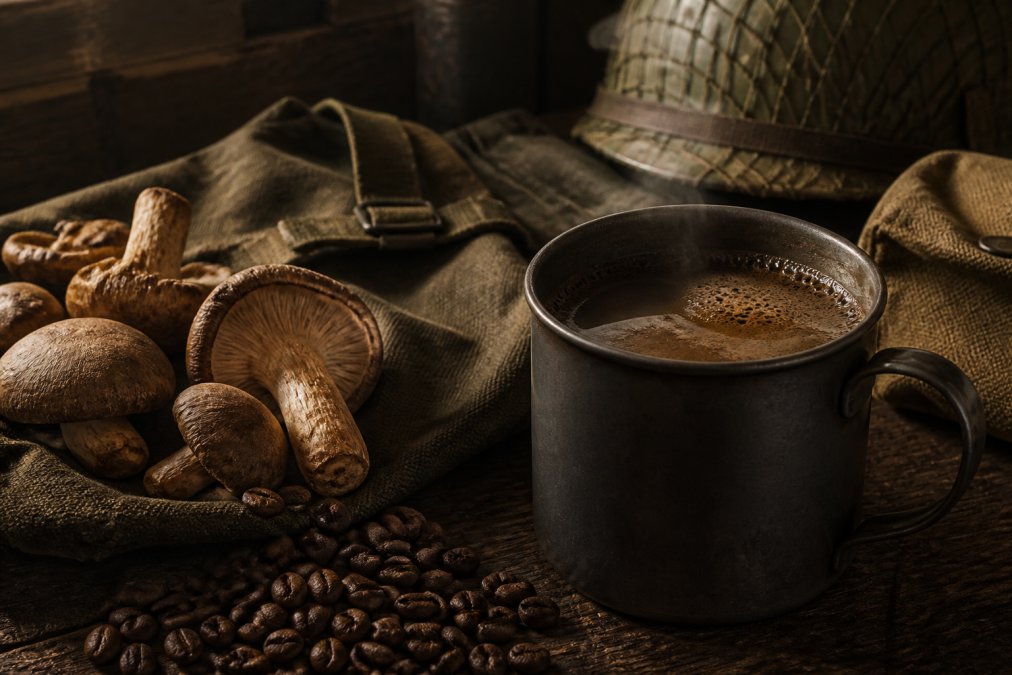
Does mushroom coffee taste like mushrooms? The short answer is no. This is the misconception that stops most people from trying it, and it's worth clearing up immediately. Mushroom coffee doesn't taste fungal or earthy in a bad way. Instead, it delivers a smooth, balanced cup with subtle depth that complements rather than dominates the coffee experience.
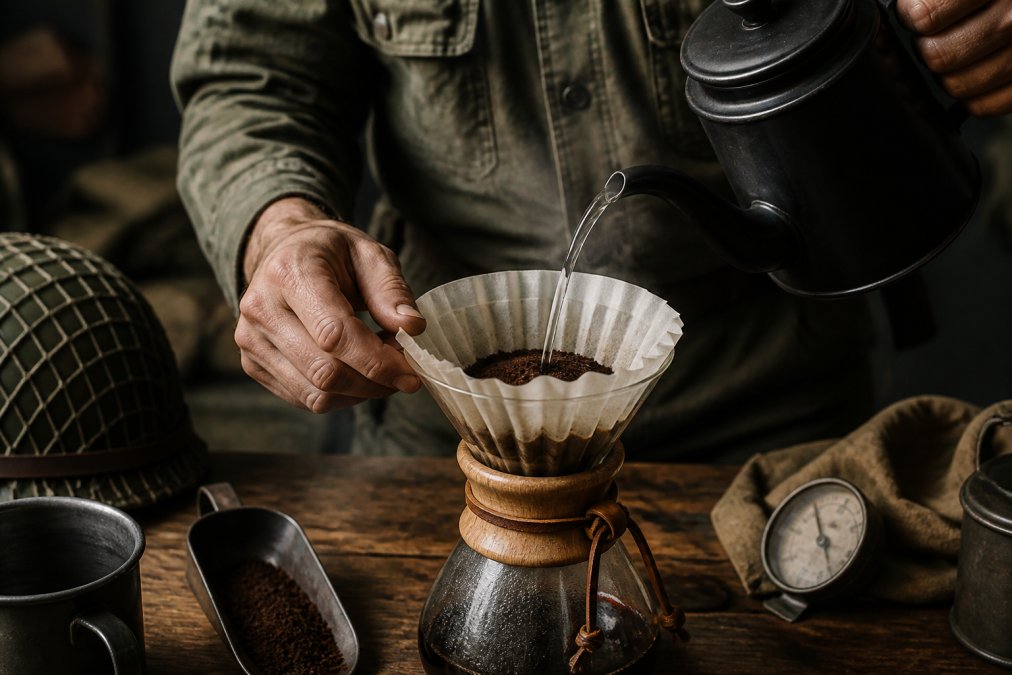
At Iron Soldiers Coffee Company, we craft our Mushroom Coffee - Frontline Focus Blend to deliver a smooth, balanced cup. When brewed properly, mushroom coffee tastes remarkably close to premium regular coffee, with a slightly smoother finish and less bitterness. The medicinal mushrooms, in our case, Reishi, work behind the scenes, adding complexity without announcing themselves as "mushroom."

The real question isn't whether it tastes like mushrooms. It's whether you'll actually enjoy drinking it every day. That depends on understanding what you're tasting and how to brew it correctly.
Flavor Profile Breakdown: What You're Actually Tasting
Mushroom coffee's flavor profile is more nuanced than most guides suggest. The taste comes from two distinct components working together: the coffee itself and the mushroom extract powder blended into the grounds.
The coffee carries the primary flavor. Whether you choose a medium or dark roast determines your baseline, medium roasts preserve more acidity and bright notes, while dark roasts deliver deeper, more strong characteristics. The mushroom extract adds what tasters describe as earthy undertones and umami notes, but these sit in the background rather than taking center stage.
When you cup a well-made mushroom coffee, you're experiencing layered sensations. The initial aroma is pure coffee, roasted, inviting, familiar. The first sip brings that coffee bitterness and acidity you expect, followed by a smooth finish that lingers slightly longer than standard coffee. That extended finish is where the mushroom extract's contribution becomes apparent. It's not a mushroom taste. It's a smoothness that reduces the sharp edges some people find unpleasant in regular coffee.
Earthy Undertones and Umami Notes
The earthy character comes from the mushroom mycelium and fruiting body extracts used in quality blends. This isn't the dirt-like earthiness of poor-quality soil. It's more like the sensation you get from high-quality dark chocolate or aged wood, a subtle, sophisticated note that suggests depth without being unpleasant.
Umami, often called the fifth taste, is the savory quality found in aged cheeses, mushrooms, and fermented foods. Medicinal mushrooms carry natural umami compounds. When these blend with coffee, they amplify the coffee's existing savory notes rather than introducing something foreign. Coffee already contains umami elements, that's part of why it tastes satisfying. The mushroom extract simply enhances this existing characteristic.
This combination means mushroom coffee often feels more satisfying than regular coffee, even when the caffeine content is similar. Your palate registers a more complete taste experience. The umami notes create a sense of fullness that keeps you satisfied longer between cups.
Roasted Depth and Smooth Finish
The roasting process determines much of the final flavor. A dark roast mushroom coffee will taste bolder, with pronounced roasted aroma and deeper body. Medium roasts preserve more of the coffee bean's origin characteristics while still allowing the mushroom extract to add its smooth finish.
What distinguishes mushroom coffee most clearly from regular coffee is the mouthfeel. Standard coffee can have a drying, slightly astringent finish, that puckering sensation on your tongue. The mushroom extract reduces this significantly. The bioactive compounds in medicinal mushrooms create a smoother texture that coats your mouth more pleasantly. This is why people who find regular coffee harsh often report that mushroom coffee feels gentler on their palate.
The finish, that aftertaste that lingers after you swallow, also differs noticeably. Regular coffee's finish can be sharp or bitter. Mushroom coffee's finish tends toward subtle sweetness with that smooth, almost creamy quality. This isn't because sugar was added. It's the natural effect of the extract powder on how your taste receptors register the final notes.
Is Mushroom Coffee Good for Energy?
Yes, mushroom coffee delivers sustained energy, though the mechanism differs slightly from regular coffee. The caffeine content remains the primary driver of alertness, but the mushroom extract may enhance how your body processes and utilizes that caffeine.
Medicinal mushrooms like Reishi contain adaptogens, compounds that help your body manage stress and maintain balance. When combined with caffeine, this creates a different energy profile than coffee alone. You get the mental clarity and alertness from the caffeine without the jittery sensation some people experience. The energy feels more stable, less prone to the crash that follows a regular coffee boost.
This makes mushroom coffee particularly valuable for people managing demanding schedules. Shift workers, professionals handling high-stress projects, and anyone requiring sustained focus throughout the day often report that mushroom coffee keeps them sharp without the afternoon energy collapse. The blend of caffeine and adaptogenic support creates what many describe as a "mission-ready" state of alertness.
The sustained energy aspect also relates to how the blend affects blood sugar. Coffee alone can trigger rapid blood sugar spikes that lead to energy crashes. The mushroom extract appears to moderate this response, creating more stable energy levels over a longer period. This is why many users report needing fewer cups throughout the day when switching to mushroom coffee.
Caffeine Content in Mushroom Coffee Explained
Caffeine content in mushroom coffee is comparable to regular coffee, typically ranging from 95 to 200 milligrams per 8-ounce cup depending on brew strength and coffee variety. The mushroom extract itself contains negligible caffeine, the energy boost comes almost entirely from the coffee beans themselves.

This is a critical distinction. Mushroom coffee doesn't reduce your caffeine intake. It enhances what that caffeine does for you. The medicinal mushrooms support your nervous system's response to the caffeine, potentially making the stimulant effect feel cleaner and more sustained.
Iron Soldiers Coffee Company's Mushroom Coffee - Frontline Focus Blend, available in both medium and dark roasts, delivers full coffee strength with the added benefit of Reishi mushroom extract. Neither roast sacrifices caffeine for flavor. You're getting a complete coffee experience with the supplementation benefits built in.
The caffeine content remains stable regardless of brewing method, though extraction efficiency can vary slightly. Proper brewing technique ensures you're getting the full caffeine payload along with the optimal flavor profile and mushroom extract benefits.
How to Brew Mushroom Coffee for Maximum Flavor
Brewing mushroom coffee correctly is essential for experiencing its full flavor potential. The process isn't dramatically different from brewing regular coffee, but several factors deserve attention.
Water temperature matters significantly. Ideal brewing temperature sits between 195 and 205 degrees Fahrenheit. Too hot, and you over-extract bitter compounds. Too cool, and you miss the full flavor spectrum. This range ensures the coffee grounds release their flavors completely while the mushroom extract dissolves evenly throughout your cup.
Brewing time depends on your method. For drip coffee makers, standard brewing times of 4-6 minutes work well. French press brewing typically requires 4 minutes of steeping. Pour-over methods allow more control, aim for 3-4 minutes total contact time between water and grounds. The key is consistency: use the same method and timing each time to develop familiarity with how your particular setup performs.
Water Temperature and Brewing Time
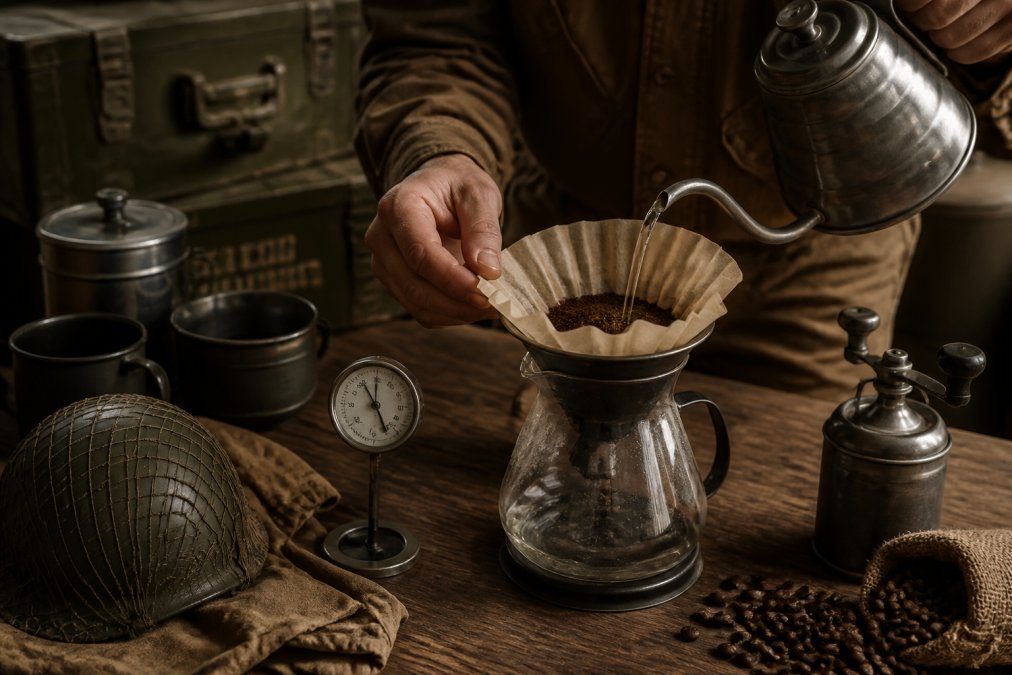
Water temperature control separates good mushroom coffee from great mushroom coffee. If you're using a standard drip machine, check whether it heats water to the optimal range. Many consumer machines run slightly too hot, which can create an unpleasantly bitter taste in mushroom coffee blends.
A simple solution is using a gooseneck kettle with temperature display. Heat water to 200 degrees, then pour it over your grounds. This gives you precise control and consistency. For those without temperature equipment, boil water and let it cool for about 30 seconds before brewing, this approximates the ideal temperature.
Brewing time should match your grind size. Finer grinds extract faster, so reduce brewing time slightly. Coarser grinds need more time to release their flavors. The mushroom extract powder particles are already very fine, so they extract quickly regardless of grind size. What you're really timing is the coffee bean extraction.
Masking Techniques for Enhanced Palatability
Most people find mushroom coffee palatable without any additions. The smooth finish and reduced bitterness mean it drinks cleanly on its own. However, if you're transitioning from heavily flavored or sweetened coffee, a few techniques can ease the adjustment.
Adding a small amount of milk or cream enhances the smooth, creamy quality that the mushroom extract creates. This isn't masking the flavor, it's amplifying the best characteristic of the blend. A splash of whole milk rounds out the profile without overwhelming the coffee's natural taste.
For those preferring sweetness, a touch of honey works better than refined sugar. Honey's complex flavor profile complements the earthy undertones and umami notes rather than fighting them. Start with a small amount and adjust gradually as your palate adapts to the blend.
Some people find that grinding their own beans from whole mushroom coffee produces a fresher, more vibrant flavor profile. The grinding process releases aromatic compounds that pre-ground coffee has already begun losing. If you have access to whole beans, this simple step noticeably improves palatability.
Brewing strength also affects how the flavor registers. A stronger brew, more coffee to water ratio, emphasizes the coffee's natural character and can actually make the mushroom notes recede further into the background. If you find the earthy undertones too prominent, try increasing the coffee amount slightly.
Mushroom Coffee vs. Regular Coffee: Taste Comparison
The taste difference between mushroom coffee and regular coffee is real but subtle. Side-by-side comparison reveals these distinctions clearly.
Regular coffee delivers straightforward flavor: the roast profile dominates, acidity and bitterness are prominent, and the finish can feel sharp or drying. This is what most people expect when they drink coffee. It's familiar, sometimes harsh, sometimes smooth depending on quality and roast level.
Mushroom coffee maintains coffee's core identity while adding refinement. The roast profile still comes through, a dark roast mushroom coffee tastes like dark roast coffee. But the finish is smoother, the bitterness is moderated, and an underlying complexity emerges. That complexity comes from the umami and earthy notes the mushroom extract contributes.
| Characteristic | Regular Coffee | Mushroom Coffee |
|---|---|---|
| Primary flavor | Roast profile dominates | Coffee with supporting depth |
| Bitterness level | Prominent, can be sharp | Moderated, smoother |
| Finish | Can be drying or astringent | Smooth, slightly creamy |
| Aftertaste | Sharp or lingering bitterness | Subtle sweetness with smoothness |
| Energy sensation | Quick spike, potential crash | Sustained, stable alertness |
| Mouthfeel | Varies by roast | Consistently smooth |
The comparison reveals that mushroom coffee isn't a replacement for people who love traditional coffee's bold, straightforward character. It's an enhancement for people who want coffee's energy and ritual but prefer a smoother, more refined drinking experience.
Taste preference ultimately determines which suits you better. If you enjoy the sharp, unapologetic intensity of strong black coffee, regular coffee remains your choice. If you appreciate nuance, smoothness, and sustained energy without the jittery edge, mushroom coffee delivers what you're seeking.
Many people discover they actually prefer mushroom coffee once they try it properly brewed. The initial skepticism about "mushroom taste" disappears immediately upon tasting. What remains is appreciation for a superior drinking experience that supports your daily mission.
The mission to find your ideal coffee blend doesn't require compromise. Mushroom coffee delivers the flavor sophistication and sustained energy that demanding schedules require. Iron Soldiers Coffee Company's Mushroom Coffee - Frontline Focus Blend combines premium specialty coffee with Reishi mushroom extract, engineered for clarity and endurance. Every purchase supports veteran nonprofits, meaning your daily brew strengthens the community of those who've served. Start with our Mushroom Coffee - Frontline Focus Blend (Medium Roast) or Mushroom Coffee - Frontline Focus Blend (Dark Roast) and experience the difference that quality, purpose-driven coffee makes.
Frequently Asked Questions
Q: Does mushroom coffee actually taste like mushrooms?
A: No. Mushroom coffee tastes remarkably similar to traditional coffee, with earthy undertones and a smooth finish rather than any fungal flavor. The extract powder blends seamlessly into the roasted coffee, creating umami depth without the mushroom taste you might expect.
Q: Is mushroom coffee good for energy compared to regular coffee?
A: Mushroom coffee delivers sustained energy without the crash typical of regular coffee. While the caffeine content is comparable, medicinal mushrooms like Reishi add bioactive compounds that support sustained focus and mental clarity. Many find the combination provides steadier energy throughout the day, making it ideal for shift workers and professionals needing consistent performance.
Q: How much caffeine is in mushroom coffee?
A: Mushroom coffee contains caffeine comparable to standard coffee. The caffeine content remains unchanged by the mushroom extract powder, what changes is how your body processes that caffeine, with the adaptogens promoting smoother energy delivery and reduced jitters.
Q: What's the best way to brew mushroom coffee?
A: Brew mushroom coffee using water heated to 195-205°F for 3-4 minutes, same as traditional coffee. Use a standard coffee maker, French press, or pour-over method. The brewing process extracts both the coffee's roasted aroma and the mushroom's bioactive compounds, creating optimal flavor and supplementation benefits.
This article was written using GrandRanker