Does Mushroom Coffee Actually Taste Good?
Table of Contents
- What Is Mushroom Coffee?
- The Flavor Profile: Breaking Down the Taste
- Mushroom Coffee vs Regular Coffee: A Taste Comparison
- Is Mushroom Coffee Good for Energy?
- Caffeine Content in Mushroom Coffee Explained
- Brewing Methods That Maximize Flavor
- Pairing and Sweetener Compatibility
- The Verdict: Is Mushroom Coffee Worth the Mission?
What Is Mushroom Coffee?
Mushroom coffee blends premium specialty coffee beans with medicinal mushroom extracts, primarily Reishi, Lion's Mane, or Cordyceps, delivering sustained energy without the afternoon crash typical of standard coffee. The mushrooms contribute earthy, umami notes that complement the coffee's natural acidity and roasted character.
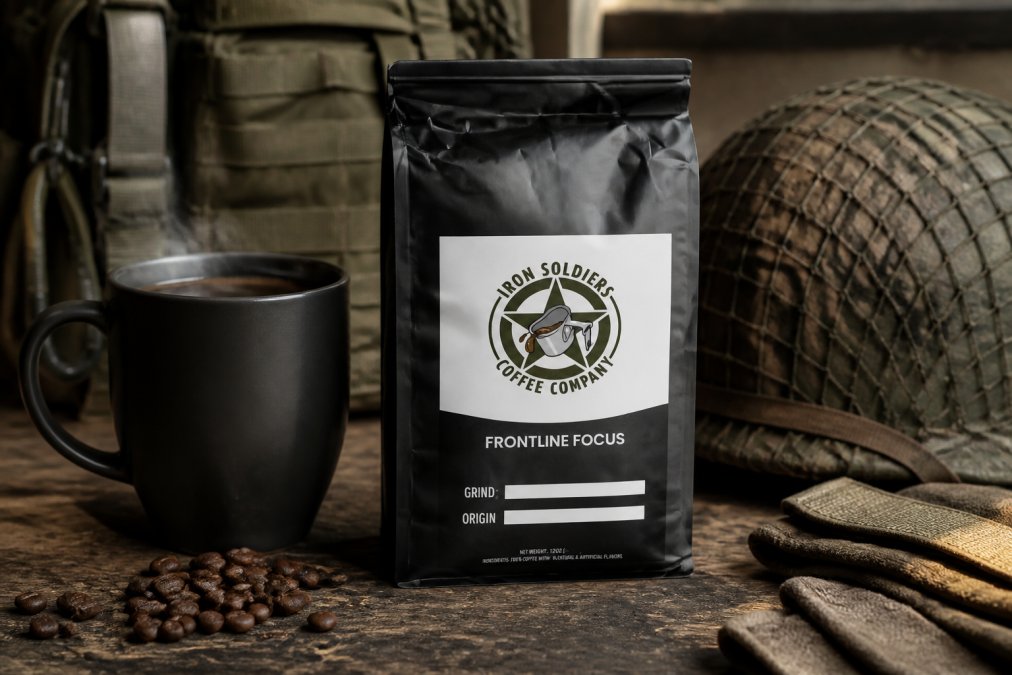
At Iron Soldiers Coffee Company, we've engineered our Mushroom Coffee - Frontline Focus Blend to balance strong coffee flavor with Reishi mushroom's adaptogenic benefits, creating a brew built for endurance and focus. Think of it as coffee with a strategic advantage: the mushroom component works in concert with caffeine to smooth energy peaks and valleys, delivering sustained alertness throughout the day.

The Flavor Profile: Breaking Down the Taste
Mushroom coffee tastes distinctly different from conventional coffee, smoother, with pronounced earthy undertones balanced against the coffee's natural bitterness and acidity.
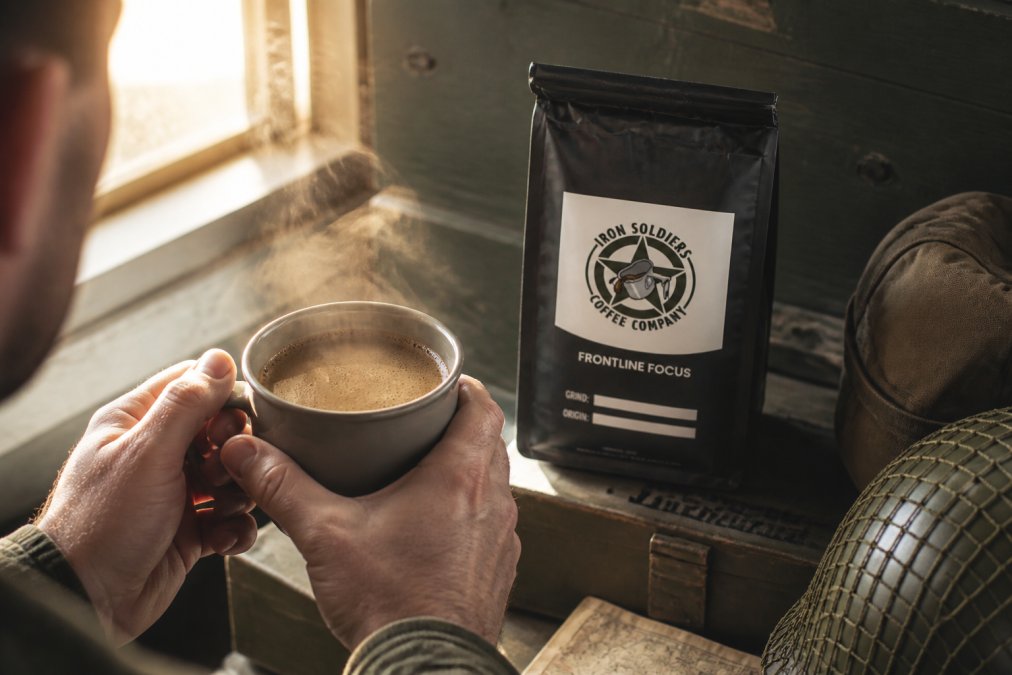
Expect a fuller, more rounded mouthfeel than standard black coffee. The mushroom blend introduces umami notes, a savory, almost meaty depth that lingers on the palate. Rather than the sharp, acidic finish typical of many specialty coffees, mushroom blends deliver a smooth, almost sweet conclusion without lingering bitterness.
When properly roasted and blended, as with our Frontline Focus Blend, the coffee flavor dominates. The mushroom component enhances rather than masks the bean's natural notes, resulting in a bold, aromatic cup that tastes like premium coffee first, with subtle functional benefits layered underneath.
Mushroom Coffee vs Regular Coffee: A Taste Comparison
Regular coffee delivers immediate, pronounced caffeine spikes with bright, acidic flavor and lighter mouthfeel. Mushroom coffee builds energy gradually, with lower caffeine content but synergistic mushroom compounds that extend alertness without the spike. The flavor is smoother and earthier, with noticeably heavier, richer mouthfeel.

The choice isn't about which tastes objectively better, it's about matching your daily mission to the right tool. For sharp, immediate alertness in a critical window, traditional coffee delivers. For sustained focus across an eight-hour shift, mushroom coffee's gradual, stable energy profile performs better.
| Characteristic | Regular Coffee | Mushroom Coffee |
|---|---|---|
| Caffeine Onset | Rapid (15-30 min) | Gradual (30-60 min) |
| Energy Duration | 3-4 hours, then crash | 5-6 hours, stable decline |
| Flavor Profile | Bright, acidic, sharp | Earthy, smooth, umami-forward |
| Mouthfeel | Light, crisp | Full-bodied, rounded |
| Aftertaste | Lingering bitterness | Clean, subtle sweetness |
| Best For | Quick energy boost | Sustained focus and clarity |
Is Mushroom Coffee Good for Energy?
Mushroom coffee delivers energy differently than conventional coffee. The mushroom compounds work synergistically with caffeine to extend alertness without sharp peaks and crashes. Users commonly report sustained focus for longer periods without the afternoon energy collapse that follows traditional coffee, making it particularly effective for professionals managing multiple projects or shift workers facing long hours.
This steadier energy approach can improve decision-making. The jittery feeling from high caffeine intake can impair fine motor control and increase anxiety (peer-reviewed research). Mushroom coffee's gentler delivery maintains alertness while preserving the calm focus needed for complex work.
The trade-off is real: if you need maximum caffeine intensity for a short burst, traditional coffee outperforms mushroom blends. For your daily grind, mushroom coffee excels, it's the difference between sustained tactical advantage and a single powerful strike.
Caffeine Content in Mushroom Coffee Explained
Most mushroom coffee blends contain 75-150 milligrams of caffeine per eight-ounce cup, compared to 95-200 milligrams in standard brewed coffee (peer-reviewed research). This intentional reduction allows mushroom compounds to work more effectively; higher caffeine levels can interfere with adaptogenic benefits.
Less caffeine doesn't mean less energy. The mushroom compounds extend the caffeine's effectiveness, creating longer-lasting energy with fewer dramatic peaks. Your body processes the caffeine more gradually, preventing the sharp rise that triggers inevitable crashes.
Brewing method significantly impacts final caffeine content. Pour-over extraction pulls more caffeine than standard drip; French press steeping time increases extraction. This means you control your final caffeine intake based on preparation method.
For shift workers and professionals requiring sustained alertness, mushroom coffee's lower-but-steadier caffeine delivery often outperforms higher-caffeine alternatives. The stability matters more than the raw number.
Brewing Methods That Maximize Flavor
How you brew mushroom coffee dramatically affects the final cup's taste profile and smoothness. Mastering water temperature, grind size, contact time, and water quality transforms a mediocre cup into an exceptional one.
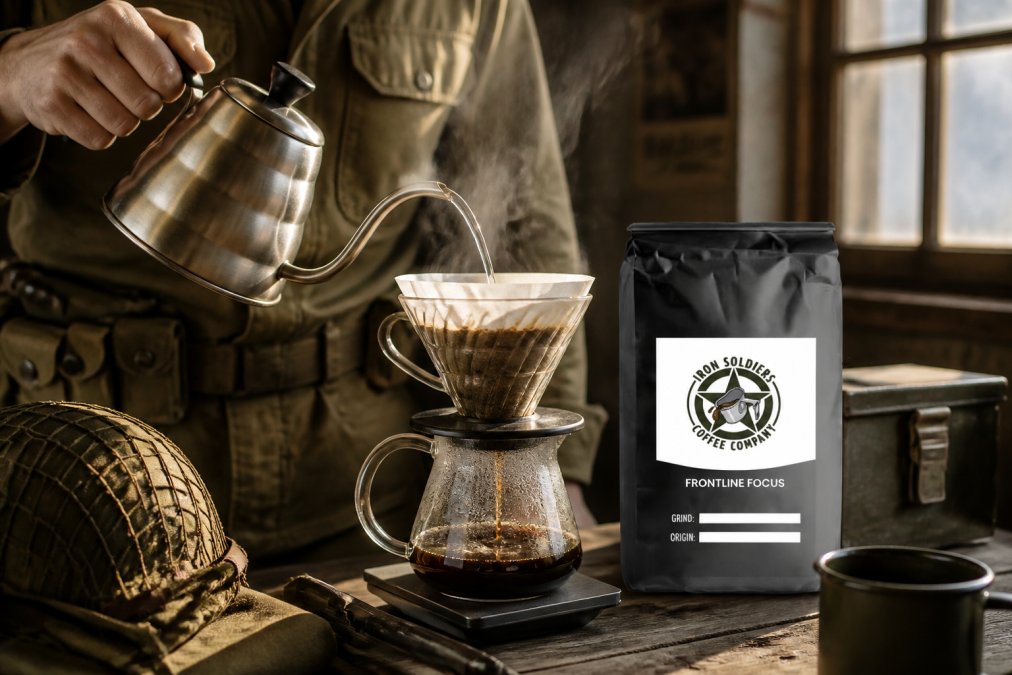
Pour-Over Brewing: Precision and Clarity
Use water heated to 195-205 degrees Fahrenheit and grind beans to medium-fine consistency (peer-reviewed research). Pour in stages over three to four minutes, starting with a brief "bloom" phase to saturate grounds. This method produces a cleaner cup with distinct flavor separation, you taste the coffee's roasted character and the mushroom's umami as complementary layers. The result is a brighter profile that highlights the mushroom's subtle sweetness.
French Press Brewing: Full-Bodied Integration
Use a coarser grind and steep for four to five minutes at 200 degrees Fahrenheit. The extended steeping allows mushroom compounds to fully integrate with coffee oils, creating a richer, more substantial cup. The metal mesh filter leaves fine particles suspended, adding weight and roundness to the mouthfeel. This method emphasizes the smooth, almost creamy character mushroom coffee delivers.
Automatic Drip Machines: Consistency Without Control
Grind slightly finer than for standard coffee to compensate for less precise extraction. Most machines brew at acceptable temperatures (195-205 degrees Fahrenheit) but inconsistently. The lack of mid-brew adjustment often results in a cup where the coffee dominates and the mushroom's contribution becomes muted.
Water Quality: The Overlooked Variable
Filtered water produces noticeably smoother results with cleaner mushroom notes. Hard tap water can muddle the mushroom's earthy character or create slightly metallic edges. Soft or filtered water allows umami notes to emerge clearly and the smooth finish to develop fully.
Grind Size: The Tactical Adjustment
Mushroom coffee requires medium-fine grind rather than coarse. The mushroom compounds extract more slowly than coffee solubles. A coarser grind leaves insufficient surface area for proper extraction; a medium-fine grind increases contact area, allowing proper extraction without over-extracting the coffee itself.
Temperature Precision: The Difference Between Good and Exceptional
The optimal range of 195-205 degrees Fahrenheit is narrow enough to separate competent brewing from exceptional. If using a kettle without temperature control, let boiled water cool for approximately 30 seconds before pouring. This moves you into the optimal extraction window.
The Compound Effect
These variables operate as a system. A medium-fine grind at 200 degrees Fahrenheit over four minutes produces a fundamentally different cup than a coarser grind at 205 degrees over three minutes. Mastering mushroom coffee brewing means understanding how elements interact and adjusting them together rather than tweaking individual variables.
Pairing and Sweetener Compatibility
Mushroom coffee's earthy, umami-forward profile opens different pairing possibilities than standard coffee. The brew pairs exceptionally well with savory breakfast foods, eggs, bacon, smoked meats, where umami notes create flavor harmony. Sweetening and flavoring requires strategy; the wrong additives can neutralize functional benefits, while the right ones amplify the brew's distinctive character.
Sweetener Strategy: Matching Intensity to Flavor Profile
Honey is optimal for mushroom coffee. A light hand, roughly half a teaspoon per eight-ounce cup, preserves earthy notes while adding subtle sweetness that complements rather than competes with umami. Honey's floral undertones harmonize with the mushroom's natural depth. Avoid heavy honey additions; more than one teaspoon per cup begins to mask the mushroom's character.
Sugar works but creates sharper contrast with the mushroom's smoothness. Stevia and artificial sweeteners are problematic; the chemical aftertaste can interact poorly with mushroom compounds, creating unpleasant metallic or bitter finishes. Maple syrup adds depth without harshness, a quarter to half teaspoon introduces subtle sweetness while the syrup's complex notes complement the mushroom's earthiness.
Creamer and Milk: Fat Content and Mouthfeel
Heavy cream works beautifully with mushroom coffee. A splash (roughly one tablespoon per cup) transforms the brew without overwhelming it, amplifying the full-bodied mouthfeel and enhancing umami notes. This pairing is ideal for shift workers seeking sustained energy; the fat slows caffeine absorption slightly, extending the stable energy profile.
Whole milk creates a similar but less pronounced effect. Oat milk complements mushroom coffee's earthiness, with grain-based creaminess harmonizing with the mushroom's natural character. Avoid skim milk or non-fat creamers; these add liquid without body, diminishing the mushroom coffee's full-bodied character.
Spice Additions: Enhancement Without Masking
Cinnamon enhances rather than masks mushroom coffee's natural profile. A pinch of ground cinnamon adds warmth and subtle sweetness that complements earthy notes. Cardamom introduces complexity without overwhelming; a few crushed seeds steeped in the hot brew add floral, slightly sweet notes. Black pepper, paradoxically, works well in small amounts, a single pinch adds subtle bite that highlights the mushroom's umami depth.
Avoid vanilla creamer or flavored syrups; these aggressive additions neutralize the mushroom coffee's distinctive character.
Food Pairing: Complementary Breakfast Combinations
Mushroom coffee's umami profile makes it exceptional with savory breakfast foods. Eggs, particularly scrambled or poached, create flavor harmony; the umami in both reinforces each other. Bacon or smoked sausage pairs exceptionally well; smoke and salt complement the mushroom's earthiness.
Avoid pairing mushroom coffee with acidic foods immediately before or after. If consuming acidic foods, wait 15-20 minutes before or after your mushroom coffee. Sweet pastries work if not aggressively flavored; a plain croissant complements the brew without competing.
The Minimalist Approach: Black or Nearly Black
For shift workers and professionals managing demanding schedules, the best pairing strategy is simple: black or with minimal additions. This preserves the sustained energy profile and allows the mushroom coffee's full functional benefit to work without interference. A single splash of heavy cream is acceptable; anything beyond dilutes the functional advantage.
The Verdict: Is Mushroom Coffee Worth the Mission?
Mushroom coffee tastes good if you appreciate earthy, umami-forward flavors and value sustained energy over caffeine intensity. The brew delivers a smooth, full-bodied cup that tastes like premium coffee first, with functional benefits layered underneath.
The taste experience depends entirely on your preferences and objectives. If you seek the sharpest possible caffeine hit and enjoy bright, acidic notes, standard coffee remains superior. If you value sustained focus, smoother energy delivery, and fuller mouthfeel, mushroom coffee can be a strong choice.
The practical advantage emerges across extended work periods. Professionals and shift workers often report that mushroom coffee's stable energy profile can improve productivity and decision-making compared to crash-prone energy from traditional coffee.
At Iron Soldiers Coffee Company, our Mushroom Coffee - Frontline Focus Blend pairs premium specialty beans with Reishi mushroom compounds to deliver exactly this profile. The dark roast emphasizes the coffee's natural boldness while Reishi adds smooth, sustained energy without jitters. Each bag represents a commitment to quality and mission.
The question isn't whether mushroom coffee tastes good in absolute terms. The question is whether it serves your mission better than alternatives. For sustained focus, smooth energy, and distinctive flavor experience, the answer is a resounding yes.
Your daily coffee ritual can support more than just alertness. When you choose Iron Soldiers Coffee Company's Mushroom Coffee - Frontline Focus Blend, you're selecting a brew engineered for endurance while contributing directly to veteran support. Experience the difference premium specialty coffee paired with functional mushroom compounds delivers, smooth, sustained energy that keeps your focus sharp across demanding schedules. Join a community of professionals, shift workers, and history enthusiasts who demand better from their coffee. Shop All Coffee and discover why the Frontline Focus Blend has become the choice for those who refuse to compromise on quality or mission.
Frequently Asked Questions
Q: Does mushroom coffee taste like regular coffee?
A: Mushroom coffee delivers a similar caffeine kick but with a noticeably different flavor profile. The earthy, umami notes from medicinal mushrooms create a smoother, less acidic taste than standard dark roast. Most drinkers find the blend tastes like coffee with subtle earthy undertones rather than a mushroom-forward beverage. The roast level matters, a dark roast mushroom coffee will taste bolder and closer to traditional coffee than a medium roast.
Q: Is mushroom coffee good for energy compared to regular coffee?
A: Mushroom coffee contains comparable caffeine content to regular coffee but delivers sustained energy without the crash. The addition of adaptogenic mushrooms like Reishi works alongside caffeine to provide steady focus and alertness throughout your shift. Many users report sharper mental clarity and fewer jitters, making it effective for demanding workdays. The functional benefit comes from the synergy between caffeine and mushroom compounds, not from higher stimulant levels.
Q: What is the caffeine content in mushroom coffee?
A: Most mushroom coffee blends contain 60-90 mg of caffeine per 8-ounce cup, comparable to standard brewed coffee. The exact caffeine content depends on the roast level and brewing method. Dark roasts typically contain slightly less caffeine than light roasts due to the roasting process, but the difference is minimal. Mushroom coffee is not caffeine-free, it's designed to deliver the same stimulant effect as regular coffee while adding functional benefits from the mushroom blend.
Q: Will mushroom coffee taste weird if I've never tried it before?
A: First-time drinkers often notice the earthy, umami quality immediately, but most find it pleasant rather than off-putting. The taste is smoother and less acidic than typical coffee, with a subtle bitterness balanced by the mushroom's natural sweetness. If you prefer bold, acidic coffee, a medium or dark roast mushroom blend will feel more familiar than a light roast. The best approach is to start with a quality blend and adjust your brewing method to suit your palate.
This article was written using GrandRanker