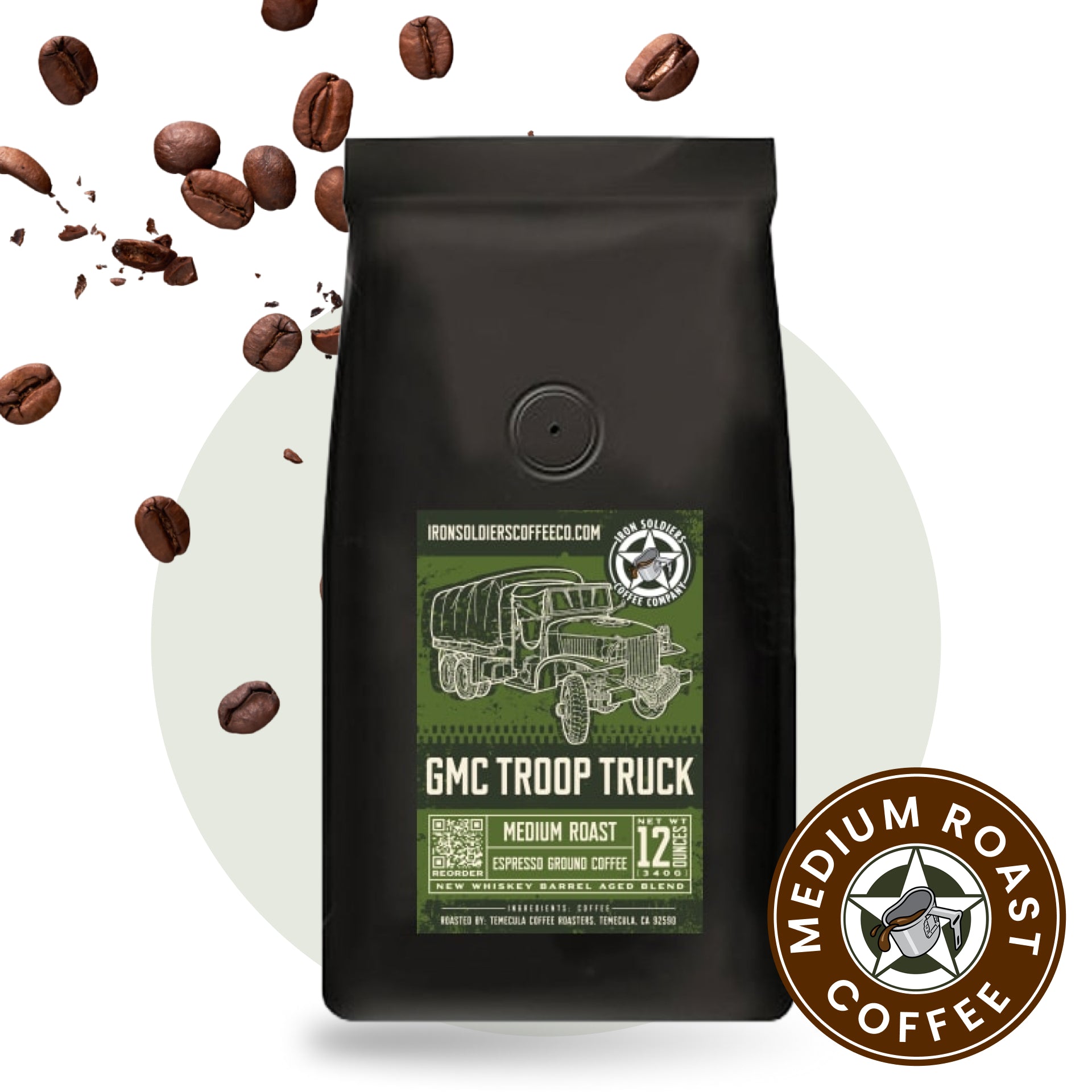
Best BBQ Rub for Espresso Crusted Steaks: Field-Tested Picks
Quick Summary
The best BBQ rub for espresso crusted steaks is one that leads with coffee and salt rather than sugar, because sugar can scorch on a hot sear. Espresso-based rubs brown deeply, cut through beef fat with a bitter edge, and form a firm crust. For a quick home version, combine espresso powder, kosher salt, coarse black pepper and garlic powder.
- Pick a rub with coffee or salt as the first or second ingredient, not sugar.
- Sugar-first rubs can carbonize and turn acrid before the steak's center is cooked.
- Pat the steak dry and press the rub in, then rest it 30 to 45 minutes before grilling.
- Pull the steak about 5 degrees below target and rest it 5 to 10 minutes before slicing.
- Keep the grill below 500°F, since hotter heat can char the coffee before the center cooks.
Want a bolder steak crust?Iron Soldiers GI Ration Espresso Extraction seasoning, $13.99 for 12 oz.
Shop Espresso Extraction Rub
Table of Contents
- Why an Espresso Rub Works on Steak
- How Espresso Rub Differs From Store-Bought BBQ Rubs
- Espresso Rub Recipe: Ingredients, Proportions and Mixing
- Field Test: Iron Soldiers GI Ration Rubs Compared
- Choosing the Best Coffee Rub for Steak: Selection Criteria
- Applying the Rub for a Perfect Crust on Coffee-Rubbed Steak
- Coffee Steak Rub Recipe and Grill Doneness Guide
- Order Your Rub and Start Your Next Cook
- Frequently Asked Questions
Best BBQ Rub for Espresso Crusted Steaks: Field-Tested Picks
Last Updated: November 24, 2026
Why an Espresso Rub Works on Steak
Espresso and beef share a natural affinity. The roasted, bitter edge of coffee cuts through the richness of fat, which is why a well-built espresso crusted steak tastes so layered. At Iron Soldiers Coffee Company, we treat the espresso rub as a field ration: simple to deploy.
The crust does most of the work. Coffee grounds and fine spices form a dark, bitter shell that caramelizes during a hard sear. Salt pulls moisture to the surface, and the sugars and oils in the spice blend brown quickly, building a crust that holds the juices inside the steak.
How Espresso Rub Differs From Store-Bought BBQ Rubs
Most store-bought BBQ rubs are built for low-and-slow pork and poultry: brown sugar or dextrose first, paprika and chili for color, then salt and garlic. That profile works on ribs, but it is a liability on a steak headed for a hard sear. Sugar begins to carbonize well before a ribeye's surface reaches the 300-350°F range where Maillard browning accelerates, so a sweet rub can turn acrid and black while the center is still raw. An espresso rub swaps that sugar load for roasted coffee, which browns deeply without the same scorch risk and adds a bitter counterpoint that cuts through beef fat.
The difference is not just flavor, it is formulation. Read the label in that order and you can predict how each will behave on a hot grill before you ever open the jar.
Evaluation criteria for any espresso or coffee rub:
- Espresso intensity: Is coffee the first or second ingredient, or a token mention near the bottom? Front-loaded coffee signals a rub built for steak, not a generic all-purpose blend with a coffee label.
- Salt level: Salt should be present but not dominant. A rub that reads as mostly salt will pull moisture and overpower the beef; a balanced blend lets you season generously without oversalting.
- Sugar and fillers: Check for brown sugar, dextrose, maltodextrin, or silicon dioxide. Some sugar aids crust color, but a sugar-first blend is a scorch risk on high heat. Fillers add volume, not flavor.
- Grind and adhesion: A fine-to-medium grind presses into the meat and forms a tighter crust. Coarse grounds add texture but can flake off during the flip.
- Ingredient transparency: A short, recognizable list usually means the coffee and spices are doing the work. Long lists with anti-caking agents and flavorings are harder to evaluate.
Espresso rub vs. conventional BBQ rub at a glance:
| Factor | Espresso rub | Conventional store-bought BBQ rub |
|---|---|---|
| Lead ingredient | Coffee, salt | Sugar, paprika |
| Heat behavior | Browns deeply, lower scorch risk | Sugar can carbonize and turn acrid |
| Flavor profile | Bitter, savory, roasted | Sweet, smoky, mild heat |
| Best cuts | Ribeye, strip, hanger | Ribs, pork shoulder, chicken |
| Label watch-outs | Coffee position, added sugar | Sugar-first, fillers, anti-caking agents |
For readers with dietary considerations, the label matters as much as the flavor.
Espresso Rub Recipe: Ingredients, Proportions and Mixing
Mix the dry ingredients in a bowl and break up any clumps. Browse the Iron Soldiers GI Ration Espresso Extraction rub if you'd rather skip the mixing. Store the blend in a sealed container away from heat and light. Espresso powder dissolves more easily into the rub than coarse ground coffee, but either will work. Use a finer grind if you want a smoother crust and a coarser grind for more texture.
Field Test: Iron Soldiers GI Ration Rubs Compared
| Rub | Price | Best For | Key Ingredients |
|---|---|---|---|
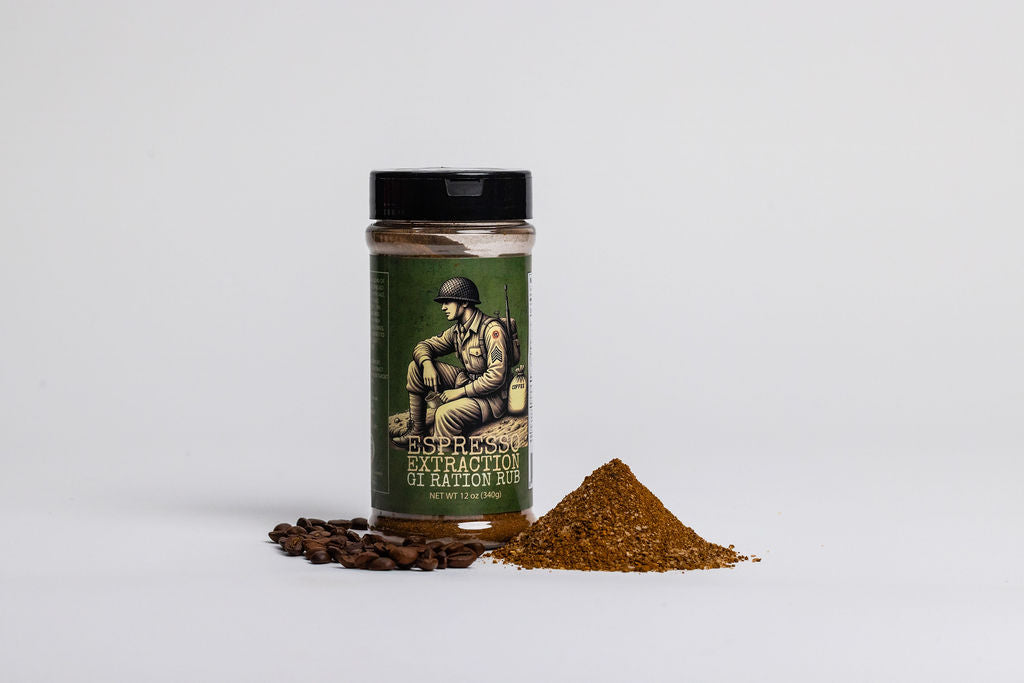
| GI Ration Espresso Extraction | $13.99 | Overall coverage | Sea salt, coffee, black pepper, garlic |
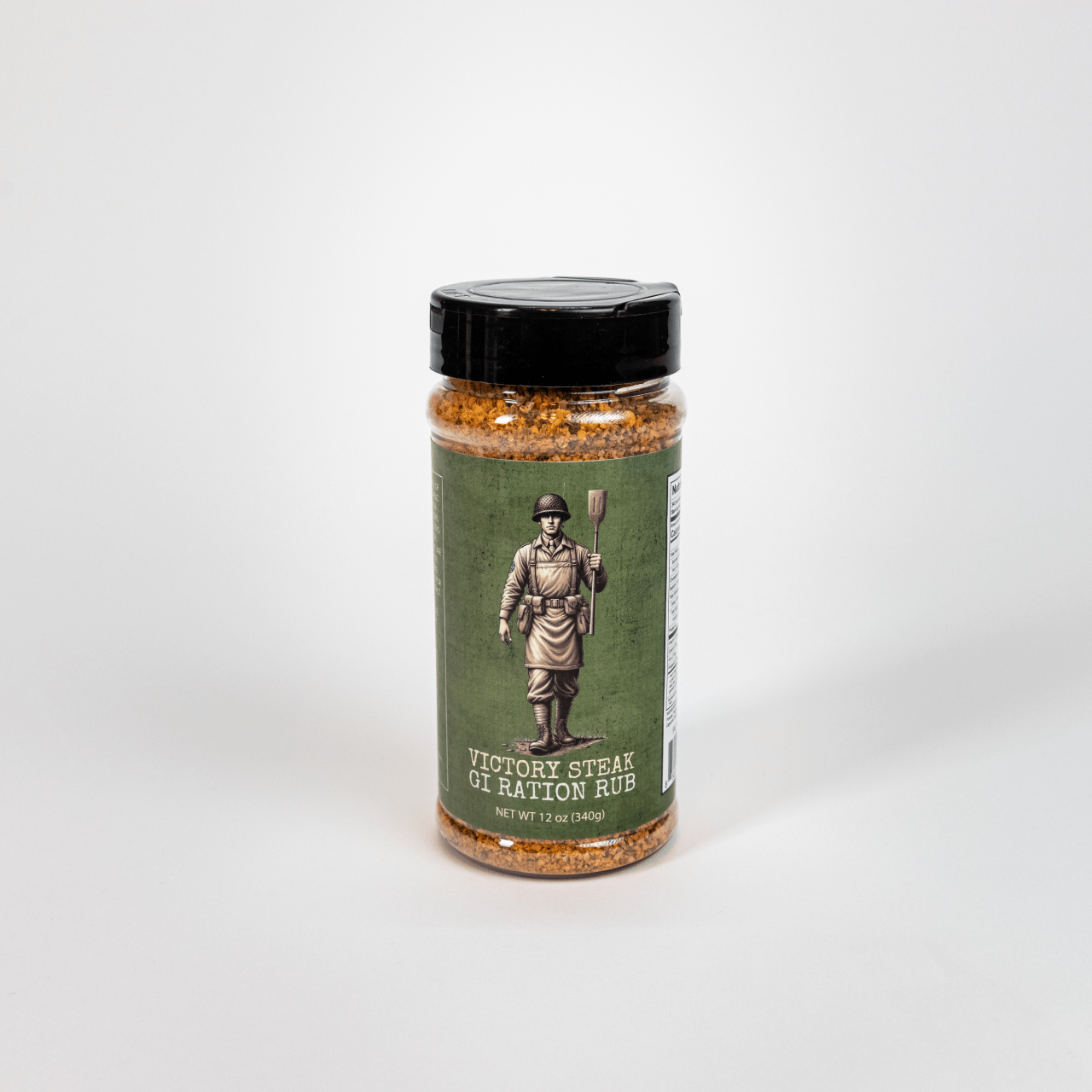
| GI Ration Victory Steak | $13.99 | High-heat searing | Salt, black pepper, garlic, paprika, cumin, cayenne |
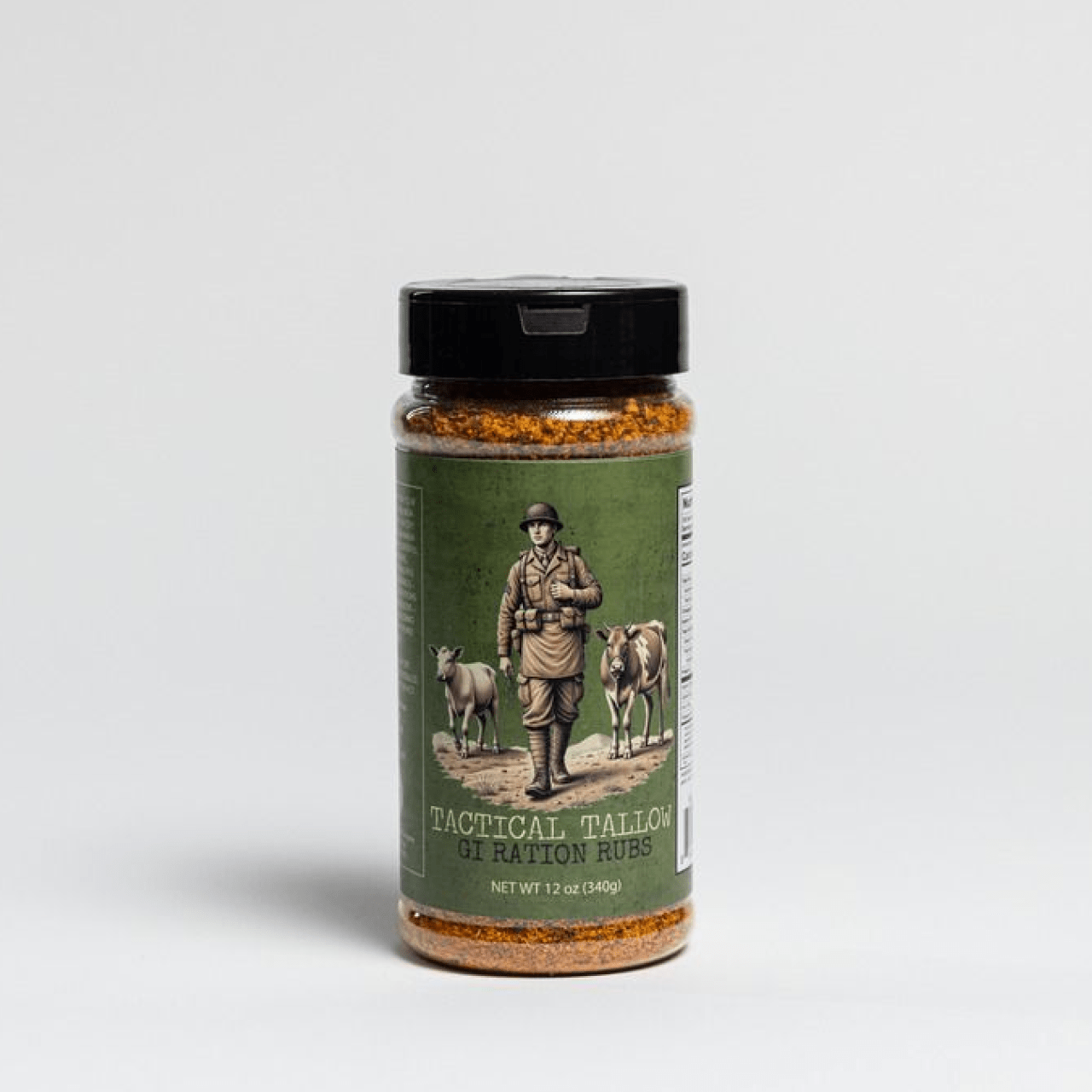
| GI Ration Tactical Tallow | $13.99 | Bold beef flavor | Salt, black pepper, paprika, garlic, chile pepper |
Pros and cons at a glance:
- Espresso Extraction: Strong coffee character, broad use on any grilled meat. Less aggressive heat than a chili-forward blend.
- Victory Steak: Built for high heat, with a clean salt-pepper-garlic base. Lighter on coffee flavor than the espresso option.
- Tactical Tallow: Savory and bold, with chile heat. Can overpower delicate cuts.
Espresso Extraction: Best Overall Coverage
This is a strong choice for an espresso crusted steak. The coffee and the salt, pepper and garlic combine in the blend. It is a true all-purpose blend, so it also works on burgers and chicken when you need it.
Victory Steak: Best for High-Heat Searing
If your grill runs hot and you want a dependable crust, Victory Steak holds up well. Its paprika and cumin add color without sugar, so it avoids the scorching problem common in sweeter rubs.
Tactical Tallow: Best for Bold Beef Flavor
Tactical Tallow is a beef-focused rub with chile pepper. Its ingredients include salt, black pepper, paprika, garlic, onion, chile pepper and spices.
Choosing the Best Coffee Rub for Steak: Selection Criteria
Check the label for the coffee and salt content, and review the ingredient list before you buy.
Applying the Rub for a Perfect Crust on Coffee-Rubbed Steak
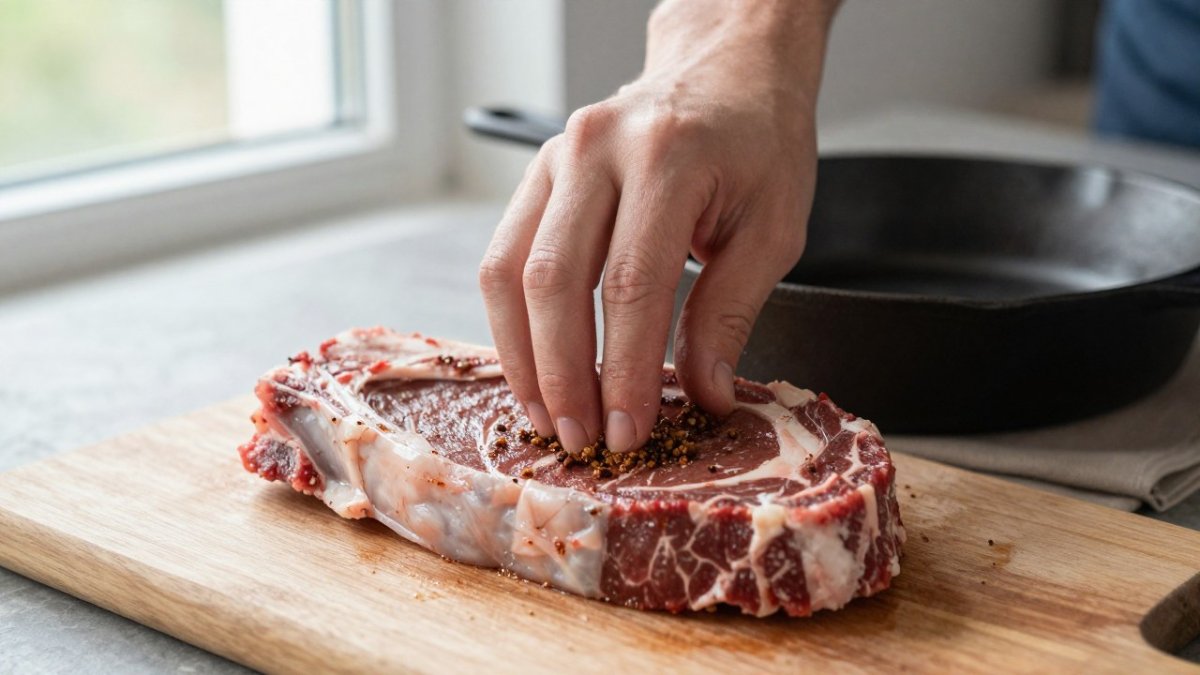
Pat the steak dry first. Moisture on the surface prevents browning. Season generously on all sides, then press the rub into the meat with your palm so it adheres. Let the steak rest at room temperature for 30 to 45 minutes before it hits the grill.
Coffee Steak Rub Recipe and Grill Doneness Guide
A quick home version of the field recipe: combine 2 tablespoons espresso powder, 2 tablespoons kosher salt, 1 tablespoon coarse black pepper, 1 tablespoon garlic powder, and a pinch of cayenne. Mix until uniform and break up any clumps. Apply it as described above, pressing the rub into a dry steak and letting it sit at room temperature for 30 to 45 minutes before the grill.
Grill setup and searing method:
-
Two-zone fire: Build a hot zone for searing and a cooler zone for finishing. Sear over the hot zone until a dark crust forms, then move the steak to the cooler zone to reach target temperature without burning the coffee.
-
Pan-sear alternative: A cast-iron skillet over medium-high heat works when the grill is unavailable. Preheat the pan until a drop of water beads and skates, then sear 2-3 minutes per side for a 1-inch steak, finishing in a 400°F oven if needed.
-
Flip discipline: Flip once, not repeatedly. A single flip gives the crust time to set and release from the grate.
Doneness guide (pull temperature and rest):
| Target doneness | Pull temp | Final temp after rest |
|---|---|---|
| Rare | 120-125°F | 125-130°F |
| Medium-rare | 130-135°F | 135-140°F |
| Medium | 140-145°F | 145-150°F |
| Medium-well | 150-155°F | 155-160°F |
| Well done | 160°F+ | 165°F+ |
Pull the steak about 5 degrees below your target internal temperature and rest it for 5 to 10 minutes so carryover cooking finishes the job and the juices settle before slicing. Slice against the grain to keep the crust intact on each piece.
Watch out: a grill running hotter than 500°F can char the coffee rub before the center is cooked. If the crust darkens too fast, move the steak to the cooler zone immediately and finish by indirect heat.
Troubleshooting the crust:
- Bitter or acrid crust: Heat too high or too much residual sugar in the rub. Drop the sear zone temperature and check the label for sugar content.
- Gritty texture: Coarse coffee grounds can feel sandy on the palate. Use espresso powder or a finer grind for a smoother crust.
- Rub flaking off: The steak was too wet or the rub was applied too thinly. Pat dry and press firmly.
- Pale crust: The grill was not hot enough or the steak was crowded. Sear in batches and give each steak room.
Order Your Rub and Start Your Next Cook
Our Espresso Extraction rub is available for your next cook. Shop All Coffee at Iron Soldiers Coffee Company, and join a mission that supports veterans and their families with $1 from every bag sold.
Frequently Asked Questions
What is the best BBQ rub for espresso-crusted steaks?
For a straightforward espresso crust, the Iron Soldiers GI Ration Rub - Espresso Extraction is a good choice. It blends fresh roasted espresso beans with sea salt, black pepper and garlic, so the coffee flavor comes through without extra seasoning work. Priced at $13.99 for a 12 oz. (340g) container, it suits steaks that need a bold, coffee-forward crust. Choose Victory Steak instead if you want a salt-pepper-garlic base that holds up at high grill temperatures.
How do you make an espresso rub for steak?
Combine finely ground espresso or espresso powder with kosher salt, coarse black pepper, garlic powder and a touch of paprika or brown sugar for color. Use roughly one tablespoon of espresso to each tablespoon of salt as a starting ratio, then adjust to taste. Mix thoroughly so no clumps remain. If you want a ready-made option instead, the Iron Soldiers Espresso Extraction rub already contains espresso, salt, pepper and garlic.
Can you use ground coffee in a steak rub?
Ground coffee can work, but espresso powder or a fine espresso grind gives a more even crust and less grit. Coarse drip grounds can scorch and leave a harsh, bitter edge on the meat. If you do use regular grounds, grind them finer, toast them briefly in a dry pan, and keep the proportion low so the coffee supports the seasoning rather than overpowering it.
Does coffee rub make steak taste bitter?
It can, when the coffee is over-applied, burned during searing or ground too coarsely. Balance bitterness with salt and a little sweetness, and avoid leaving the rub on a thin cut for a long time. Sear over high heat for a short period and pull the steak once it reaches your target doneness. A well-balanced espresso rub should taste roasted and savory, not sharp.

Related post
24
Nov